Back in stock
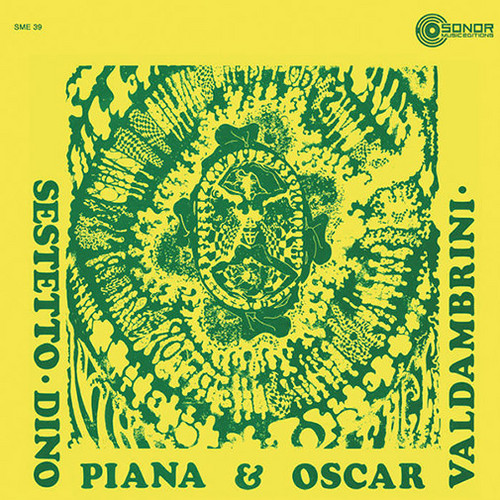
10 Situazioni
Historical Italian Jazz session originally released on legendary vinyl LP from 1973. Outstanding and magnificent Jazz Funk jewel and first album ever by this killer combo led by Dino Piana & Oscar Valdambrini. An original Jazz Library recording used for the soundtrack of Rai TV programme "Serata al Gatto Nero", 1973. Top Italian groovy Jazz and mental album, easily a grail of the genre featuring some terrific breaks, killer Wah Wah guitar and Funky Hammond job, with a solid backing studi…
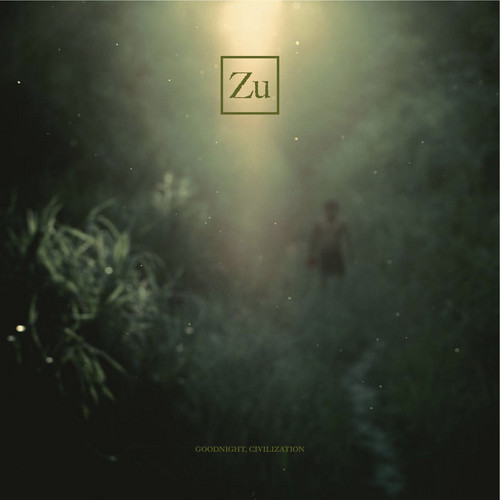
Goodnight, Civilization
finally ZU are back, with an amazing new line-up. Full album to follow in summer.
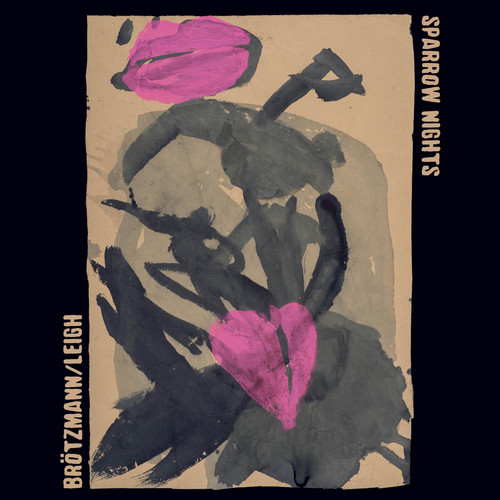
Sparrow Nights
Comes in a heavy, '60s style tip-on cover. Sparrow Nights is the first studio album from the furious duo of pedal steel player Heather Leigh and saxophone legend Peter Brötzmann. Their collaboration has quickly gained a well-earned reputation for their cutting-edge music and frenetic but sensuous playing. Recorded and mastered in Vienna by Martin Siewert. Features artwork by Brötzmann; LP version comes in a heavy, '60s style tip-on cover."There is complexity in simplicity, and Sparrow Nights is …
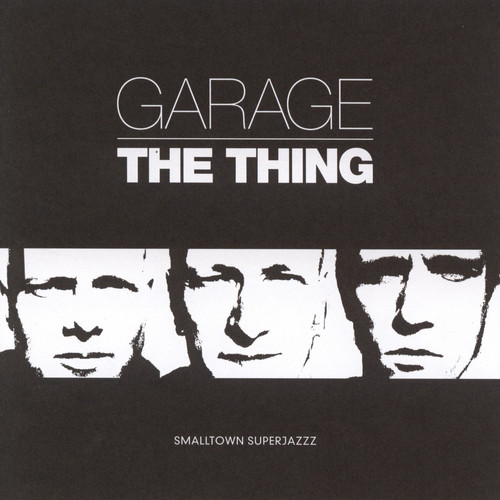
Garage
Garage is Scandinavian free jazz trio The Thing's acclaimed third album, originally released in 2004 by the Norwegian label Smalltown Superjazzz. In the wake of this album's original release, which was heralded by media outlets ranging from the BBC to Uncut to The Observer, the trio played a sold-out show in London with Four Tet and Prefuse 73 and embarked on European and American tours. Their performance at Oslo's Øya Festival with Sonic Youth's Thurston Moore as a guest guitarist was particula…
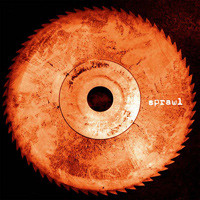
Sprawl
Trost presents the first vinyl edition of Sprawl, the intense and beautifully harsh collaborative project of drummer Michael Wertmüller (16-17, Alboth!, Full Blast), originally released on CD in 1997. Remastered and re-cut by Wertmüller and Alex Buess. The original release of this work marked the beginning of Trost's cooperation with Peter Brötzmann, after they organized an Alboth! show with Wertmüller. Wertmüller's intention for Sprawl was to gather the musicians he appreciates most and has wor…
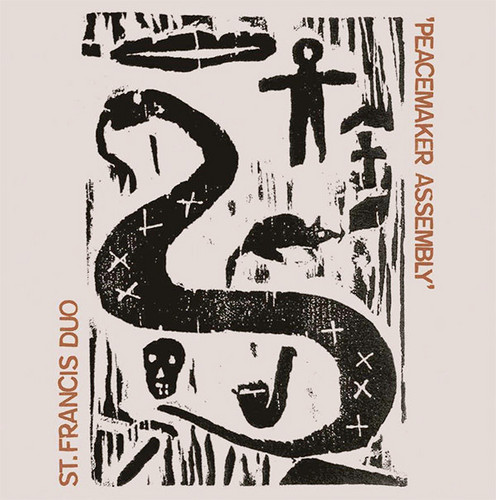
Peacemaker Assembly
LP version. Steve Noble: drums and percussion. Stephen O'Malley: guitars and amplifiers. Stephen O'Malley (cult-guitarist of SUNN O))), KTL) teams up with one of the leading UK drummers of the avant-garde scene, Steve Noble, to build hypnotic sound-sculptures and drones.
Whilst others still plough stylistically dead fields, these two are forging something vital and coolly life-affirming in Peacemaker Assembly, with Noble’s dextrous, diffused percussions picking out a pointillist cosmos of unq…
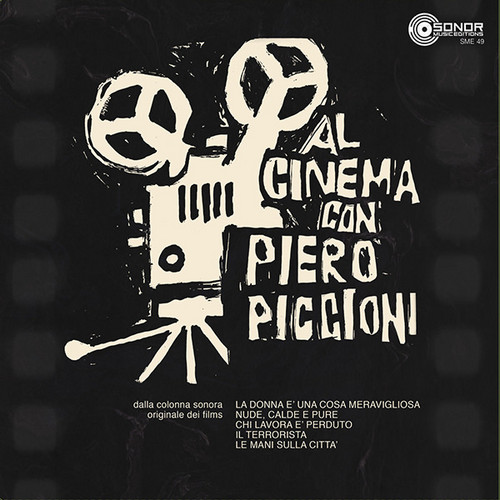
Al Cinema Con Piero Piccioni
**300 copies only** to present the reissue of the legendary session "Al Cinema con Piero Piccioni", originally composed of 2 volumes and released on the famed RCA SP series in 1968 - compiled with a curated selection of the best tracks and presented with renewed striking artwork. 2 absolutely cult and impossible to find albums of Italian discography released in a unique LP strictly limited to 300 copies, carefully remastered by from the original RCA master tapes, with heavy cardboard sleeve like…
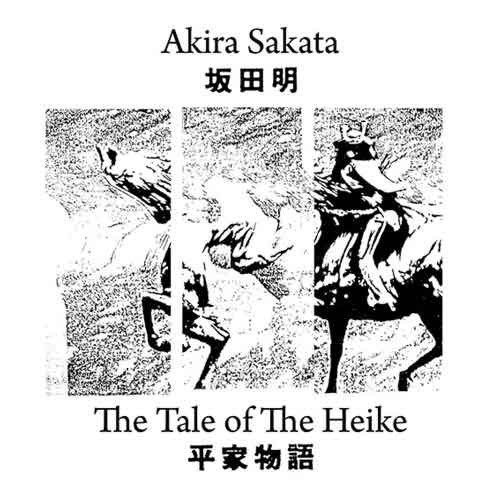
The Tale Of The Heike
Akira Sakata, a legendary Japanese jazz musician active since the early '70s (Yosuke Yamashita Trio,Akira Sakata Trio) and a marine biologist, has toured and recorded with The Thing, Jim O'Rourke, Bill Laswell, Merzbow, Chikamorachi, et al. The Tale of the Heike is an intense solo performance originally released on CD in 2011, and now available on vinyl for the first time. This edition is expanded to include four pieces from the 2013 DVD release of a live ensemble performance of the piece. Akira…
UST 7011 - Popfolkmusic
In stock. Originally released on Fonit Cetra Hi-Fi International series in 1973, this mega-rare Italian Library still unknown in the record collectors circle features some of the most insane grooves made in Italy. Outstanding, spaced-out Breakbeats with the best uptempo, Hip Hop beats and B-boy Funk tunes you could ever desire, alternated by Easy Listening scores and happy Synthesizer themes. This killer prolific duo (Brugnolini-Carnini) have pulled out in the early 70s some of the most insane t…
Fisherman's.com
Trost have unearthed another gem from the Japanese jazz maestro Akira Sakata, together with Bill Laswell, Hamid Drake, and Pete Cosey. Fisherman's.com was released originally on CD, Japan-only, by Starlets Records in 2001. This release marks its first time on vinyl and available worldwide. Fisherman's.com is Sakata's ode to folksongs of the sea -- an intense personal statement on the fluidity of tradition. Personnel: Akira Sakata - alto saxophone, vocals, synth; Bill Laswell - bass, synth; Hamid…
Before the Code
Improviser, composer, and saxophonist extraordinaire Ken Vandermark's group Made to Break return with a new bassist and more energy than ever before. Made to Break's live performances continue to amaze audiences all over Europe and North America. On Before the Code, the quartet's improvisation reaches unprecedented flexibility and immediacy, solidifying Made to Break's status as a truly unique act in the world of free jazz. Ken Vandermark: reeds; Christof Kurzmann: electronics [lloopp]; Jasper S…
Trebuchet
LP version. The new album combines again the trademarks of Made To Break: the soulful and grooving play of Ken Vandermark (one of the key musicians/composers in the current free jazz scene) on reeds with the filigran electronic distortions and loops of Christof Kurzmann, with a solid rhythm layer by the young Dutch bassist lloopp Jasper Stadhouders and drummer Tim Daisy. An unusual "jazz" record, fascinating so much the more. Personnel: Ken Vandermark - reeds; Christof Kurzmann - electronics; ll…
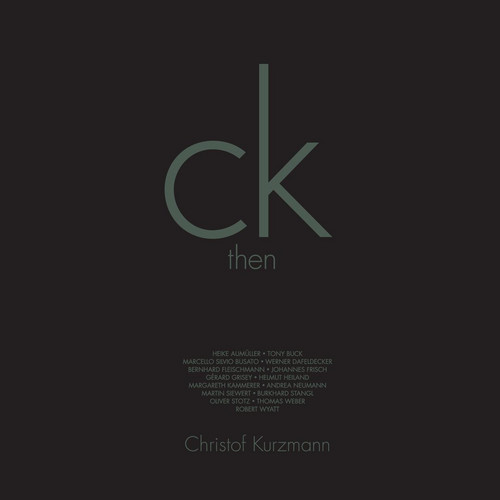
Then & Now
Christof Kurzmann, Austrian musician and composer, curator, label-founder (Charhizma), co-founder of the legendary Viennese bar for electronic music (Rhiz) with many releases/bands/projects over the years, turns 50. A perfect time for a big multi-variant collection of his unreleased work: solos, duos, special collaborations, groups, for instance with B. Fleischmann, Ken Vandermark, Robert Wyatt, Mats Gustafsson, Tony Buck and many more. From electronica to avant-garde and improvisation to p…
III
Kodian Trio's third studio album -- apply titled III -- and their second for Trost Records, was recorded in one intense live session at the White Noise studio in The Netherlands during a day-off on a European tour. The shared experiences of the road, studio, and travel evinces a group sound which is constantly shifting, solidifying, and disappearing completely -- true to the essence of free improvisation. On this album the trio shows the core strength as a unit gained from their live experiences…
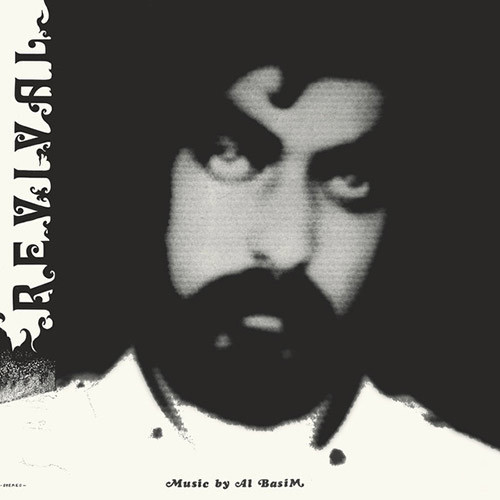
Revival
This is a big one. Privately issued in 1979, Al Basim’s sole LP Revival, is one of the most sought after artifacts released at the end of the psychedelic era. Original copies are impossibly rare, and command astonishing prices. Recorded shortly after Al Basim immigrated to the United States from Iraq, the album is a stunning blend of jazz, prog, new age, and the sounds and structures of the Middle East - an image of a broader musical culture which existed in the region before political realities…
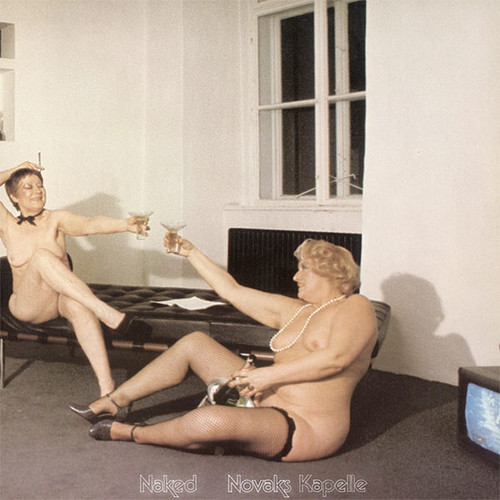
Naked
One of the wildest Austrian bands in the late 60s and 70s, with their own mix of progrock, hardrock, art, porno and extreme live-shows. Now after more than 30 years a one time repress of 750. Erwin Novak - drums, Walla Mauritz - vocals, Peter Travnicek - bass, Paul Braunsteiner - guitar Recorded 1977 at Musicland Studios, Munich.
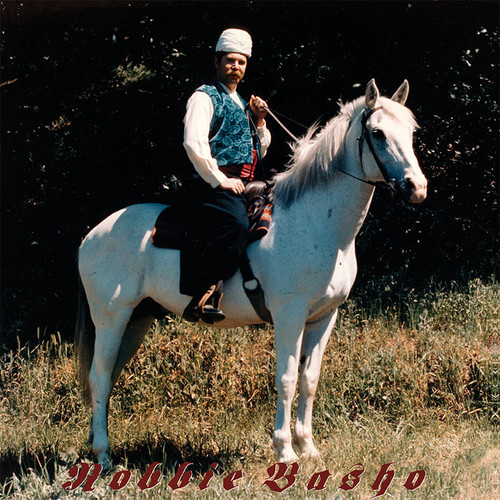
Land of Our Fathers: Rarities 1967-1983
Land Of Our Fathers' is a stunningly beautiful compilation of never-before-released and hard-to-find recordings by America's great guitar mystic Robbie Basho. Spanning 16 years, this is 42 minutes of essential and extremely rare music from throughout Basho's multifaceted career. 'Land Of Our Fathers' provides further illumination of Basho's mysterious and incomparably poetic soul.
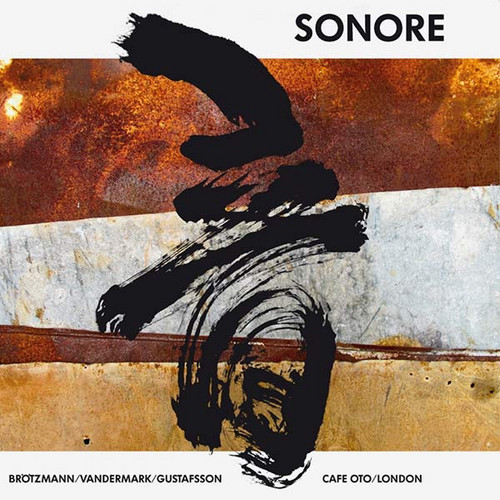
Cafe Oto/London
Great work from this heavy heavy trio – a group that features the talents of probably the three greatest living avant saxophonists in the world – Peter Brotzmann on tenor, alto, clarinet, and tarogato, Ken Vandermark on tenor and clarinet, and Mats Gustafsson on baritone sax! The trio have worked together countless times over the past two decades – and together have an affinity that not only results in some of the most amazingly adventurous improvisation you'll ever hear from a reed playe…
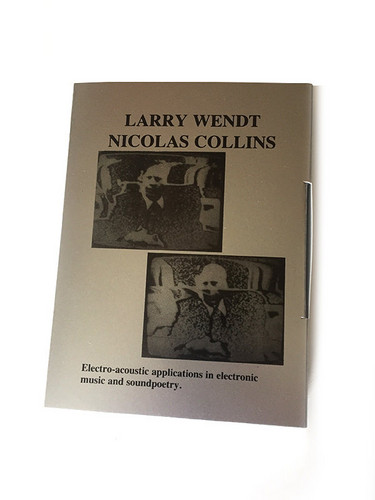
Slowscan Vol. 3: Electroacoustic Applications in Electronic Mus
Original copies, few in stock, long out of print. Larry Wendt is an extraordinary but very little known pioneer of live computer electronics and text-sound, while Nicolas Collins is here with the legendary 'Devil Music'. Devil’s Music is a performance piece about global media, local culture and individual interference. It developed in 1985 out of the confluence of Collin's fascination with early Hip Hop DJs, a Cagean love of the splendor of radio, the introduction of the first affordable, portab…
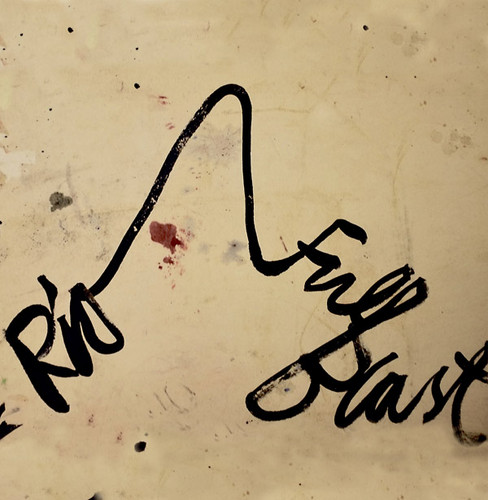
Rio
Rio is a limited live release by Peter Brötzmann's Full Blast. This is power free jazz in trio format, recorded at Audio Rebel, Rio de Janeiro, Brazil 2016. With all the projects Brötzmann is currently working on, Full Blast - with the precise and dynamic Swiss rhythm section of Marino Pliakas (electric bass) and Michael Wertmüller (drums) is the most consistent, the longest running. Mixed and mastered by Martin Siewert in Vienna. Artwork by Peter Brötzmann.