Organ
All records with organ · Solo organ only
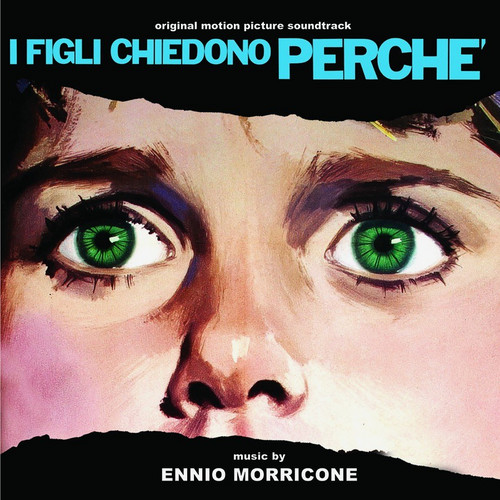
I Figli Chiedono Perché
Morricone's 1972 score for Nino Zanchin's film, from the original mono masters: a love theme sung by Edda Dell'Orso and psychedelic harp pieces with echo, back on CD after twenty years.
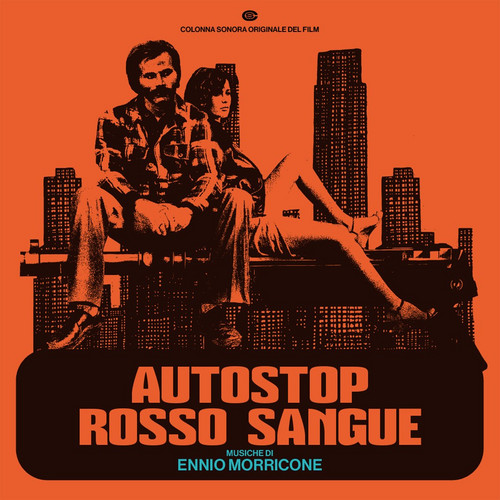
Autostop Rosso Sangue
Ennio Morricone's 1977 score for Pasquale Festa Campanile's road thriller with Franco Nero, Corinne Cléry and David Hess, with Edda Dell'Orso and I Gladrags: first reissue since the 500-copy original, restored from the master tapes, in a digipack.
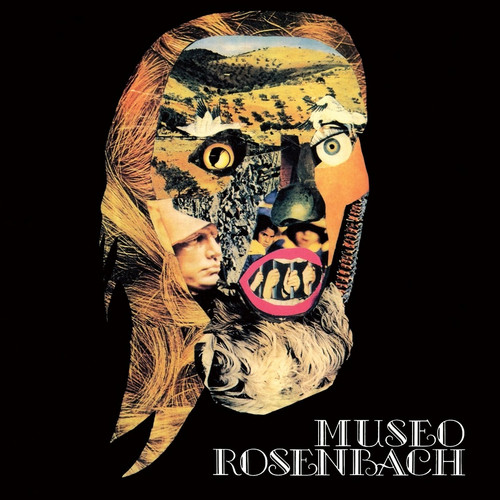
Zarathustra
Museo Rosenbach's 1973 debut on Ricordi: a Nietzsche-inspired suite of Mellotron, Hammond and heavy guitars, sunk at the time by accusations of fascism and now one of the cult records of Italian progressive rock. Music On Vinyl reissue on 180g transparent vinyl, gatefold.
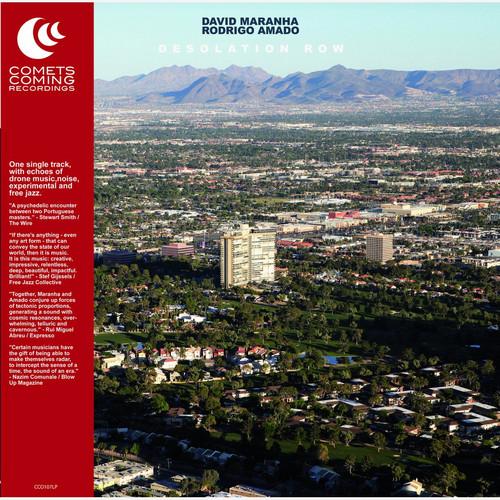
Desolation Row
David Maranha's electric organ and Rodrigo Amado's tenor saxophone in a single 41-minute piece recorded live at Out.Fest 2025: drone, noise and free jazz, with liner notes by Stuart Broomer.
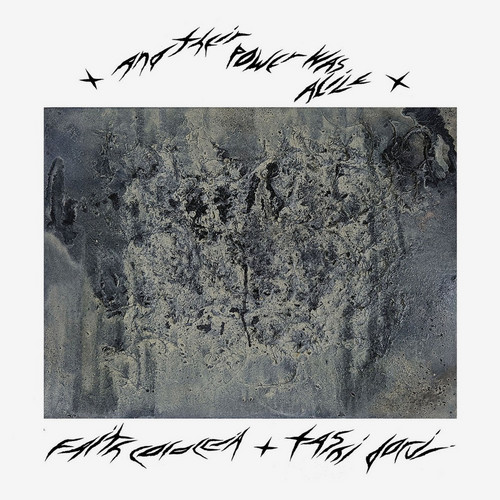
And Their Power Was Alive
Faith Coloccia's unadorned voice over Tashi Dorji's glacial, howling guitar, with piano, organ and tubular bells: songs about land, property and loss, recorded between Anacortes and Asheville.
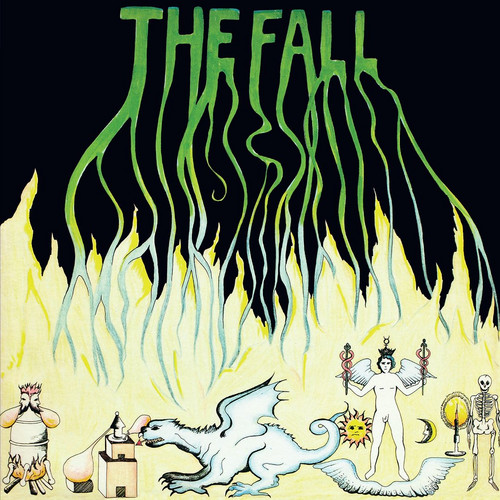
77 - Early Years - 79
The Fall's first four Step-Forward singles, 1977-79, plus Dice Man from Dragnet: Mark E. Smith's early art punk of atonal guitar, looping bass and combo organ, back on vinyl for the first time with liner notes by Stephen Malkmus.
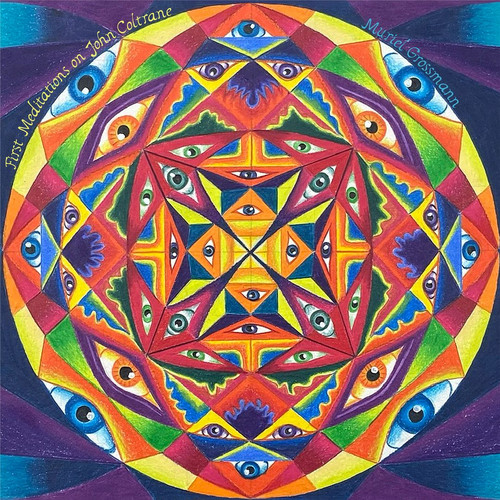
First Meditations on John Coltrane
CD version. This album is a tribute to the person and spirit of John Coltrane. It was produced by musicians who not only admire Coltrane but embody similar values.While it’s always a good time to honor Coltrane’s memory, this particular moment seems to carry an increased urgency of remembering his message and mission.Since some owners of this amazing record may be unfamiliar with Coltrane’s character, it’s worthwhile to briefly state a few biographical details.First, Coltrane was a compassionate…
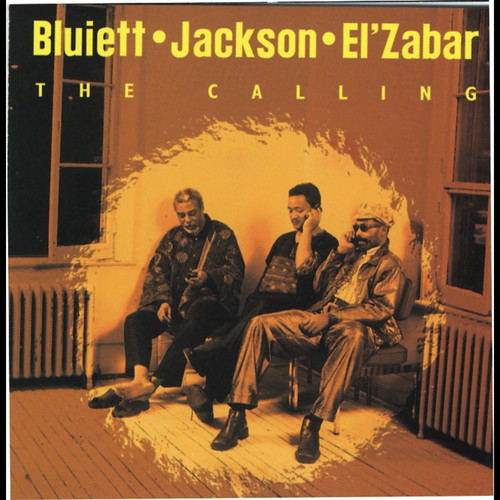
The Calling
Hamiet Bluiett's baritone, D.D. Jackson's piano and organ, Kahil El'Zabar's drums, kalimba and voice. Recorded live in the studio in Montreal in October 2000 with no overdubs, The Calling runs on call-and-response, church organ and blues, with Bluiett switching to wooden flute and contra-alto clarinet.
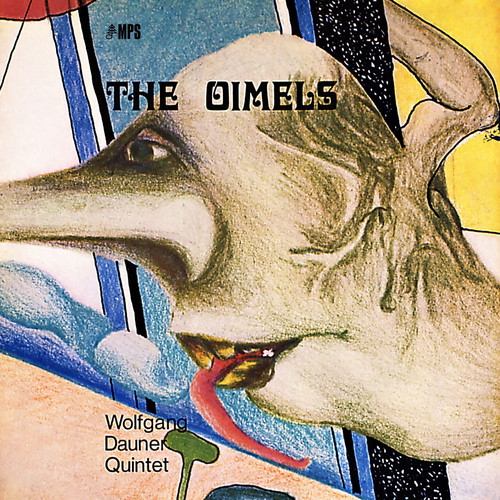
The Oimels
Two years after Free Action, a different record. The Oimels, MPS 1969, is the Wolfgang Dauner Quintet playing pop: Dauner on piano, organ and voice, Eberhard Weber on bass, cello and voice, Siegfried Schwab on guitar and sitar, Pierre Cavalli on guitar, and Roland Wittich on drums and voice, who also did the cover art with Dauner.
The programme mixes Dauner originals with a Gershwin tune, a traditional, and a Lennon-McCartney song. A RateYourMusic listener puts it plainly: a different kind of ja…
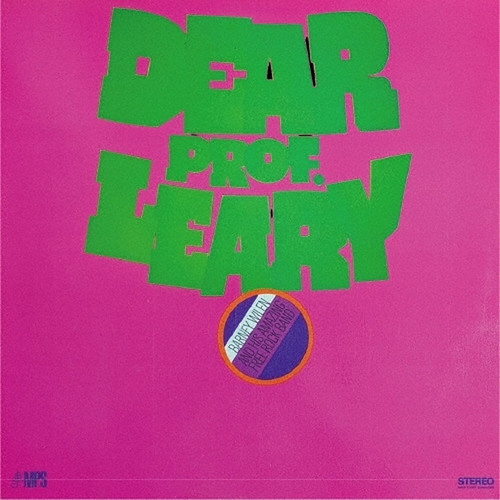
Dear Prof. Leary
Villingen, 27 and 28 June 1968. Barney Wilen, the tenor of Ascenseur pour l'échafaud, with a young Joachim Kühn on organ and piano, Aldo Romano and Wolfgang Paap on two drum kits, Mimi Lorenzini's guitar and Günter Lenz's bass. Ode to Billie Joe, Respect, Lonely Woman and the Supremes, dedicated to Timothy Leary.
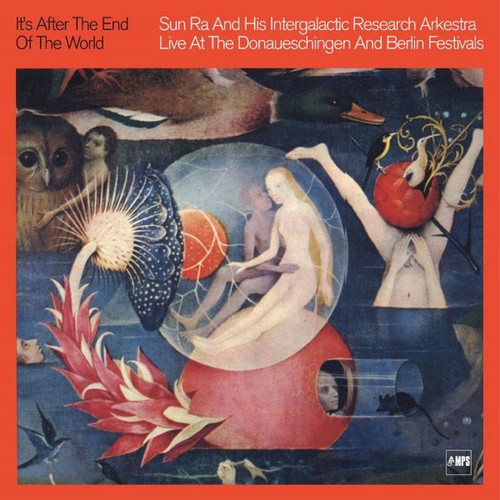
It's After The End Of The World
Donaueschingen, 17 October 1970, and Berlin, 7 November: Sun Ra's first German concerts, commissioned by Joachim-Ernst Berendt, with the Black Forest Myth written for the astrological moment and never played again. Berendt cut five hours of tape into forty minutes. Der Spiegel called it cosmic chaos.
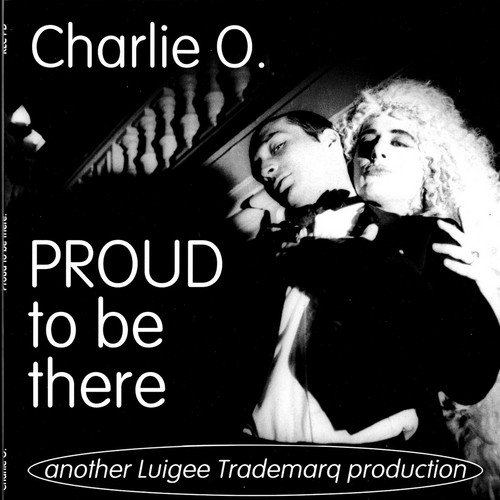
Proud To Be There
A 7" on Rectangle by Charlie O. (Alain Boiziau): the Gay Pride anthem Proud To Be There, produced by Luigee Trademarq with Hammond organ and vocals, backed by two intimate songs for piano, voice and trumpet.
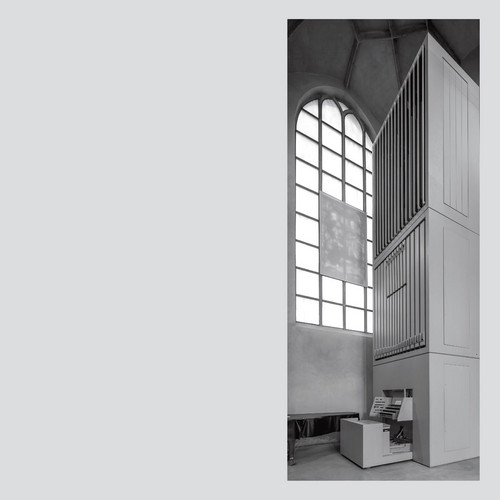
Pipe Dreams II / III
Mary Jane Leach's Pipe Dreams II and III, recorded on the organs of Miry Concertzaal, Gent (2023) and Kunst-Station Sankt Peter, Cologne (2024): beating tones and antiphonal clouds of sound, following the 1989 original issued by Blume.

Ungebunden
Faust unbound, curated by keyboardist Hans-Joachim Irmler. Drones, grooves and collage roam free, another founder's window onto the collective's fearless, uncategorisable body of work.

Jazz In Libertà
Antonio Riccardo Luciani's 1976 Lupus LP for an anonymous quartet of bass, drums and two keyboards in constant dialogue: lean jazz-funk built for 70s crime films, with one guitar cameo on the title track.

American Bus
Jason Black and his Group play Arawak's 1977 Wild Cat LP, an Italian dream of the American West Coast: blues-edged funk-rock, honking sax and one reggae detour named after San Francisco's Lombard Street.

Live in Paris, 1975 by France Musique FM
Experience the extraordinary sonic journey of Terry Riley like never before with Live In Paris, 1975, an exclusive release from France Musique FM. Captured in these rare French live recordings, Riley delivers a mesmerizing display of his signature psychedelic organ mastery, following closely on the heels of his 1972 landmark work, Persian Surgery Dervishes.
In stunning form, Riley conjures endlessly rippling, dosed organ drones that create a captivating sense of stasis within expansion—a uniquel…
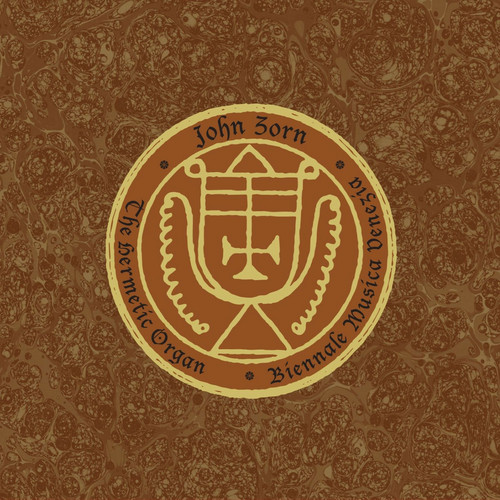
The Hermetic Organ Vol. 13 - Biennale Musica Venezia
Zorn's first appearance at the world renowned Venice Biennale was a spectacular one. Invited to perform The Hermetic Organ at the famed 17th century Palazzo Pisano, he was surprised to find two small antique organs opposite one another on the small stage of its intimate concert hall. His performance that day was one of the very best Offices of The Hermetic Organ—a wild, acoustic affair that takes full advantage of the rich reeds, flutes, and horns of these two outstanding instruments. Zorn ran b…

Decomposition Study
Decomposition Study is a collaborative process. The instrument featured here is an arciorgano, a special microtonal organo di legno with two manually operated bellows and 36-key octaves across two manuals, constructed according to Nicola Vicentino’s designs from 1555. The notes of the music, written according to the rules of canonic contrapunto alla mente, are passed between two organists while four other musicians disrupt and amplify the organ’s airflow, acting similarly to cellular enzymes in …
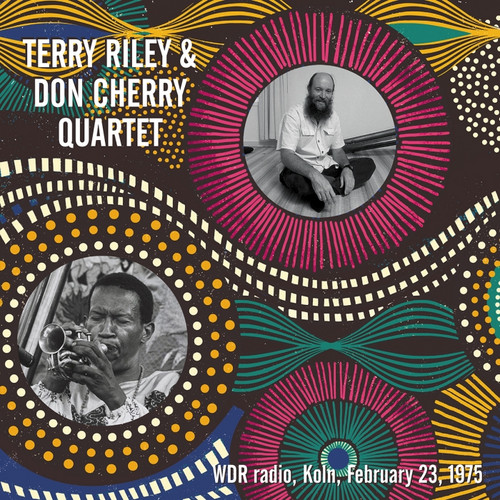
Köln – February 23, 1975
The meeting between Terry Riley the father of American Minimalism and free jazz pioneer Don Cherry. Two contemporary luminaries who always shared an ear for non Western music and philosophies. Joined here by Stein Claeson on violin and el. bass, and Bengt Berger on percussion, these two giants give us an example of deep organic music based on the full integration of various materials. A beautiful example of true extended sonic democracy.