Percussion
All records with percussion · Solo percussion only
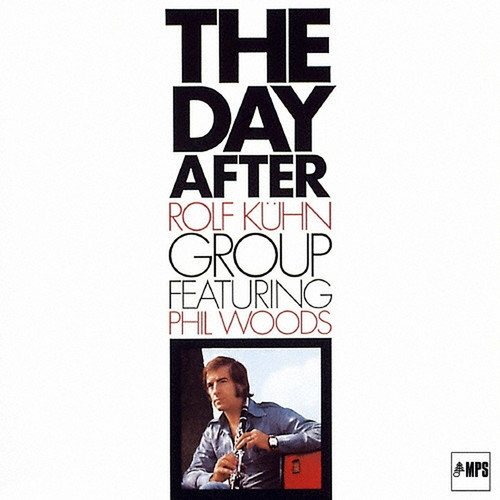
The Day After
Rolf Kühn and Phil Woods had worked together in New York in the late 1950s, when Kühn was there with Benny Goodman and the Tommy Dorsey orchestra. The Day After, released by MPS in 1972, is their reunion: Woods on alto, Kühn on clarinet, Joachim Kühn on piano, Peter Warren on bass, Oliver Johnson (Steve Lacy's drummer for a decade) on drums, and Naná Vasconcelos on percussion and berimbau.
Five pieces, forty-one minutes. Ca. 1-9-5-2 looks back to the bop era but is played modally. The title trac…
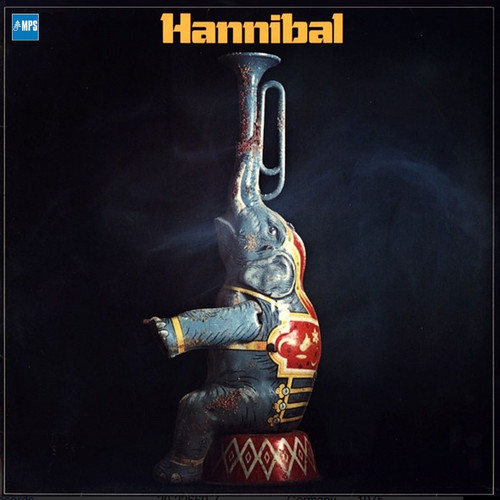
Hannibal
Ludwigsburg, 1 and 2 July 1975. Hannibal Marvin Peterson's first record for MPS, with Diedre Murray's cello, Michael Cochrane's piano, Stafford James and Thabo Michael Carvin. Two modal originals, a version of Misty, The Voyage with Hannibal on koto, and the fourteen-minute Soul Brother for Malcolm X.
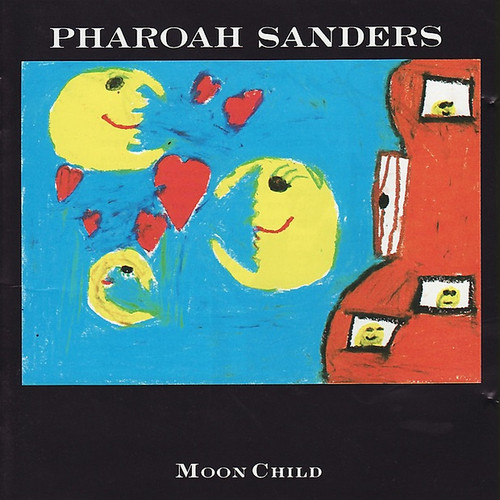
Moon Child
Paris, Studio Davout, 12 and 23 October 1989. Pharoah Sanders with William Henderson on piano, Stafford James on bass, Eddie Moore on drums and Cheikh Tidiane Fall on percussion. Produced by Wim Wigt for Timeless, released in 1990.
The Penguin Guide called it the straightest jazz album Sanders had made for years, and heard what he was after: a hypnotic groove that lets the horn float almost at will. Steve Loewy at AllMusic writes that the results may have disappointed some fans at the time, but …
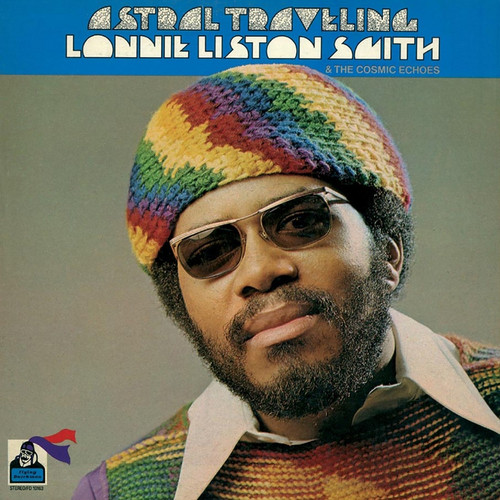
Astral Traveling
Lonnie Liston Smith's first album under his own name, 1973, straight out of the Pharoah Sanders band and the Thembi sessions where the title track was born on a Fender Rhodes. Cecil McBee, Joe Beck, Badal Roy on tabla, Mtume on congas, a tamboura. Six pieces, produced by Bob Thiele for Flying Dutchman.
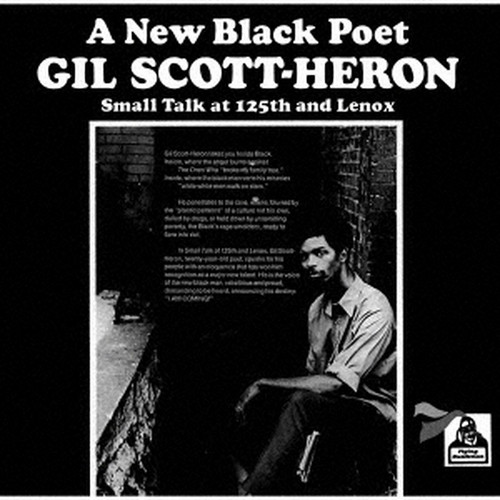
Small Talk At 125th And Lenox
A New Black Poet: Gil Scott-Heron's first record, 1970, a book of poems read in front of an audience with three percussionists, Eddie Knowles, Charlie Saunders and David Barnes, produced by Bob Thiele. The first version of The Revolution Will Not Be Televised, Whitey on the Moon, and the title piece.
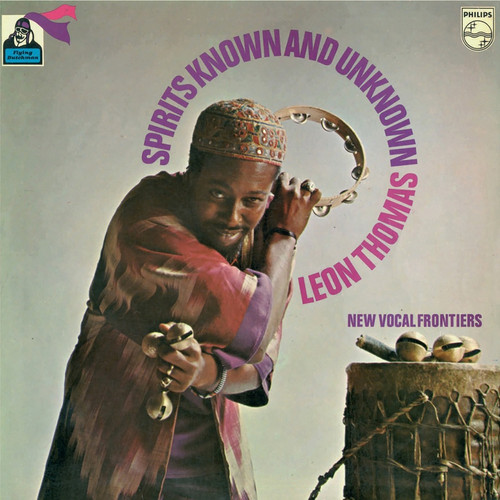
Spirits Known and Unknown
New York, 21 and 22 October 1969. Leon Thomas's first album under his own name, made months after Karma, with Pharoah Sanders credited as Little Rock, Lonnie Liston Smith, James Spaulding, Cecil McBee, Richard Davis and Roy Haynes. A shorter Creator Has a Master Plan, Echoes, and the Malcolm X elegy Malcolm's Gone.
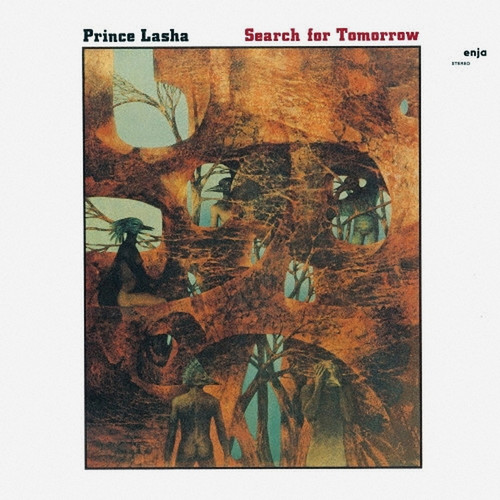
Search For Tomorrow
Berkeley Jazz Festival, 1974. Prince Lasha, the Fort Worth altoist and flautist who had made The Cry! with Sonny Simmons and Iron Man with Dolphy, with Hubert Eaves on piano, Ron Carter on bass, Roy McCurdy on drums and Kenneth Nash on percussion. Three pieces, including the sixteen-minute Mayflower.
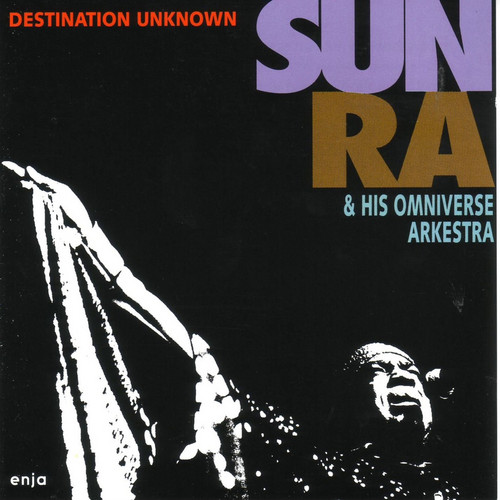
Destination Unknown
Moonwalker, Aarburg, Switzerland, 29 March 1992. Sun Ra, fourteen months from the end, at synthesizer and piano with a ten-piece Arkestra: Marshall Allen, Michael Ray, Ahmed Abdullah, Tyrone Hill, Buster Smith. Ten pieces in fifty-six minutes, mostly repertoire, groove over improvisation. Released by Enja.
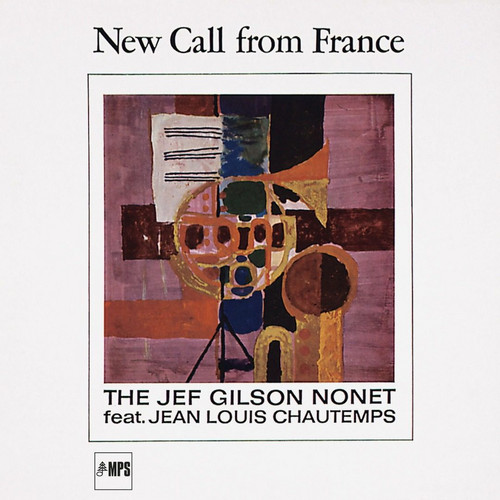
New Call From France
Jef Gilson (born Jean-François Quiévreux, 1926) had played clarinet with Claude Luter in Boris Vian's band, switched to piano in 1947, and in 1963 formed the big band through which half of French modern jazz would pass. In 1965 he was musical director of Les Double Six. That year Woody Shaw and Nathan Davis played in his orchestra. New Call From France, released by SABA in 1966 and credited to the Jef Gilson Nonet with Jean-Louis Chautemps, is the record he made for the Black Forest label at the…
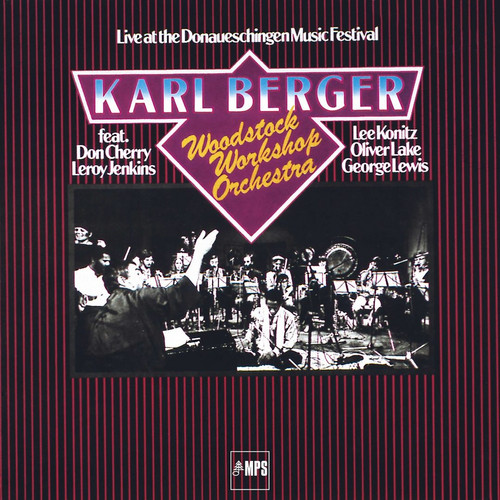
Live At The Donaueschingen Music Festival
Donaueschingen, October 1979. Karl Berger brought the orchestra of his Creative Music Studio from Woodstock to the German contemporary music festival, and Südwestfunk and MPS recorded it. The roster reads like the CMS guest book: Don Cherry on trumpet and bamboo flute, Lee Konitz on alto, Oliver Lake on alto, soprano and flute, George Lewis on trombone, Leroy Jenkins on violin, Trilok Gurtu on tabla and congas, Peter Apfelbaum on drums and baritone, Ingrid Sertso singing, Berger on vibes and pia…
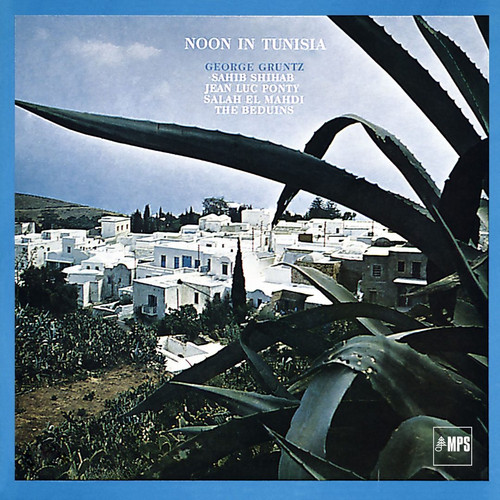
Noon In Tunisia
Another of Berendt's meetings, SABA 1967. George Gruntz, the Basel pianist who would later run the Berlin Jazz Festival for twenty years, with Sahib Shihab on saxophones and Jean-Luc Ponty on violin, and a group of Tunisian musicians: a bendir and darbuka drum ensemble and Salah El Mahdi on ney flute. The title turns Dizzy Gillespie's tune on its head.
UK Vibe, reviewing the Nicola Conte compilation that includes Djerbi, points out that the famous names are not the point: it is the lesser-known …
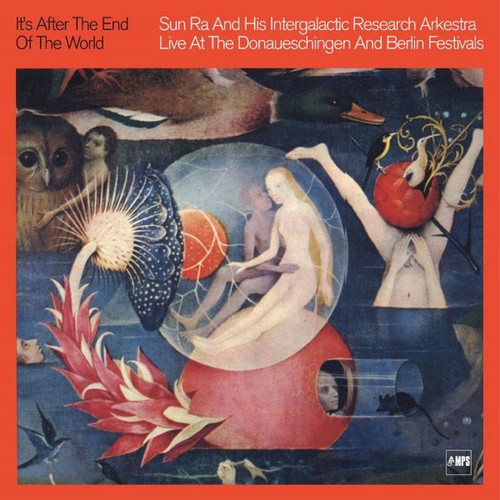
It's After The End Of The World
Donaueschingen, 17 October 1970, and Berlin, 7 November: Sun Ra's first German concerts, commissioned by Joachim-Ernst Berendt, with the Black Forest Myth written for the astrological moment and never played again. Berendt cut five hours of tape into forty minutes. Der Spiegel called it cosmic chaos.
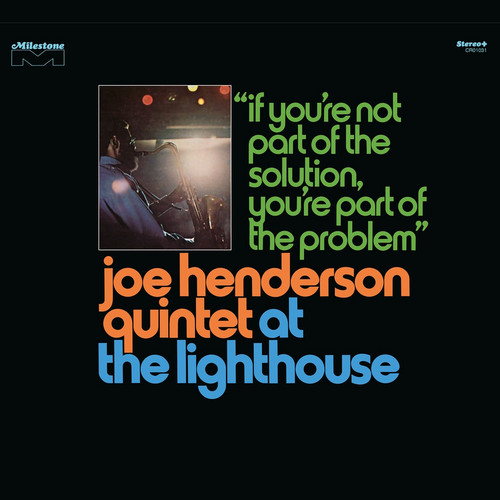
At The Lighthouse: If You're Not Part Of The Solution, You're Part Of The Problem
Joe Henderson's quintet live at the Lighthouse in Hermosa Beach in 1970, with Woody Shaw, George Cables, Ron McClure, Tony Waters and Lenny White. Deluxe 3LP edition with five unreleased tracks and new liner notes.
Rites
Jan Garbarek's 1998 double album with Rainer Bruninghaus, Eberhard Weber, Marilyn Mazur and Bugge Wesseltoft, on vinyl for the first time in ECM's Luminessence series: tip-on gatefold jacket with booklet.

Lind
Solo percussion by Sven-Åke Johansson, recorded at his SÅJ Studio in Berlin in March 2010: fifteen short pieces named after Swedish surnames, rolls, cymbals and a towel flicking on the drum skin.

Fallstudien
Percussionists Burkhard Beins and Sven-Åke Johansson with harpist Rhodri Davies, recorded at Sowieso in Berlin in 2013 and 2015: acoustic sounds that come close to electronics, plus a harp solo by Davies.

Frost
Berlin trio improvisation recorded in June 2015 by Liz Allbee on trumpet and seashell, Annette Krebs on electric guitar and electronics and Sven-Åke Johansson on percussion, with notes by Thomas Millroth.
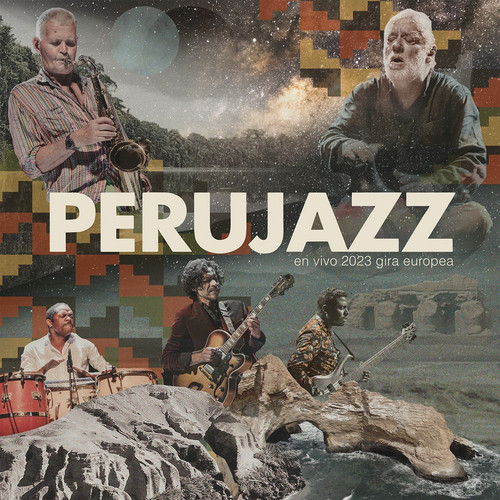
En Vivo 2023 Gira Europea
Live double album from Perujazz's 2023 European tour, with concerts in Norway, Austria, Germany, the UK, Spain and France: the Lima group founded in 1984 mixing cajón, Afro-Peruvian and Andean sounds with jazz, rock and funk.
The Face of Percussion
Solo percussion album recorded in August 1980 by Masahiko Togashi, alone with drums, gongs, bells and hand percussion on a kit of his own design, reissued on LP with obi and liner notes in the Spin This Now! series.
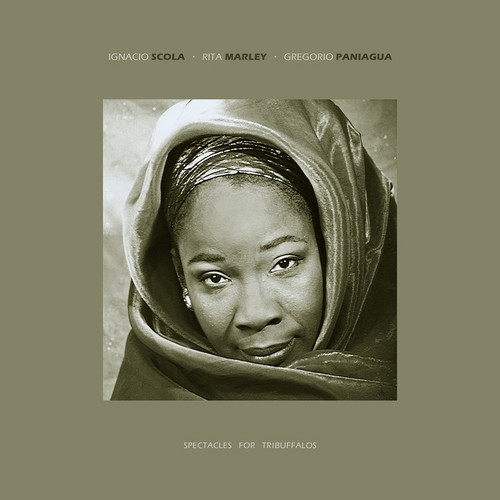
Spectacles for Tribuffalos
First reissue and first vinyl edition of the 1995 album on which Rita Marley sings songs by Ignacio Scola and Gregorio Paniagua, sophisticated experimental pop rooted in soul and Jamaican music, with a side of remixes by Suso Sáiz.