New Arrivals
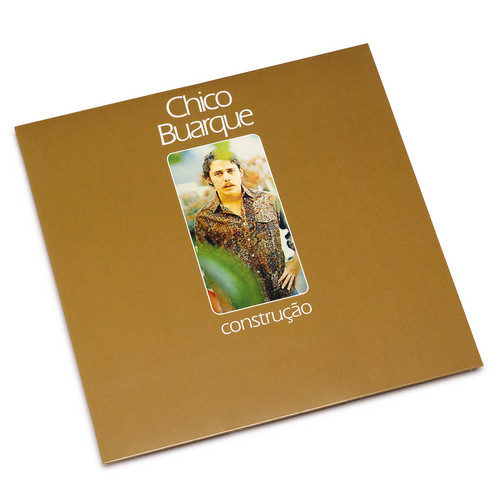
Construcao
*2026 repress* Construção (Portuguese for 'Construction') is the eighth studio album by Brazilian singer-songwriter Chico Buarque, released in December 1971. It was composed in periods between Buarque's exile in Italy and his return to Brazil. Lyrically, the album is loaded with criticisms of the Brazilian military dictatorship, especially with regard to the censorship imposed by the government at the time. It is widely regarded by music critics as one of the greatest Brazilian albums of all tim…
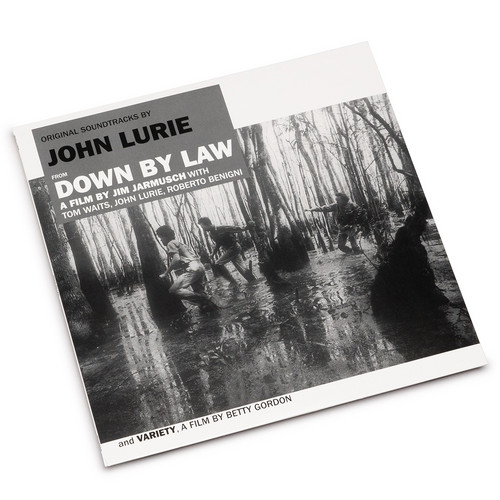
Down By Law
*2026 repress* The soundtrack to Jim Jarmusch's 1986 film Down By Law is composed and performed by John Lurie, who also plays the pimp Jack in the movie. His world-weary avant-jazz pieces like "Please Come to My House," "What Do You Know About Music, You're Not a Lawyer," "Strangers in the Day," and "Fork in the Road" convey the film's seedy but humorous crime story.
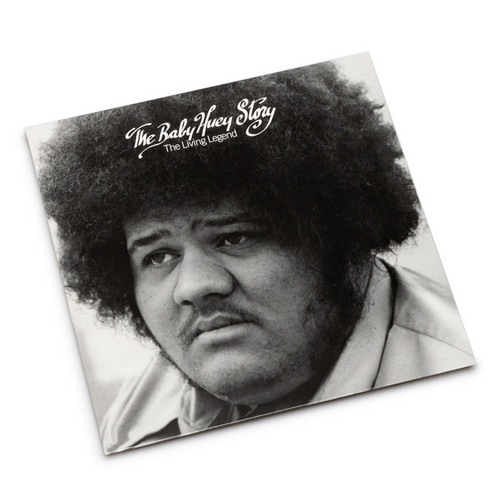
Baby Huey Story
*2026 repress* This is the only solo album by American soul singer James "Baby Huey" Ramey. He died at the age of 26 while recording his solo debut, and the album was finished and released posthumously. A quarter century after its release, The Baby Huey Story went on to become a cult classic among soul musicians and fans. Its single "Hard Times" has been sampled many times by a lot of artists and was covered by John Legend and the Roots in 2010 for the album Wake Up!
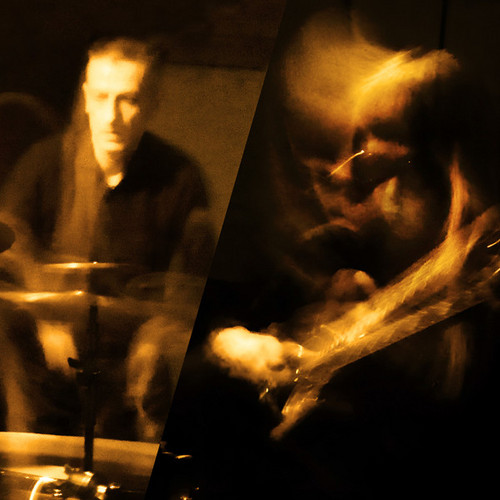
Cafe OTO
Legendary Japanese experimentalist Keiji Haino (Fushitsusha) and London's fearless drummer Steve Noble took to the stage at Cafe OTO in 2012 for a monumental concert - with Haino's extreme treatments of electric guitar, and feedback, with Noble on a lot of percussion...
While Haino theatrically sweeps between bleak and uninhibited paranoia, deep-level zoning and bluesy contemplation, Noble's huge set up and graceful approach brings space, light and shade - so much so that at one point Haino unpl…
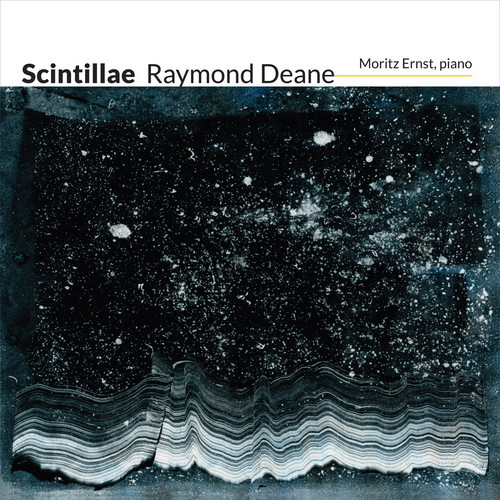
Scintillae
For fifty years, the piano has been the backbone of Raymond Deane’s creative output. This journey began at age sixteen with the first Orphic Piece, a work that set the stage for a career defined by breaking contemporary taboos. Rejecting both the strict rules of traditional keys and the lawlessness of atonality, Deane creates his own temporary musical structures, constantly building them up and dismantling them again. For him, composition is a process of conflict and negotiation, allowing for th…
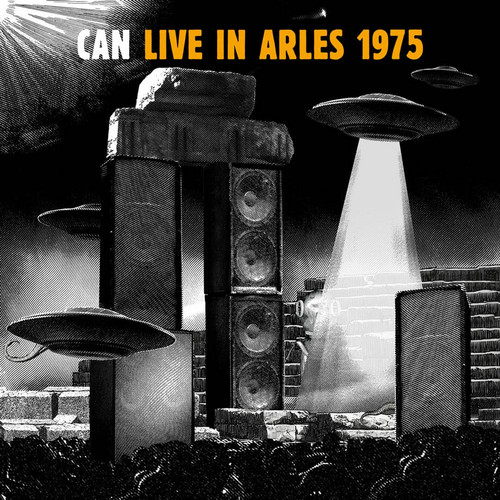
Live in Arles 1975 (2LP)
Seventh entry in the essential Can live series, and one of the great ones. A hot August night in 1975, the Roman Théâtre Antique in Arles, the core four locked in: Irmin Schmidt, Michael Karoli, Jaki Liebezeit and Holger Czukay. No safety net, just the band stretching out in real time.
For decades this concert lived only in the stories of the people who were there, the recording buried in the Spoon Records vaults. Unearthed at last for its first ever release, with sleeve notes drawn from first-h…
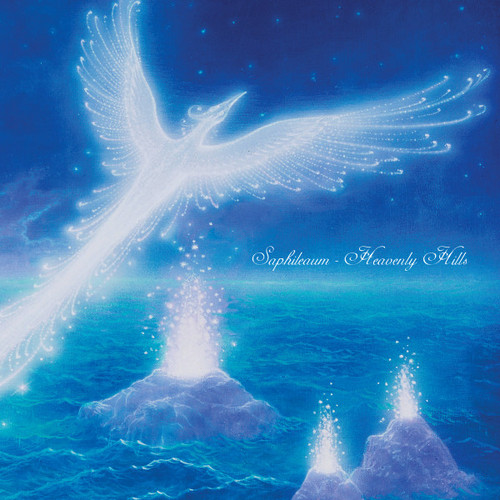
Heavenly Hills
*300 copies limited edition* Good Morning Tapes are back with a new album of lushest New Age sound-bathing x emotionally gooey trip hop from Andro Gogibedashvili aka Saphileaum.
Saphileaum has spent the past decade in passage between notable houses of atmospheric sorcery - Mule Musiq, Not Not Fun, Slow Life, Constellation Tatsu - and of course Good Morning Tapes, who now host their 3rd meeting, »Heavenly Hills«. A definitive chapter in his ten year saga, it is flush with symphonic strings and sk…
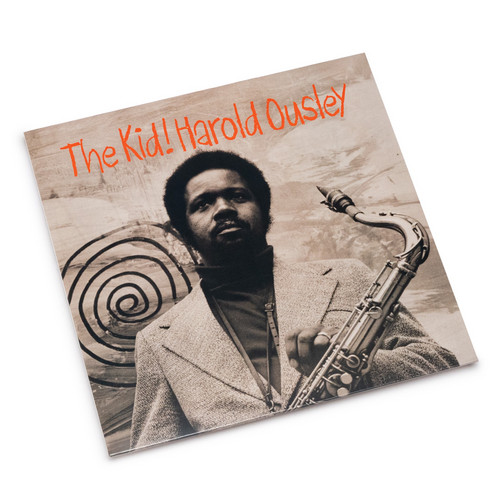
The Kid!
Harold Ousley’s The Kid! is a superb example of early-1970s soul-jazz and jazz-funk, putting the spotlight on the saxophonist’s distinctive tone and commanding presence. From the first notes, the album radiates energy and character, marrying dynamic phrasing with a deeply confident sense of swing.
The record thrives on infectious grooves, a tightly locked rhythm section, and spirited improvisation that keeps the music moving at every turn. Seamlessly blending the worlds of jazz, funk, and soul, …
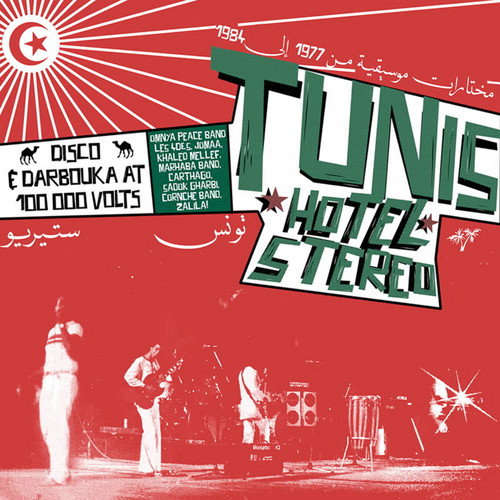
Tunis Hotel Stereo
In the years after independence, Tunisia made an unlikely bet: tourism. Beach resorts rose along the coast, each one trying to outshine the next, and each one needing a band to entertain their guests. A whole generation of musicians grew up on those hotel stages - sharing bills with James Brown, Claude François and the Mingus Dynasty - and what came out of it was a small revolution. Funk played on Tunisian instruments. Disco with an oud in it. Reggae carried back from the island of Kerkennah. A …
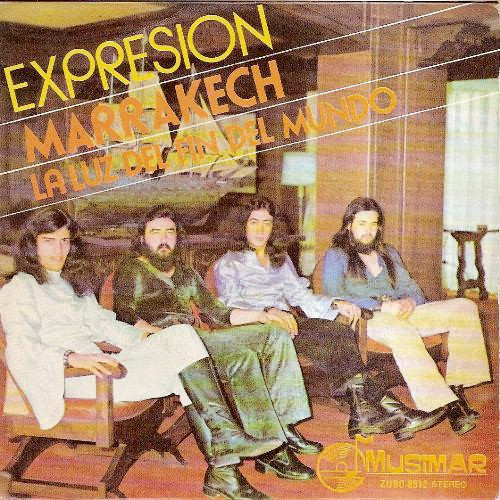
Marrakech / La Luz Del Fin Del Mundo
We return to the domestic scene with one of the most coveted items for Spanish record collectors. All sorts of stories circulate about this record: some claim to have seen it decades ago at a fair, while others recount how a fellow collector managed to snag a copy in the early days of the internet. The truth is that those who can boast of having the original on their shelf can be counted on the fingers of one hand.
A true rara avis recorded by Expresion in 1974 for the Musimar label, this legend…
Tages
*100 copies limited edition* There is a strange form of clairvoyance that does not look to the future, but digs back into the earth, into the ground itself. Etruscan mythology tells that the small Tages who emerged from the furrow of a plowed field at Tarquinia was not an ordinary child, but memory itself—coming from the earth’s innards—to dictate its divinatory secrets. For the seventh installment of the Drove catalog, the ensemble Oracle Column turns this myth into sound material, treating mag…
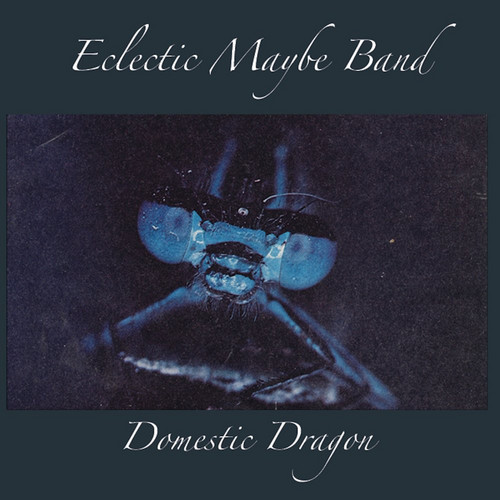
Domestic Dragon
Once again studio master / composer / bassist Guy Segers assembles a huge cast of progressive musicians to perform / improvise 8 new pieces. Guy's methods of composition and collage remain as before, but each new Eclectic Maybe Band release brings a new perspective to the music. This time round harder, more brittle sounds emerge from an album with a very punchy attitude. A mixture of avant pop and progressive complexity.
Outside
A fourth collection of Keith Jafrate's soulful music and poetry in the grand lineage of spiritual jazz, performed once more by a team of top drawer northern UK players who can interpret this music with power and sensitivity.
With their fourth album on discus Uroboro continue to expand composition into improvisation, or perhaps set it free to become improvisation, or perhaps sabotage it with improvisation. by way of explanation, they offer an absorbing set of eight new pieces, four vocal and four…
Lynx Fux Fox
*2026 stock. 500 copies limited edition* Lynx started in 2004 and is a doubledrumleadrhythmsectionpowerband. Based on Antonis’ compositions the music is developing in collective improvisations. Combination of arithmetical structures and spontaneous decisions. Hypnotic melodies, ecstatic drumming and extended sound trips. Studio prize 2005 of the Culture Senat in Berlin! Cool dark sounds in Jazzy and Latin ways!
Finis Terrae
French composer Sylvain Bombled aka Mayerling is back on HITD with ‘Finis Terrae’, marking the project's first album in 8 years. In the winter of 2025, the musician came up with these five pieces while in solitary retreat on the northern coast of Ouessant, the westernmost island of metropolitan France. The rough weather, the awe-inspiring beauty of the surroundings and the majestic grandeur of the natural elements play a pivotal role in each composition, allowing Mayerling to delve into his inne…
Man Ah Warrior
Reissue for the epic Tapper Zukie's first album, originally released in 1973. Supervised by the original producer Clement Bushay! Zukie never expected these cuts to turn into an album, and was quite startled to discover this record in the London shops when he came to town in the spring of 1975. After 50 years “Man Ah Warrior” is still a lively and unique collection. The bassline and trademark guitar sound from The Temptations’ “Papa Was a Rolling Stone” is instantly recognizable in the title tra…
Earth Running
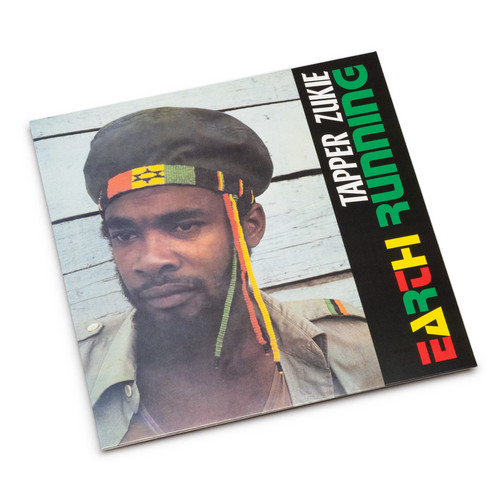
Earth Running, originally released in 1979 on the Tappa's Stars label, can be considered the Jamaican's toaster's maturity album. Lyrics here are rooted in the "ghetto life" as always. A work with an international flavour: On Side B, two convincing dance tracks, the anthemic funkfest "Freak" and "One More Chance", often championed by DJs in the following years. A work that explored new territories, a mandatory re-issue for all authentic reggae lovers.
Live at the Oakland Coliseum
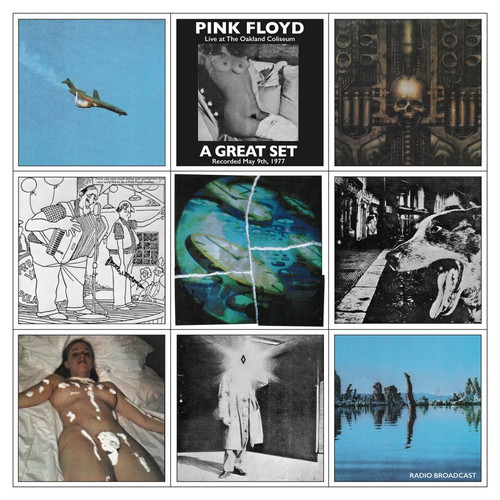
Pink Floyd Live at the Oakland Coliseum, is a landmark triple-album release featuring a recording of Pink Floyd’s May 9, 1977 show at the Oakland Coliseum during their “In the Flesh” tour, staged to promote the album Animals. Delivering the full force of the band at their creative peak, the release captures a night of bold energy and unforgettable live atmosphere.
Roger Waters, David Gilmour, Richard Wright, and Nick Mason are joined by Snowy White (electric guitar, 12-string guitar, bass, and b…
The End of the Continuum
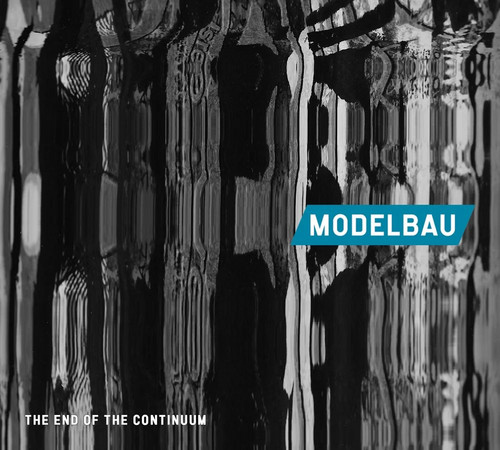
*300 copies limited edition* Anybody paying attention to what’s been happening at Lumberton Trading Company during recent months should have noticed that Modelbau had a collaborative CD with Bass Communion released in late March. Meshing abstract electronics with ambient textures, field recordings and a more electroacoustic setting, 'Analysis Reveals Nothing of Substance' brought together the minds of Frans de Waard and Steven Wilson into a space that proved their own slightly different takes on…

Magic Hour
Magic Hour, comes from FeLid, a member of the post-hardcore band the north end and an organizer of the festival platform MIMINOIMI. Combining improvisational and accidental guitar sounds, lyrical ambient drones, and high-definition sound editing, Magic Hour is both accessible and deeply experimental in its approach.