Billie HarrisFeaturing: Horace Tapscott
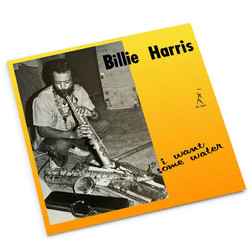
I Want Some Water
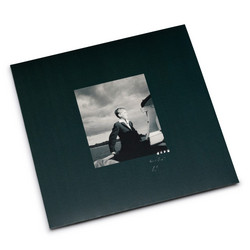
Twenty years in a vault. That's how long I Want Some Water waited before anyone outside of a Los Angeles studio could hear it. Recorded on April 29 and May 3, 1980, at United Western in Hollywood, it wasn't released until 1999 - a small CD run that most collectors never saw. The vinyl pressing came forty years after the tapes were made.
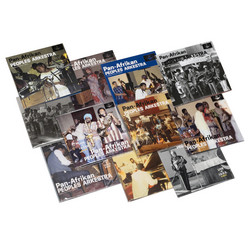
Billie Harris was born in Laurel, Mississippi, on February 15, 1937. He picked up the saxophone at fourteen, served four years in the Air Force, and landed in Los Angeles in 1965. By 1970, he and his wife Cookie had opened the Azz Izz Jazz Club Cultural Center and Teahouse on West Washington Boulevard in Venice - a converted house across from Westminster School, walls knocked down, stage built. For eight years, until 1978, the Azz Izz became one of the essential rooms on the West Coast: Art Blakey, Bobby Hutcherson, Blue Mitchell, Billy Higgins, John Carter, Arthur Blythe, Frank Morgan, and Horace Tapscott with the Arkestra all played there. When his club duties allowed, Harris himself played in the Pan-Afrikan Peoples Arkestra.
The quintet assembled for these sessions represents three-fifths of the group that recorded Tapscott's landmark debut The Giant Is Awakened in 1969: Horace Tapscott on piano, David Bryant on bass, Everett Brown Jr. on drums, with Daa'oud Woods - Harris's duet partner on the Venice boardwalk - on percussion. At forty-three, Harris brought three decades of playing into the studio. The results are monumental.
Each track builds slowly, patiently, toward towering climaxes. "Prayer Of Happiness" and the title track open with vocals by the enigmatic Lorelei before the horns take flight. "Blues For Lupé" swings through ten minutes of modal exploration. The CD adds two bonus tracks recorded live at the Immanuel United Church of Christ: a seventeen-minute "Many Nights Ago" with Adele Sebastian on flute and Sabir Mateen on tenor, and Tapscott's solo "Why Don't You Listen?"
Harris never recorded another album as a leader. He eventually moved to the Mojave Desert, where he played in a church band. He died in 2014. But on the Venice boardwalk, at the corner of Rose Avenue and Ocean Front Walk, he played for decades - the same sound, the same commitment, the same fire.
This is spiritual jazz at its most profound.