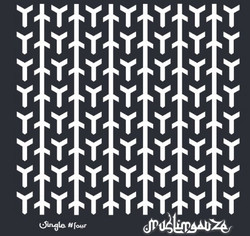
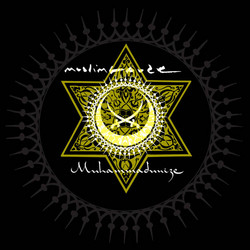
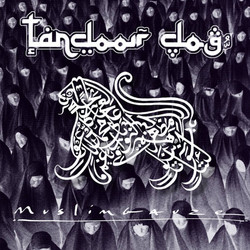
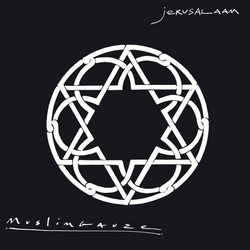
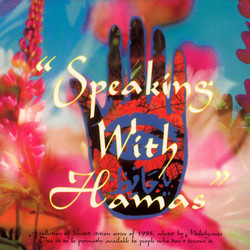
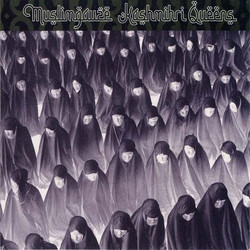
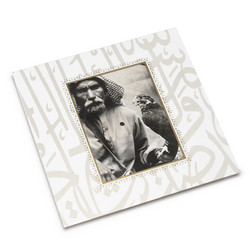
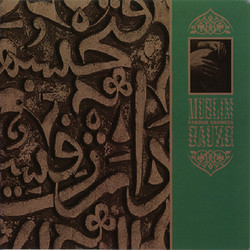
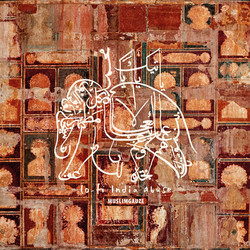
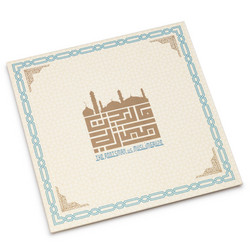
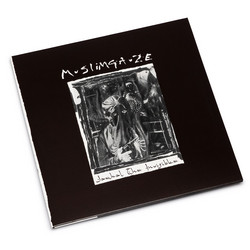
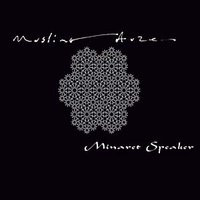
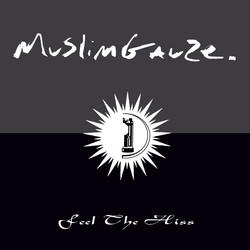
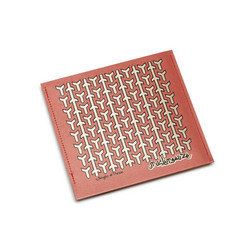
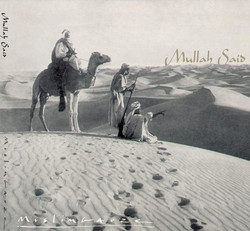
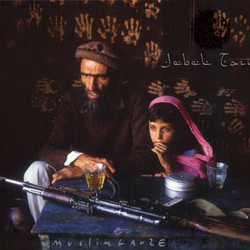
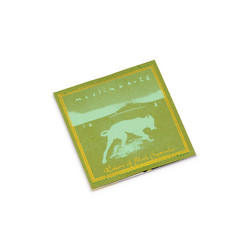
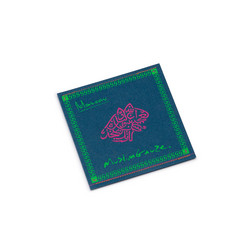
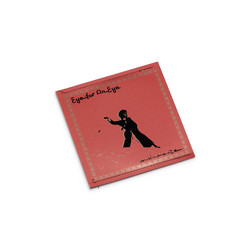
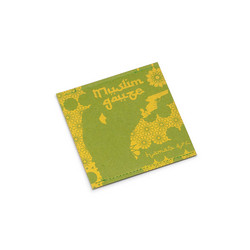
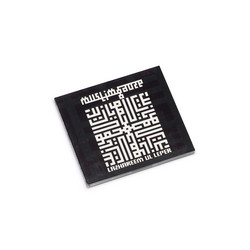
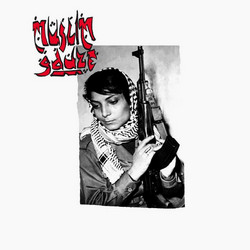
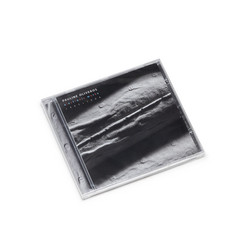
Edition of 500. Widely regarded as one of the essential entries in the vast Muslimgauze catalogue, Mullah Said returns once more via Staalplaat in a third edition vinyl pressing and a reworked digipack CD edition of 400 copies - both featuring updated artwork with additional gold printing. Originally issued in 1998 as the eighteenth installment in Staalplaat's Muslimgauze subscription series, Mullah Said represents Bryn Jones at the height of his powers. Engineered by John Delf at his Abraham Mosque studio in Manchester - the site where so many Muslimgauze classics were forged - this was the last album Delf worked on before Jones' sudden death in January 1999, lending it the unintended gravity of a final artistic statement.
Where much of Jones' output oscillates between abrasive noise collage and propulsive tribal-industrial attack, Mullah Said inhabits a different, more contemplative space. The album concentrates on what might be called the ambient-dub axis of the Muslimgauze sound: deep, hypnotic grooves built from layers of acoustic hand percussion, shimmering electric sitar drones, dubwise bass pulses, and densely woven field recordings - market voices, calls to prayer, fragments of conversation, the distant textures of everyday life in the Middle East. The effect is immersive and trance-inducing, yet never without an undercurrent of tension and unease.
The title track opens with an enveloping wash of these elements, percussion and strings intertwining in slow, mesmeric cycles as sampled voices drift in and out of the mix. "Every Grain Of Palestinian Sand" pushes the tempo slightly forward, locking into a deeper rhythmic insistence as dub effects smear and stretch the sonic field. "Muslims Die India" darkens the mood further, voices growing more somber, more weighted with grief. In a characteristic Muslimgauze move, the two central pieces then return in altered versions - Jones remixing himself, refracting the same material through subtly shifted perspectives, extending the trance logic of the album into a disorienting hall of mirrors. The brief closing piece, "An End", ruptures the spell with machine-gun percussive bursts cutting through a crackling ground, a stark coda that pulls the listener abruptly back to the surface.
Across a discography stretching to well over a hundred releases, Bryn Jones (1961-1999) pursued a radically committed artistic vision, channeling the politics, sounds, and spiritual resonance of the Islamic world through the tools of electronic music, dub, industrial, and musique concrete. Working in near-total isolation from his base in Manchester, he developed a sonic language that has proved enormously influential - its traces audible in the work of artists from Vatican Shadow to Shackleton, from Arca to Rabit. Mullah Said distills that language to its most hypnotic and emotionally affecting essence: a rare, beautiful recording, at times profoundly sad, and one of the most radical documents to emerge from the intersection of dub, ambient, and outsider electronics.

![Stealth [Gold Edition]](https://cdn.soundohm.com/data/products/2025-08/MzUtODYzNS5qcGVn.250.jpg)