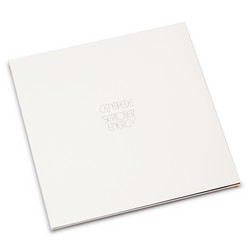
Released in 1968, The Smoke stands as the sole, elusive statement by American band The Smoke, a record that feels less like a debut than a fully formed world. Arriving at the height of the psychedelic era, it sidesteps the heavy jam ethos of the time in favour of something more delicately constructed: a blend of sunshine and baroque pop threaded with just enough psychedelic strangeness to tilt the room. From the opening moments, it’s clear this isn’t a simple document of a band in a room; it’s a carefully storyboarded pop‑psych suite, each section feeding into the next with a cinematic sense of pacing.
Central to the album’s pull is its orchestral imagination. Strings, brass and harpsichord are woven through the arrangements not as decorative flourishes but as structural elements, carrying themes, answering vocal lines, and shading harmonies with unexpected colours. Layered vocal arrangements - from close, almost choral harmonies to more playful call‑and‑response passages - give the songs a sense of lift, as if they were always half‑remembered from some other, brighter place. Rather than leaning on extended solos or acid‑rock excess, the record pursues density of detail: countermelodies tucked into the edges, little arranging jokes, echoes that appear for a bar and vanish.
One of The Smoke’s defining gestures is its use of interludes and fragments. Short instrumental bridges, spoken snippets and miniature themes pop up between songs or bleed into their intros and outros, giving the album an almost conceptual flow. These brief passages function like scene changes or dream edits, softening the boundaries between tracks and encouraging the listener to experience the LP as a single, continuous piece. The effect is theatrical but understated - more like a gently surreal stage play than a rock opera, with recurring moods and motifs rather than an explicit storyline.
Throughout, the atmosphere hovers between warmth and unreality. The sunshine‑pop instincts - bright chords, major‑key melodies, a certain breezy optimism - are constantly inflected by baroque turns of phrase and psychedelic production moves: sudden shifts in perspective, tape effects, voices appearing as if over an old radio, orchestral swells that bloom out of nowhere. This slightly dreamlike quality is what has kept The Smoke resonant for listeners and collectors: it offers the pleasures of classic 60s pop songwriting while feeling subtly out of step with its own moment, as if beamed in from a parallel, more theatrical timeline.