Reissues
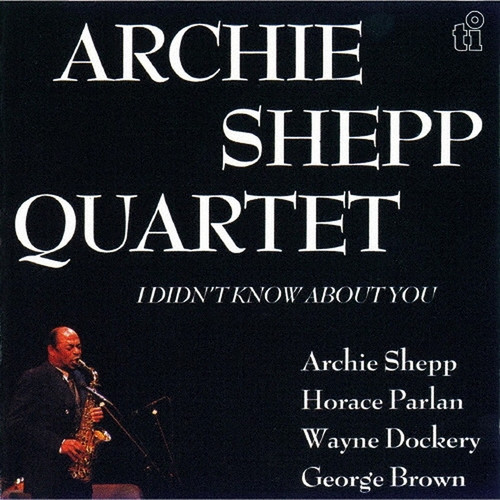
I Didn't Know About You
Munich, Studio Meilhaus, 6 November 1990. Archie Shepp on tenor and alto, singing on three tracks, with Horace Parlan on piano, Wayne Dockery on bass and George Brown on drums. One day of work for the Dutch label Timeless, released the following year.
Shepp and Parlan had recorded the spirituals of Goin' Home and the blues of Trouble in Mind as a duo for SteepleChase in the late 1970s. This quartet session comes out of the same relationship, a decade on, and the material tells you where Shepp wa…
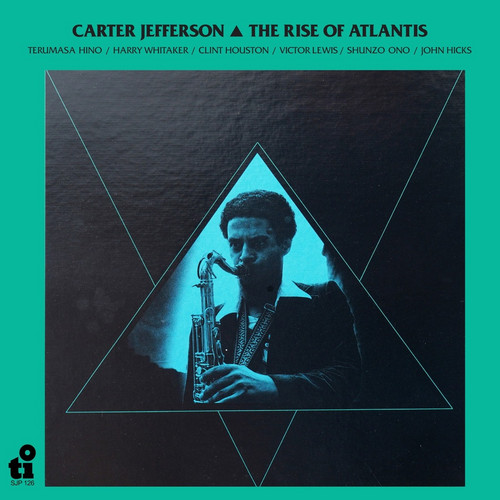
The Rise Of Atlantis
The only album under Carter Jefferson's name, produced by Woody Shaw and recorded in New York over two days in December 1978. Terumasa Hino, Harry Whitaker and Steve Thornton on the first side, Shunzo Ono and John Hicks on the second, Clint Houston and Victor Lewis throughout.
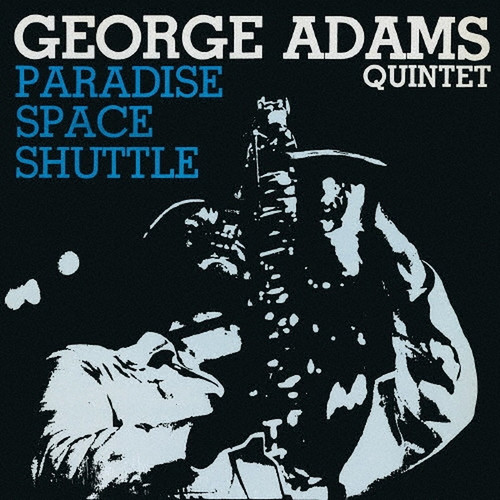
Paradise Space Shuttle
George Adams' first record under his own name for a US audience, cut in one day in New York, 21 December 1979, with Ron Burton, Don Pate, Al Foster and Azzedin Weston. Hard bop, a Sondheim ballad, a Mingus tribute, and the fourteen-minute Funk-a-Roonie Peacock with Adams on flute and voice.
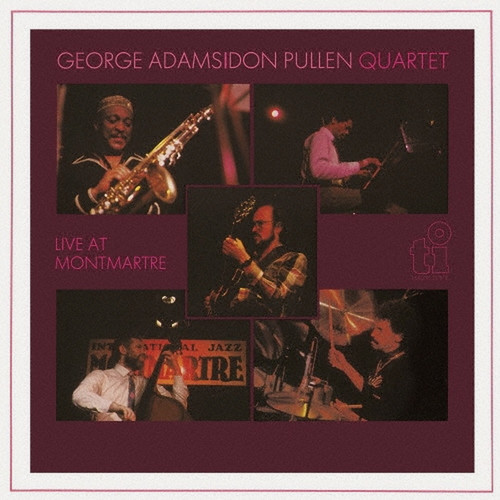
Live At Montmartre
Jazzhus Montmartre, Copenhagen, 4 and 5 April 1985. The George Adams - Don Pullen Quartet with Cameron Brown and Dannie Richmond, and a guest who changes the sound: John Scofield on guitar.
This was the rhythm section of Mingus's Changes One and Changes Two, minus Mingus, and between 1979 and 1989 it was one of the best working bands in jazz. JazzTimes, looking back, wrote that no group before or since bridged avant-garde abandon and gutbucket groove so convincingly, and that everyone who heard …
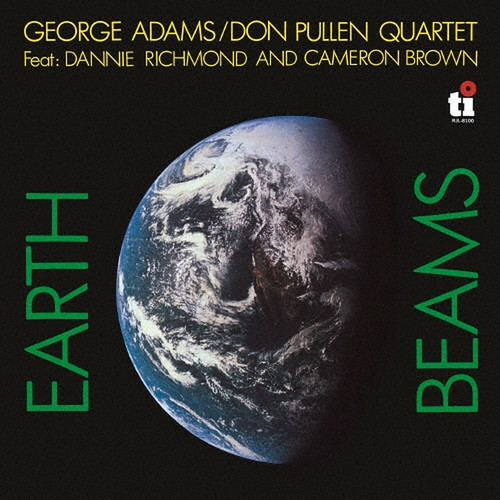
Earth Beams
The first studio album by the George Adams - Don Pullen Quartet, recorded at Fendal Sound Studio in Loenen aan de Vecht, in the Dutch countryside, between 3 and 5 August 1980, and produced by the two leaders themselves for Timeless.
Adams on tenor and flute, Pullen on piano, Cameron Brown on bass, Dannie Richmond on drums. Neil Tesser, in the Playboy Book of Jazz, wrote that the presence of Richmond, Mingus's drummer and protégé for over two decades, made it clear that this band saw itself as ca…
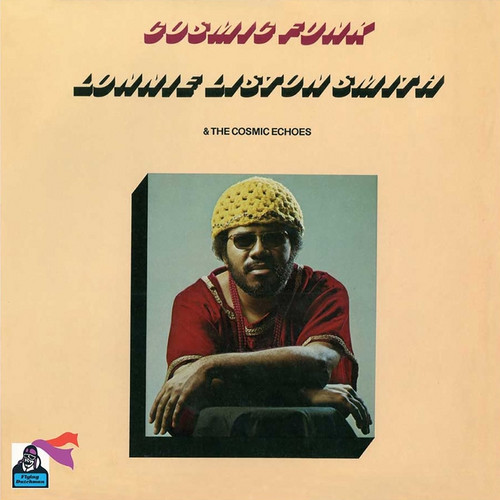
Cosmic Funk
Lonnie Liston Smith's second Flying Dutchman album, April 1974, and the first with the Cosmic Echoes and his brother Donald's voice. Produced by Bob Thiele. Electric piano funk on the title track, Shorter's Footprints, Mtume's Sais, and a sung version of Coltrane's Naima to close.
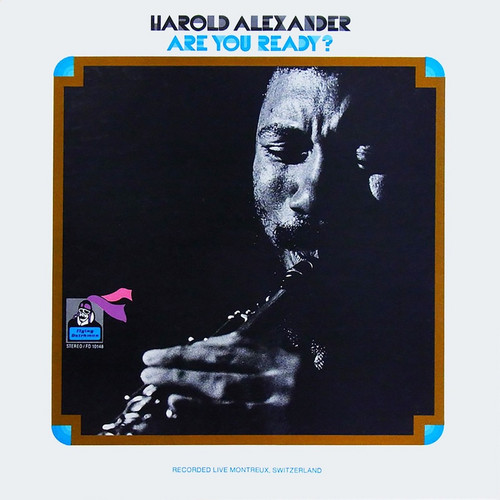
Are You Ready?
Three long tracks, thirty-six minutes, cut live in front of a Montreux crowd. Are You Ready? is Harold Alexander's second and last record for Bob Thiele's Flying Dutchman, released in 1972.
Alexander, from Charlotte, North Carolina, had played with Big John Patton and with Elvin Jones before Thiele signed him. His flute is the main voice here, with soprano saxophone in reserve, and the band around him is the New York session pool of the period: Neal Creque on piano, Cornell Dupree on guitar, Vic…
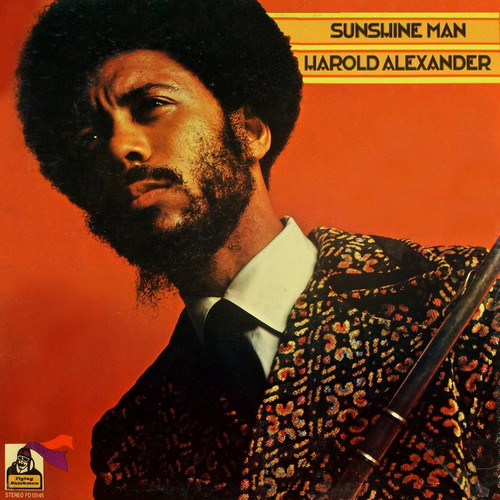
Sunshine Man
Two days in May 1971, produced by Bob Thiele for Flying Dutchman. Harold Alexander on flute and soprano over Neal Creque's electric piano, Richard Davis's bass, Pretty Purdie's drums and Richard Landrum's congas. Contains Mama Soul, the scat-flute track that got him into DJ sets decades later.
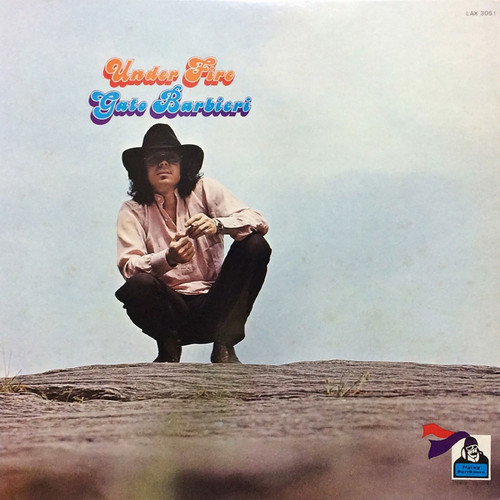
Under Fire
Recorded in New York in 1971, held back by Flying Dutchman until 1973, Under Fire sits between the Montreux live album and Bolivia in Gato Barbieri's run for the label, the years when he was moving away from free jazz and toward the folk material of his continent.
The band is the one AllMusic calls stellar: Lonnie Liston Smith on piano and electric piano, John Abercrombie on guitar, Stanley Clarke on bass, Airto Moreira, James Mtume and Moulay Ali Hafid on percussion, and Roy Haynes on drums for…
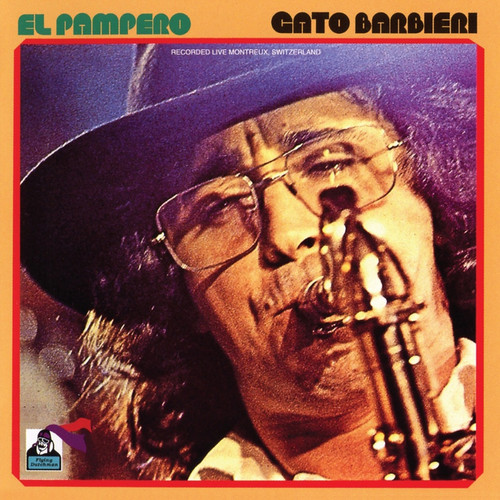
El Pampero
Montreux, 18 June 1971. Gato Barbieri on tenor, Lonnie Liston Smith on piano, Chuck Rainey on electric bass, Bernard Purdie on drums, Sonny Morgan on congas and Naná Vasconcelos on berimbau and percussion. Bob Thiele produced, and Flying Dutchman issued it the same year.
Four pieces and forty-one minutes. The title track, Barbieri's own, runs almost fourteen. Then a Carlos Gardel tango, Mi Buenos Aires Querido, a Brazilian standard, Brasil, and twelve minutes on Atahualpa Yupanqui's El Arriero, …
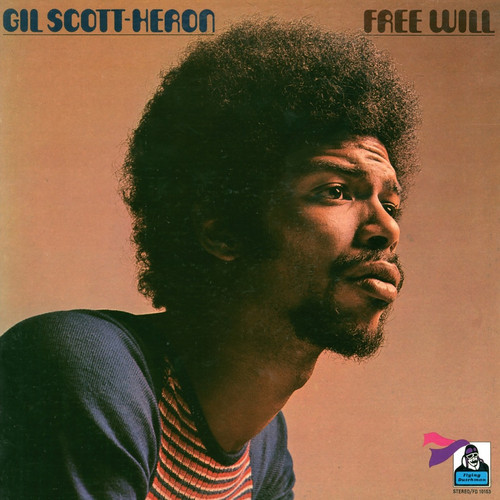
Free Will
Gil Scott-Heron's last album for Flying Dutchman, cut over two days in March 1972 at RCA Studios. One side of songs with Brian Jackson, Hubert Laws, David Spinozza and Pretty Purdie; one side of poems over hand percussion, including No Knock and The King Alfred Plan. Bob Thiele produced.
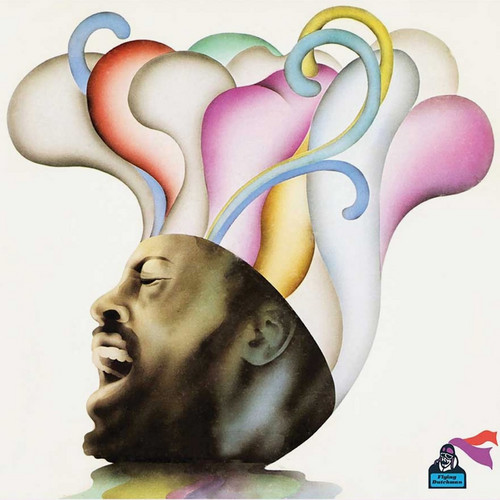
Blues And The Soulful Truth
One day at RCA Studio A, 13 November 1972. Leon Thomas singing, with Pee Wee Ellis, James Brown's former arranger, running the session on saxophones, keyboards, marimba and, per the credits, coat hangers and firecrackers.
The title nods to Oliver Nelson's Blues and the Abstract Truth, and AllMusic's Thom Jurek says the echo is in the vision as well as the name: a tour through the range of Black American music Thomas could sing, proof that he was far more than the free jazz voice of The Creator H…
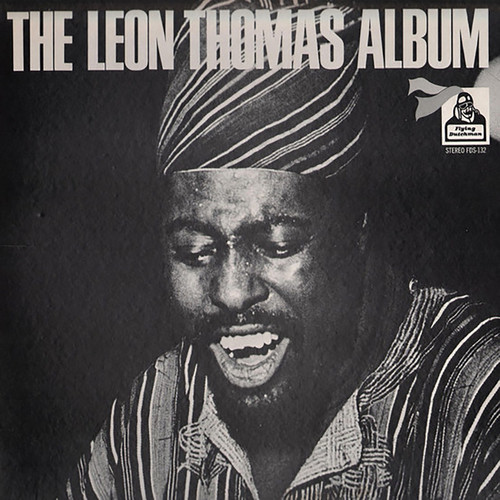
The Leon Thomas Album
Leon Thomas's second album for Bob Thiele's Flying Dutchman, 1970: a horn section arranged by Oliver Nelson, Billy Harper, Howard Johnson, Billy Cobham and Roy Haynes, and two live spiritual jazz pieces, the eleven-minute Um, Um, Um and the side-long Pharoah's Tune (The Journey).
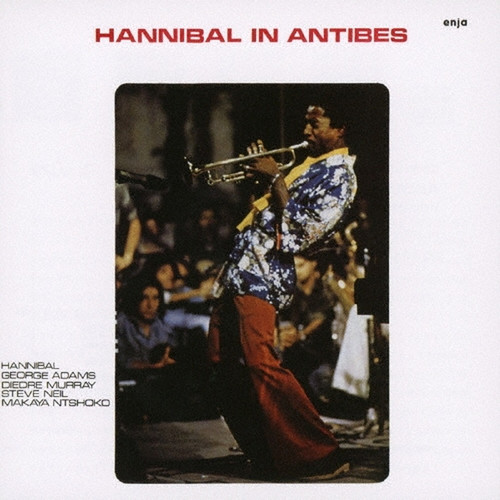
In Antibes
Antibes Jazz Festival, 20 July 1977. Hannibal Marvin Peterson's trumpet, George Adams on tenor and flute, Diedre Murray's cello, Steve Neil on bass, Makaya Ntshoko on drums. Two pieces of about twenty minutes each, Ro and Swing Low Sweet Chariot, recorded for Enja.
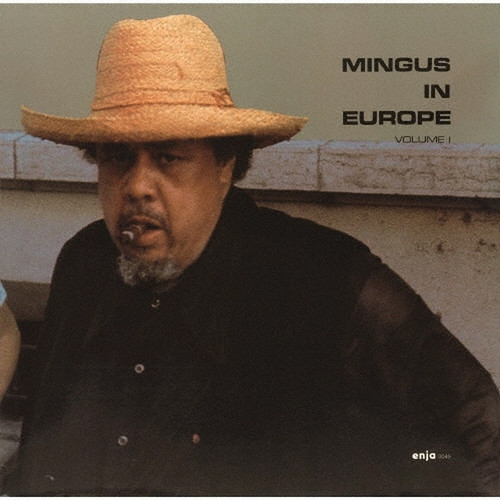
Mingus In Europe Volume I
Wuppertal Stadthalle, 26 April 1964: the Mingus sextet with Eric Dolphy, Clifford Jordan, Jaki Byard and Dannie Richmond, two months before Dolphy's death. A 37-minute Fables of Faubus, the Dolphy-Mingus duet Starting, and Meditations. Issued by Enja in 1980; the CD adds Meditations.
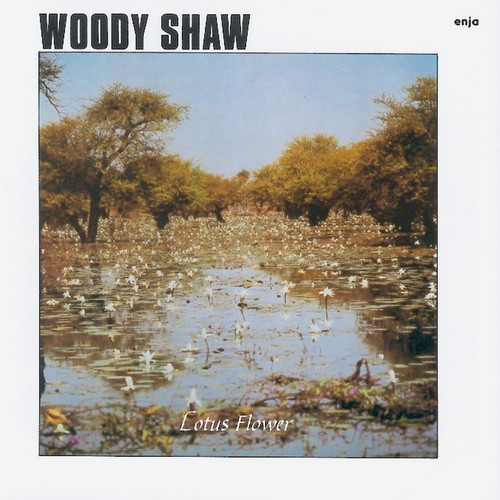
Lotus Flower
One day at Vanguard Studios, New York, 7 January 1982. Woody Shaw on trumpet with the band he had by then been working with for a couple of years: Steve Turre on trombone, Mulgrew Miller on piano, Stafford James on bass, Tony Reedus on drums. Produced for Enja by Horst Weber and Matthias Winckelmann.
Shaw had come off a run of Columbia albums and was six weeks away from the Jazz Forum concerts that Elektra Musician would issue as Master of the Art and Night Music. This is the same quintet in the…
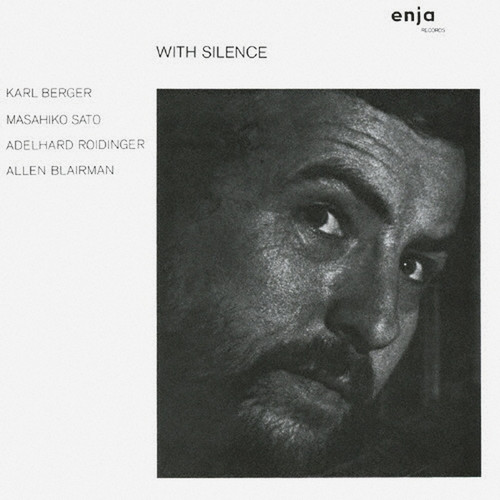
With Silence
Munich, Studio 70, 24 June 1972. Four players who would otherwise never have been in the same room: Karl Berger on vibraphone and marimba, the Japanese pianist Masahiko Sato (the trio Trinity for Enja dates from the same period), the Austrian bassist Adelhard Roidinger, and Allen Blairman, the Pittsburgh drummer who had played with Albert Ayler and was then Mal Waldron's regular in Germany.
Berger had been in Don Cherry's Paris band, had recorded for ESP and Milestone, and in 1972 was founding t…
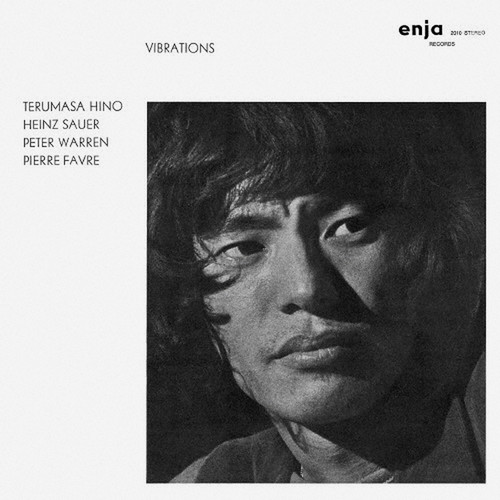
Vibrations
Berlin, 7 November 1971, the week of the Berliner Jazztage. Terumasa Hino on trumpet and flute with the Frankfurt tenor Heinz Sauer, Peter Warren on bass and Pierre Favre on drums, for Enja's second year. Five long pieces, free and arranged in turns, including Into the Heaven and Dig It.
A Tribute To Mal Waldron
Yosuke Yamashita and Mal Waldron knew each other from Waldron's years of touring Japan; in 1985 they would record as a piano duo at the Pit Inn. A Tribute To Mal Waldron comes five years earlier, recorded at Tonstudio Bauer in Ludwigsburg on 17 and 18 June 1980 and released by Enja the same year.
This is the trio Yamashita formed after the Sakata-Moriyama years: Katsuo Kuninaka on bass, Shota Koyama on drums. Four pieces. Three Waldron compositions, Trane's Soul Eyes, a twelve-minute One-Upmansh…
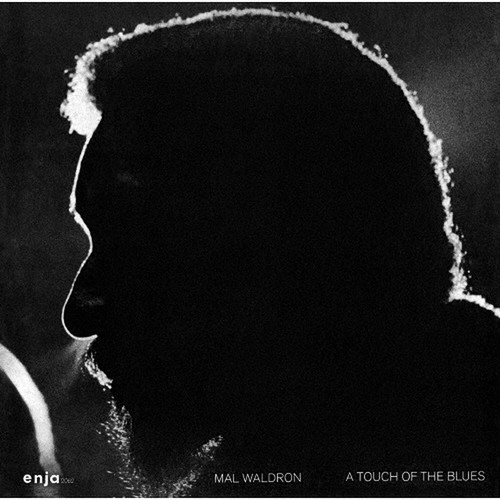
A Touch Of The Blues
Nuremberg, East-West Jazz Festival, 6 May 1972. Mal Waldron's trio with Jimmy Woode, the former Ellington bassist, and Allen Blairman on drums. Three long pieces, all by Waldron, taped live and issued by Enja only in 1975.
Waldron had settled in Europe in 1965 and rebuilt his playing from scratch after a breakdown. By 1972 the new style was fully formed: dark, insistent, built from a few repeated cells that tighten over long stretches. The Enja records from these years (Black Glory, Plays the Bl…