Back in stock
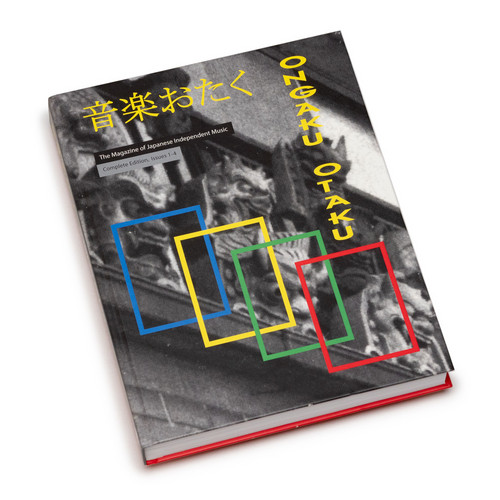
Ongaku Otaku - Complete Edition (Book, Hardcover)
Hardcover, 527 pages, 21×27 cm! In the mid-1990s, four thick, annual issues of Ongaku Otaku magazine were published. Operating from San Francisco, California, the goal was to spread the word about the compelling independent music being produced in Ja…
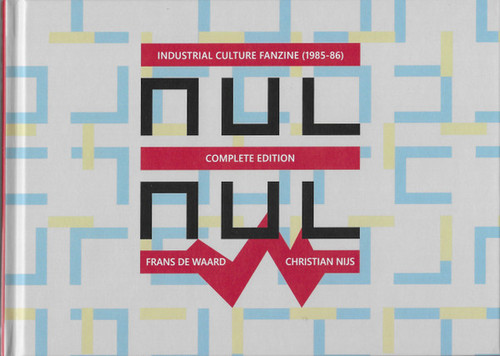
Nul Nul - The Complete Edition
In October 1984, Frans de Waard started his Korm Plastics label and his music project Kapotte Muziek. Shortly after, a fellow student, Christian Nijs, joined him as a musical partner. They quickly released a few cassettes and contributed to internati…

Vital - The Complete Collection 1987-1995
Massive edition, 580 pages, hardcover. Frans de Waard published Vital, a fanzine for electronic and electroacoustic music, from 1987 to 1995. It was a low-budget, Xeroxed publication, bearing the revolutionary instruction: ‘No Copyright Publication. …
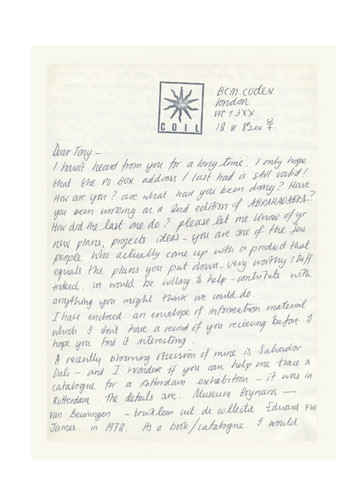
The Abrahadabra Letters 1984 - 1988 (Book)
From 1984 to 1988 Anthony Blokdijk frequently visited Threshold House in London and corresponded with John Balance of Coil about playing live, releasing music and personal affairs. This book collects scans of Balance's original letters, including idi…
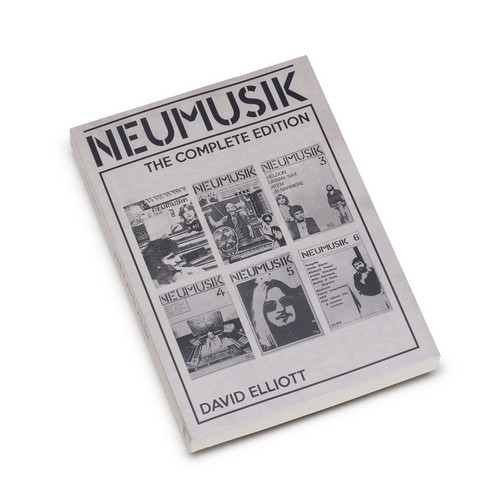
Neumusik - The Complete Edition by David Elliott (Book)
425 pages, softcover, 17x24 cm All six editions of this UK fanzine, 1979-1982 Book containing all six issues of the Neumusik fanzine which David Elliott edited between 1979-82 while at university. The 'zine focussed on European, electronic and exper…

This Is Supposed To Be a Record Label
In 1992, Frans de Waard (of Kapotte Muziek, Beequeen and the Korm Plastics label) was asked to work for Staalplaat, then one of the biggest independent labels for experimental and electronic music. Staalplaat was the home for bands like Muslimgauze, …

We Know How To Hate - The Opus De Society story (Book)
Before the internet collapsed distances and democratized distribution, the international noise underground operated through an intricate web of mail-order catalogs, hand-dubbed cassettes, and photocopied fanzines. Labels emerged from bedrooms and bas…

America's Greatest Noise (Book)
The next book on Korm Plastics contains no photographs of the artists, no list of released records, no pictures of record sleeves, and no footnotes. It is not a hardcover, not on glossy paper and is not expensive. It’s… ‘America’s Greatest Noise’ tel…

BBC Jazz Club Session April 1965
On BBC Jazz Club Session April 1965, Don Rendell and Ian Carr capture a historic broadcast moment where British modern jazz finds its new voice. The debut of pianist Michael Garrick within the quintet injects modal colour and compositional bite into …
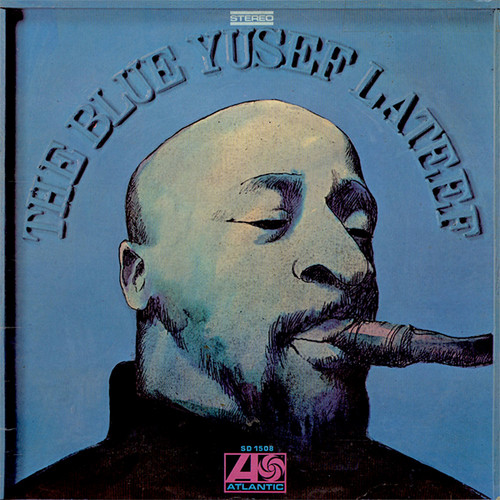
The Blue Yusef Lateef
** High Quality reissue. Remastered using pure analogue components only, from the master tapes through to the cutting head ** On The Blue Yusef Lateef (1968), listeners get an amazing chapter from the late '60s, an amazing period when everything in t…
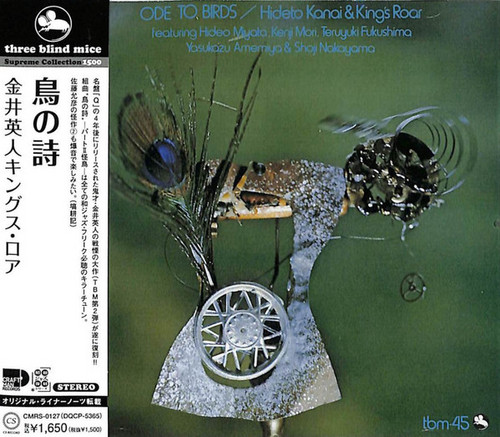
Ode To Birds
"Hideto Kanai's first album is fairly hit-or-miss free jazz, but here he's in full-blown Black Saint and the Sinner Lady mode. There are twenty three musicians on this album (twenty three!), and while the undercurrent of free jazz is still running th…
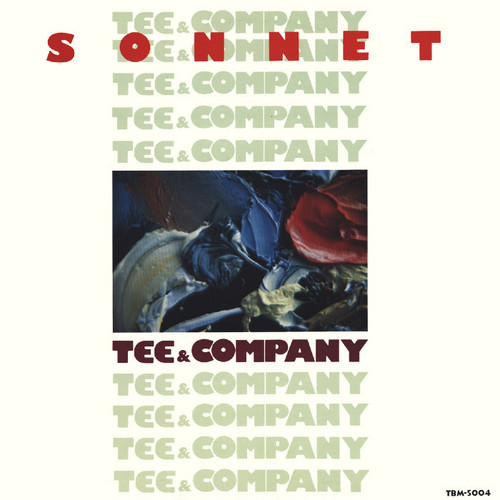
Sonnet
"Tee" in Tee and Company is the nickname of Three Blind Mice's founder and producer Takeshi Fujii, who formed the all-star group of eight top Japanese jazz musicians in 1977 for a series of concerts and seven days of studio recording that produced th…
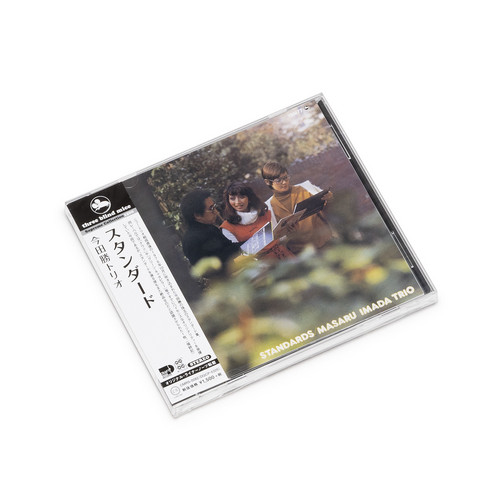
Standards
2026 Repress. Sublime release from Masaru Imada Trio. Imada's got a way of letting a tune really find its way organically – almost as if the songs here are little flowers opening up in his fingers on the keyboard of the piano – although never in a st…
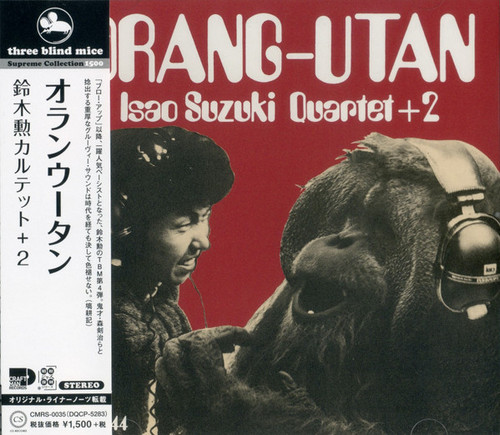
Orang-Utan
Bassist Isao Suzuki's popularity shot up to stratosphere with the release of Blow Up from the Three Blind Mice label. By the time he recorded this, fourth album for the label, he was actually the winner of the Swing Journal Readers' Poll. And this ra…
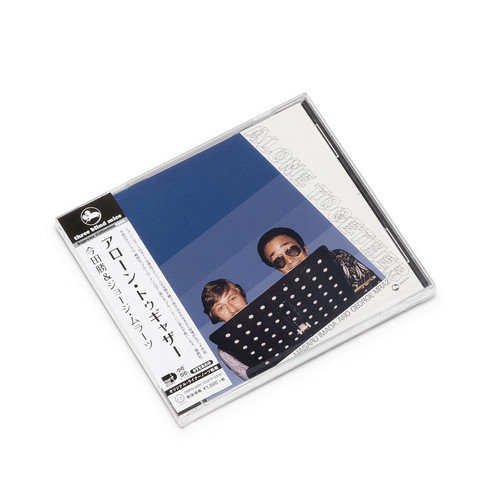
Alone Together
A piano-bass duo session cut in a single day at Tokyo's Onkio Haus on 24 October 1977, during one of the bassist George Mraz's rare passages through Japan. The format leaves nowhere to hide and the two players treat that exposure as the point of the …
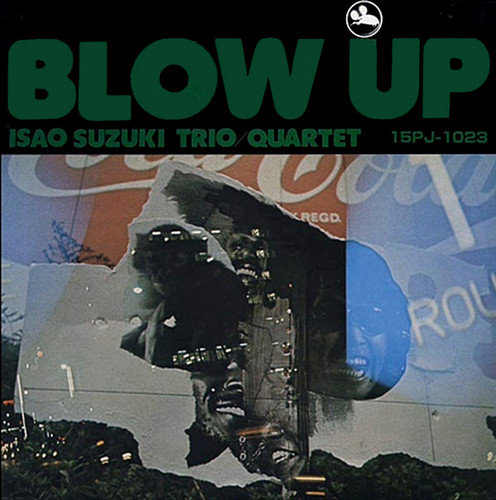
Blow Up
A fantastic electric album from one of the most unique bassists of the 70s – Blow Up is one of the most sough-after titles from the acclaimed Three Blind Mice catalog. Isao Suzuki's Blow-Up is virtuosity and class all rolled up into one. A great comb…
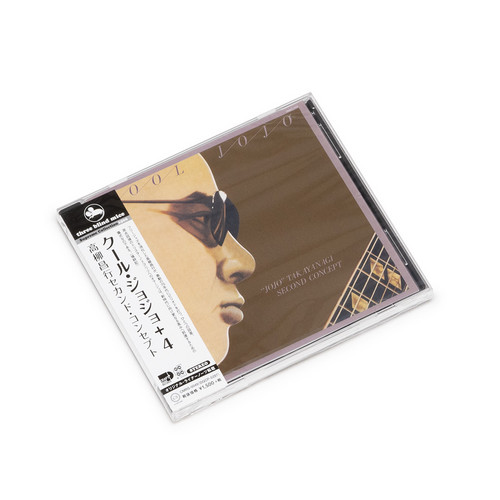
Cool Jojo
2026 Repress. Recorded over three December days in 1979 at Epicurus Studio in Tokyo and issued the following year, Cool Jojo documents a side of Masayuki "Jojo" Takayanagi that sits at considerable remove from the noise-as-method work he was simultan…
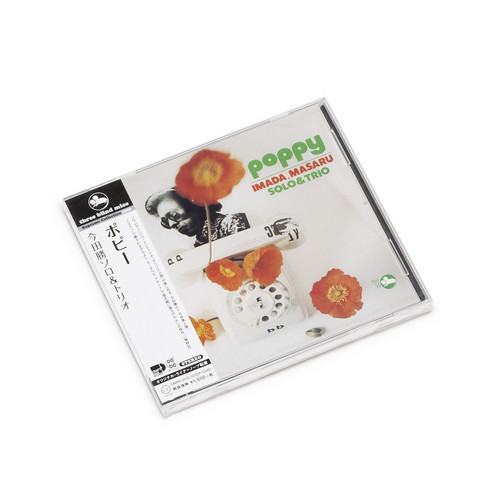
Poppy
Imada's second outing for Three Blind Mice, recorded across two January days in 1973 at Tokyo's Aoi Studio under Takeshi "Tee" Fujii's production. The record's structure follows from a negotiation between artist and producer: Masaru Imada had propose…
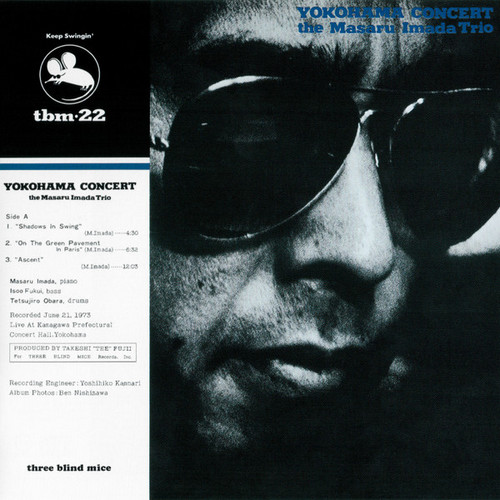
Yokohama Concert
Stunning duo comprised of two of the most important musicians of the Japanese underground/avant-garde, Otomo Yoshihide in a duo with the great Japanese drummer, Hiroshi Yamazaki – who has Kaoru Abe among his extensive list of past collaborators, and …
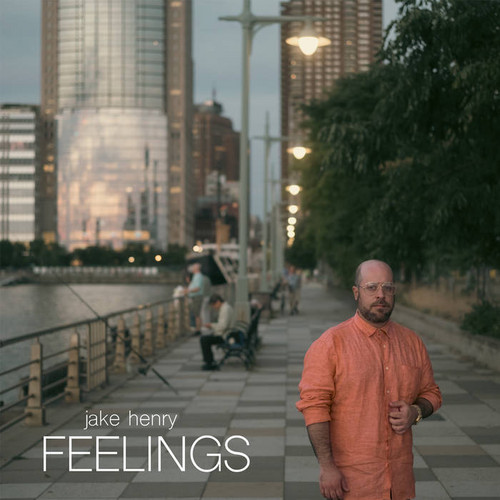
Feelings
Feelings marks Jake Henry’s long-awaited return as a leader, more than a decade after his debut with Sweet Talk Glitterbomb. This album is a deeply personal exploration of the intricate harmonic language and angular counterpoint Henry developed durin…