Back in stock
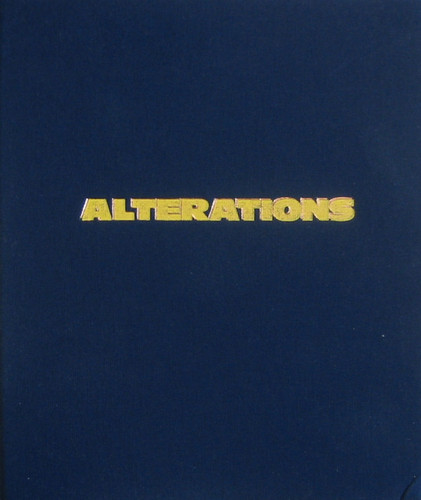
Alterations
Wow! This is just something else: a 4 CD box of previous unreleased astonishing archival works by legendary Alterations, released in a edition of 50 copies (no jokes, Fifty! And these are proper CDs!). Every box is unique, designed and handmade by visual artist Blanca Regina, also containing a 32-pages booklet and 5 postcards with work of Terry Day and photographs of Gerárd Rouy. I am in awe...
Pioneering free improvisation and sound art Alterations was a collective of four British impro…
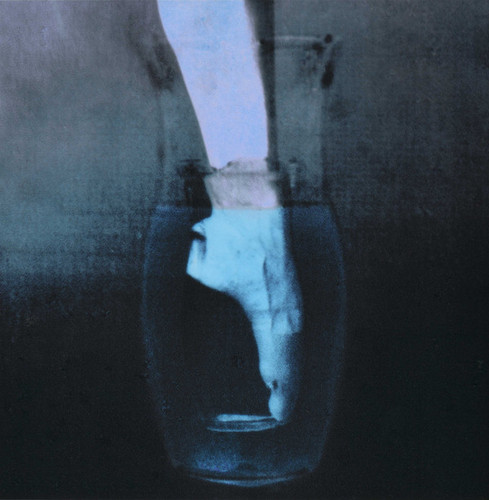
The Shape Of The Dance
The London-based duo Tomaga are back with a new record. The Shape of the Dance is their second full length album, a follow-up to Futura Grotesk, which was released in 2014 with Hands in the Dark. The instrumental, experimental tracks compiled on this new opus evoke something which feels closer to the band’s impressive live performances than their previous recordings. The spiralling polyrhythmic percussion, performed with a range of materials, the vibraphone, the frenetic bass, the organ and o…
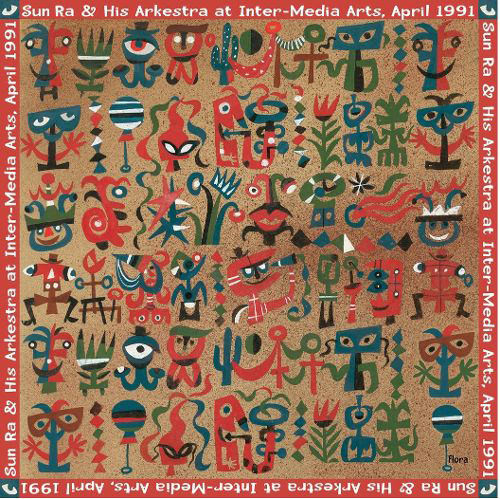
Live At Inter-Media Arts
Triple LP version. A stunning live Sun Ra event, recorded at the Inter-Media Arts Center in New York, April 20, 1991! Modern Harmonic proudly presents this very special Sun Ra recording, issued here for the first time ever! This concert was just two years before Ra’s “earthly departure” – and his keyboard work was amazingly strident and vibrant here. The Arkestra was in perfect form as well; this special night also showcased the Arkestra’s vocal magnificence with selections and sections powerful…
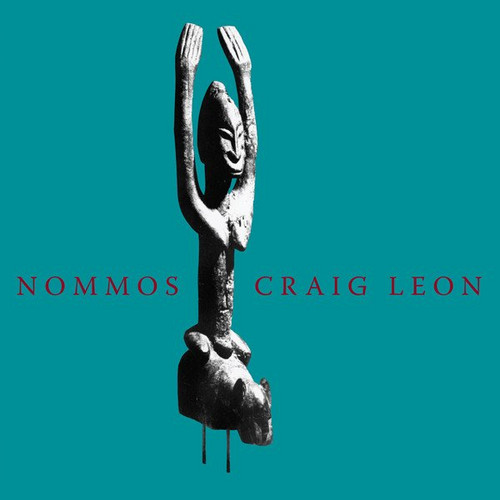
Nommos
Restocked! First appearing incongruously on John Fahey's Takoma label in 1981, Nommos remains enshrouded in impenetrable mystery – from its understated artwork to the rich assemblage of analog synths contained inside. According to Head Heritage, Nommos is the "missing link between the proto-industrial rhythm and drone of Suicide and the whole minimalist drone / static / repetition method of Terry Riley and La Monte Young." Best known as a producer, CRAIG LEON worked on landmark debuts from SUICI…
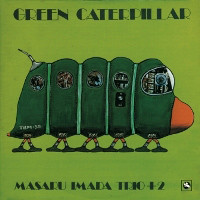
Green Caterpillar
Pianist Imada Masaru was 42 years old when he recorded this album in 1975. His adventurous spirit led him to use the electric piano for the first time in a recording, and thanks to his musicianship, he made it sound like he'd been playing the instrument for years. The program opens with the title track, a sophisticated urban funk. Guitarist Kazumi Watanabe plays a big role here. It is followed by a more intricate, fusion-like "Straight Flash."The all-original-composition program switches gear on…
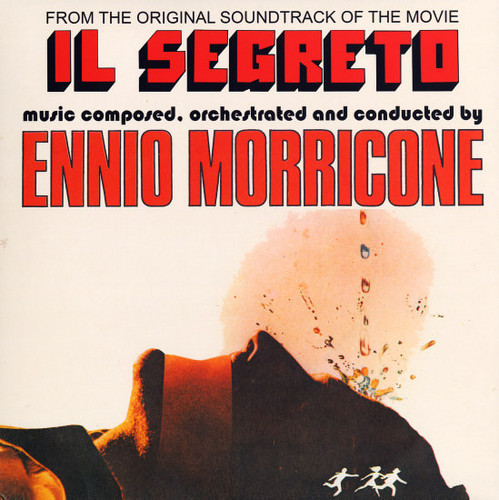
Il Segreto
Il Segreto is a noir film directed in 1974 by Robert Enrico and starring Jean-Louis Trintignant, Marlène Jobert, Philippe Noiret, Solange Pradel, Antoine Saint John, Jean-François Adam. The Ennio Morricone music reflect the noir atmosphere of the plot where a veritable subtle "manhunt" against three people is unleashed. Suspense music on the border of the avant-garde experiments (harps with echoes) is alternated to a nostalgic motif with the voice of Edda Dell'Orso. At the time, only a 45…
Sarcelle Locheres
Finally in stock! First in a series of ten reissues of the cult French underground Futura label. Fully licenced by Gerard Terrones, this is the first official vinyl reissue of “Sarcelles-Lochères”, the unique album of French underground heroes Red Noise led by Patrick Vian. It is a unique blend of free jazz and rock with highly political and satyrical lyrics. The highlight of the album “Sarcelles c’est l’avenir” is an epic journey into proto noise territories which prefigures the decades of soni…
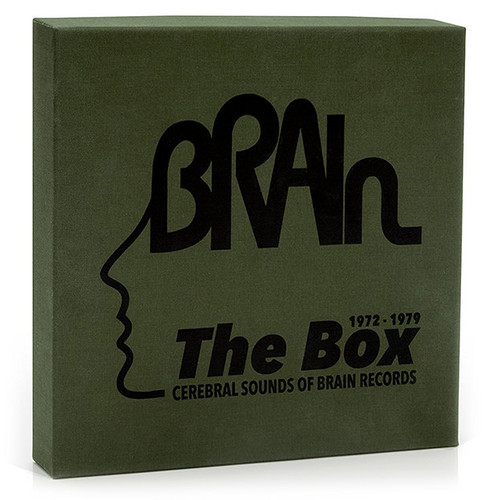
Cerebral Sounds Of Brain Records 1972-1979
Founded in 1972, German label Brain now commands a status and reputation among listeners and collectors all over the world that would have been unimaginable at the time. Today, it is regarded as one of the most important label outlets for German rock music of the 1970s, a genre generally referred to as krautrock, although the term hardly does justice to the range of styles covered by these groups and their records. In any case, it was coined by the English media and only became popular as…
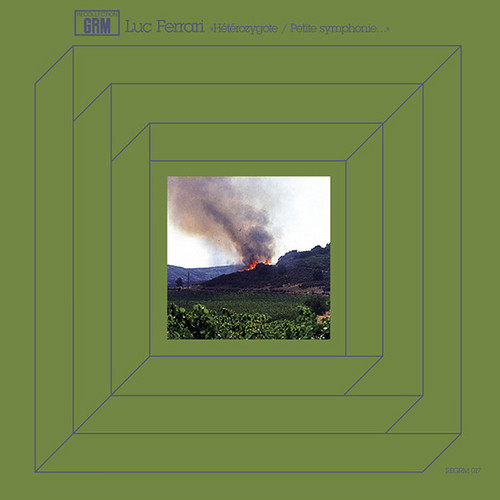
Heterozygote / Petite Symphonie...
In the field of biology Heterozygous (Hétérozygote) means: a plant whose heredity is mixed. It implies that Hétérozygote, composed between December 1963 and March 1964, is an attempt to engineer a language located both on the musical and on the dramatic plane. You could call this music "Anecdotal Music" for if the organization of events is purely musical, their choice suggests situations justified at two levels: the music and the anecdote. Luc Ferrari explains the piece Petite Symphonie Int…
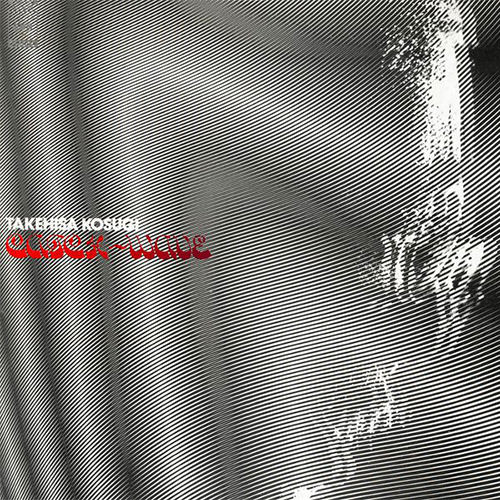
Catch-Wave
Takehisa Kosugi is an inter-media artist and performer who started his career back in the '60s in Tokyo. With his first band Group Ongaku (free anarchist-conceptual improvisations) he was introduced to the Fluxus avant-garde movement. During the '70s, he was a member of the mystical, psychedelic, droning rock band Taj Mahal Travellers. He co-founded the band in 1969. Since the end of the '70s until now, he has released several solo albums and commissioned works for events and sound installa…
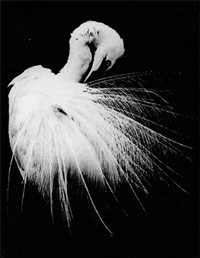
Current logic
First release for the new solo project of Riccardo Mazza (Lettera 22) working with a singular mix of claustrophobic tones and spectral samples.Started as a simple study about rythm, the project has gradually integrated the use of field recordings and reverberating drone sounds which add to the compositions a deep, gristle and dramatic feel.
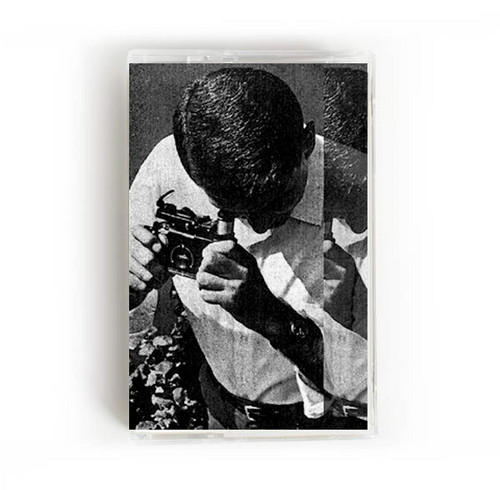
Grand Piano
Failed plans generate frantic electroacoustic responce. Edition of 100 Lettera 22 use extreme textures and dynamics to build up high levels of abusive tension, only to send them crashing down in a cacophony of broken beer bottles and urban scrap, leaving behind a skeleton of seething silence and tape hiss. A seedy and voyeuristic recording, akin to witnessing a beating in a dark alley.
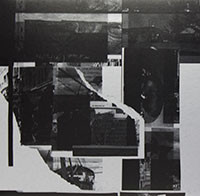
Heteronormativ Musik For Att Starka Medelklassens Sjalvbild
If the term "noise" still makes sense in 2016 it is thanks to figures as Tommy Carlsson and his project Treriksröset.Since the beginning of 2000s Tommy had offered some of the most inspired harsh noise ever heard. Simple and complex at the same time the sound of Treriksroset is pushing the boundaries of the genre, and except the pure harsh noise output he can also experiment with low-key electronic or dig with static frequency studies as he did in a series of cassette releases together with Sewe…
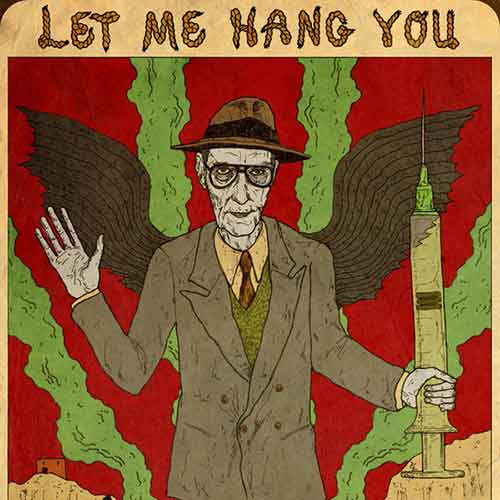
Let Me Hang You
“Twenty years ago, William S. Burroughs was asked to record an audio version of his favorite parts of Naked Lunch. Longtime associates and producers Hal Willner and James Grauerholz produced several sessions, and they recruited a team of world class musicians to help. Famed for their Naked City involvement, Bill Frisell and Wayne Horvitz contributed their genius, as well as Eyvind Kang, just to name a few. The recordings were then abandoned and collecting dust on a musty shelf, as forgotten as a…
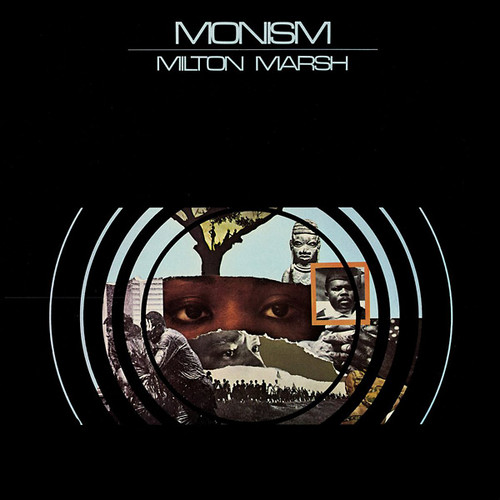
Monism
Finally reissued, this mega rare spiritual jazz by reed player Milton Marsh – one of the harder-to-find albums on Strata East – and one of just a couple incredible records to Marsh's name! Obscurity aside, this is prime Strata East. In 1975, Milton Marsh released his first album Monism for the Strata-East label. Marsh, a composer, arranger, saxophonist and flautist, recorded the album in New York City from 1973-1974. The musicians on Monism represent some of the finest living in NYC at t…
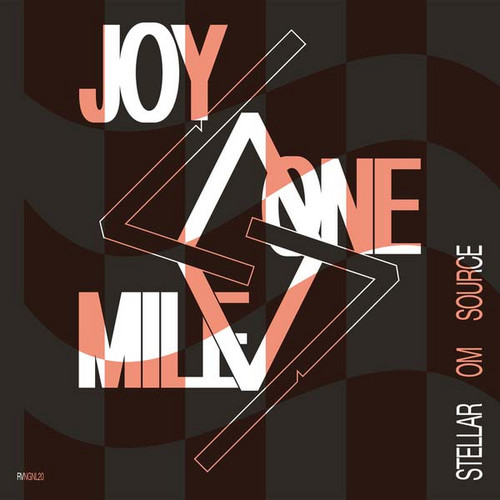
Joy One Mile
Eagerly anticipated full-length on RVNG Intl. from Christelle Gualdi's Stellar Om Source, marking a significant departure from the no-age synthcraft she's long been known for and has showcased on numerous self-released CDRs and sides for the likes of Olde English Spelling Bee and Big Love. Joy One Mile began life when Gualdi acquired a mint Roland TB-303 and began experimenting with it; over the course of a year's gigging, she perfected seven compositions which she then laid down live, without o…
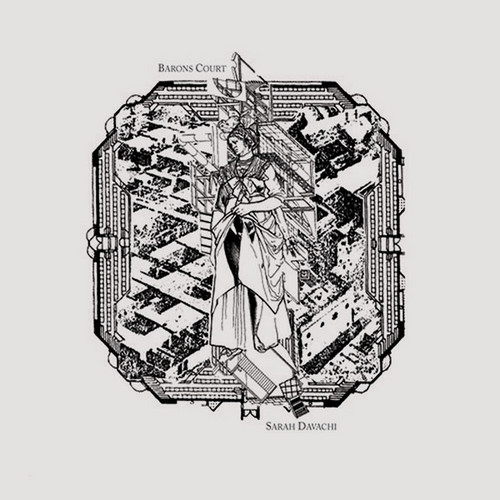
Barons Court
2015 release. "Barons Court" is the debut full length album by Canadian electroacoustic composer Sarah Davachi, following short run releases on Important Records’ Cassauna imprint and Full Spectrum. Trained at Mills College, Davachi’s work marries an academic approach to synthesis and live instrumentation with a preternatural attunement to timbre, pacing, and atmosphere. While the record employs a number of vintage and legendary synthesizers, including Buchla’s 200 and Music Easel, an EMS …
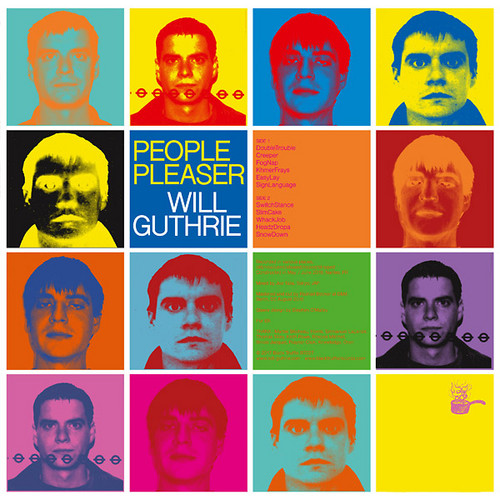
People Pleaser
Nantes, France-based drummer and percussionist Will Guthrie presents People Pleaser. Initially rising to prominence in Australia as a drummer in the fields of jazz and improvised music, Guthrie later turned increasingly toward electronics and amplified percussion, developing an idiosyncratic style of electroacoustic performance characterized by shimmering metallic textures, rapid-fire textural transformations, and aggressively high volume. Guthrie has since returned to the drum kit in both…

Live in Frankfurt 82
Bitter Funeral Beer Band was a unique band with an early world music with an own identity that mixes african funeral music and improvisation with a nordic touch that has not existed before or after the few years in the 80’s that the band was active. Led by Bengt Berger who had studied a couple of years in Ghana, the band based a lot of the music on the funeral music concept of the Lo-Birifor people of northern Ghana.The band did its first cd, Bitter Funeral Beer, on ECM and then one more,…
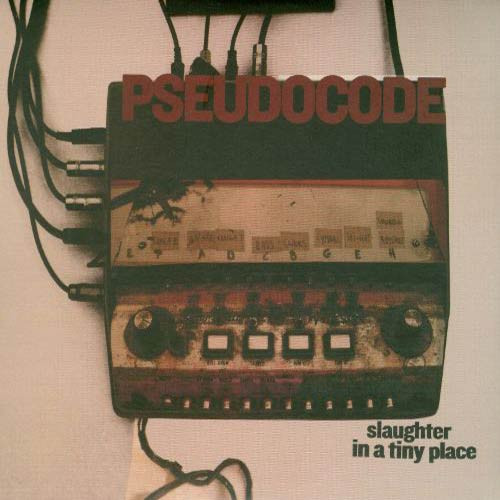
Slaughter In A Tiny Place
Pseudocode was a Belgian electronic improvised music band, active from 1980 to 1982, featuring Xavier S (Thrills), Guy-Marc Hinant (Sub Rosa co-founder) and Alain Neffe (Insane Music, Bene Geserit). While Xavier S contributed most of the lyrics and vocals, it was Guy-Marc Hinant who often played the core melody on his Pianet electric piano. Neffe's contributions are particularly noteworthy throughout, as he weaves together the bulk of the sonic cloth through overdubbing and mixing. None of …