Voice
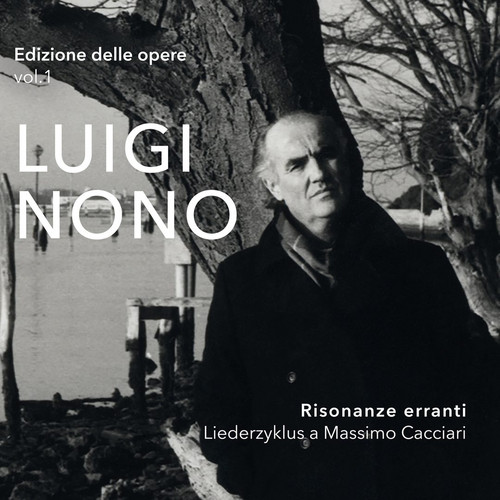
Risonanze Erranti
Luigi Nono's Risonanze erranti, the 1986 song cycle for Massimo Cacciari on texts by Melville and Bachmann, for mezzo, flute, tuba, percussion and live electronics: Ensemble Prometeo and the SWR Experimentalstudio. SACD.
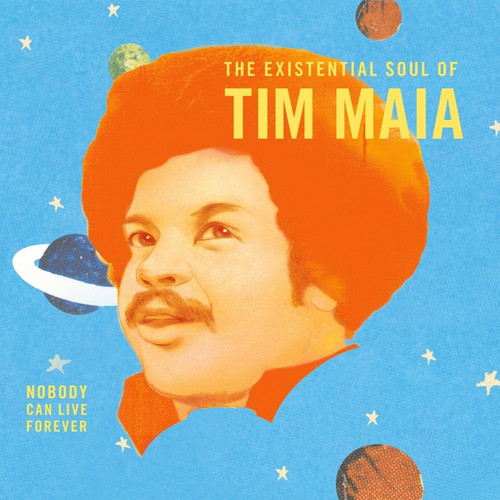
Nobody Can Live Forever: The Existential Soul of Tim Maia
In the early 1970′s, Brazilian popular music was approaching a high water mark of creativity and popularity. Artists like Elis Regina, Chico Buarque and Milton Nascimento were delivering top-shelf Brazilian pop, while tropicalists Caetano Veloso, Gilberto Gil and Os Mutantes (see World Psychedelic Classics 1) were entertaining the college set with avant-garde fuzz-pop poetry. Enter Tim Maia with a massive cannonball into the pool. It was the only dive Tim knew. Standing just 5’7 (6′ with the Afr…
Complete Cello Works
Roger Reynolds's complete works for cello, on 2CD and composer supervised, with many first recordings, played by Alexis Descharmes with Ensemble Court-circuit, violin, electronics and piano, and readings by the composer.
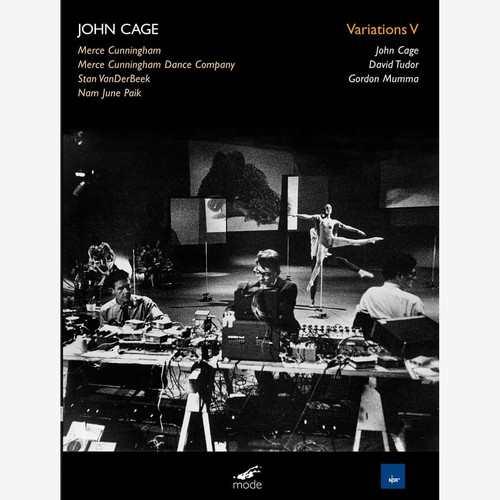
Variations V
First commercial release of John Cage's Variations V, the 1966 NDR Hamburg television production with David Tudor, Gordon Mumma and the Cunningham Dance Company, with the Paris 1966 audio, dancer interviews and a 12-page book.
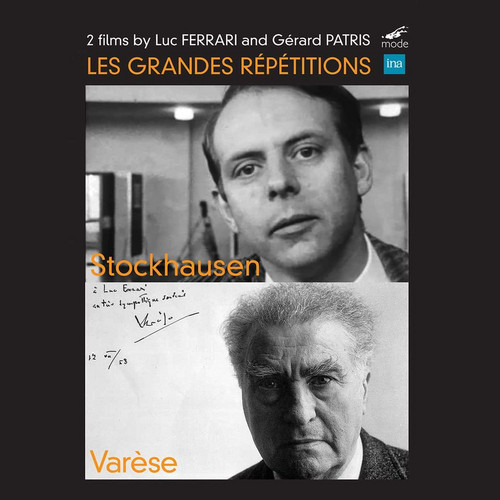
Les Grandes Répétitions
DVD of two filmed portraits made by Luc Ferrari and Gérard Patris for French TV in the 1960s: Stockhausen rehearsing Momente, and Hommage à Edgard Varèse, released here for the first time with English subtitles.
The orchestral works 1
Scelsi Edition volume 2: three rarely recorded orchestral works, Hymnos, Hurqualia and Konx-Om-Pax, played by the Carnegie Mellon Philharmonic under Juan Pablo Izquierdo, with selections from Canti del Capricorno sung by Pauline Vaillancourt and Douglas Ahlstedt.
La journée de l'existence
Wyschnegradsky's visionary poem for narrator and orchestra, conceived in 1916 and first heard only in 1978: the live premiere with Mario Haniotis and the Orchestre Philharmonique de Radio-France, plus interviews with the composer.
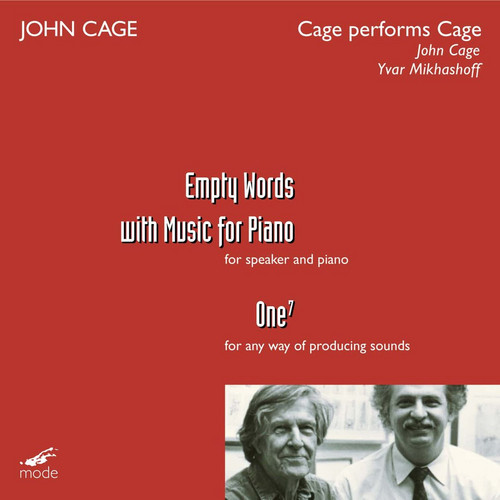
Cage Performs Cage
Mode's 200th release: John Cage himself performs Empty Words together with Music for Piano (with Yvar Mikhashoff) and the solo work One7, recorded at Buffalo in April 1991 and released for the first time.
Treatise (Prague Version, 1967)
Cornelius Cardew's graphic score Treatise in the only performance of its 2-hour version, recorded live in Prague on 15 October 1967 by the QUaX Ensemble directed by Petr Kotik, remastered from the original analog tape.
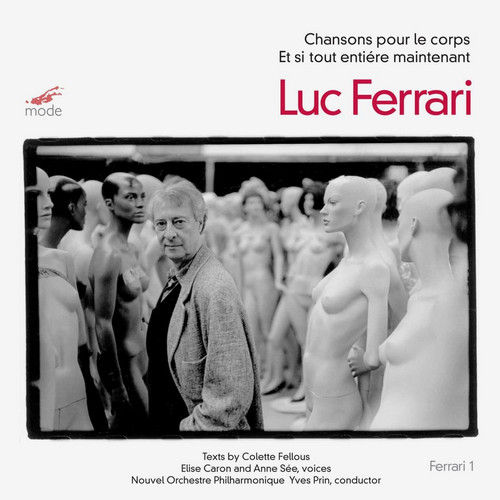
Volume 1: Chansons Pour Le Corps
First volume of Mode's Luc Ferrari series: Chansons pour le corps, built on interviews with women recorded in the Jardin du Luxembourg, and the symphonic tale Et si tout entière maintenant for actress, tapes and orchestra.
Kikuri/Pulverized Purple
Keiji Haino and Masami Akita as Kikuri, live at Victoriaville on 21 May 2007: guitar, voice, strings and drums against electronics and computer, in their first concert together outside Japan.
Silenced Voices
Four recent works by Frank Denyer for very quiet voices and rarely combined instruments, including muted strings, flute, clarinet and percussion, played by The Barton Workshop under Denyer and James Fulkerson.
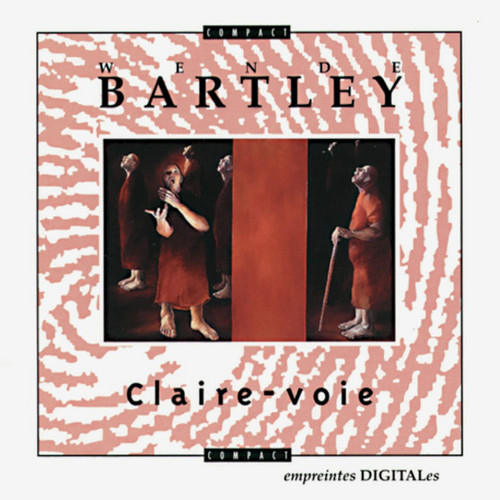
Claire-Voie
Four works by the Toronto composer Wende Bartley from 1985 to 1993, built on voice and on the collective story of women: lunar mythology with mezzo-soprano Fides Krucker, Balkan songs stretched by granular synthesis, a Javanese gamelan turned to breaking ice.
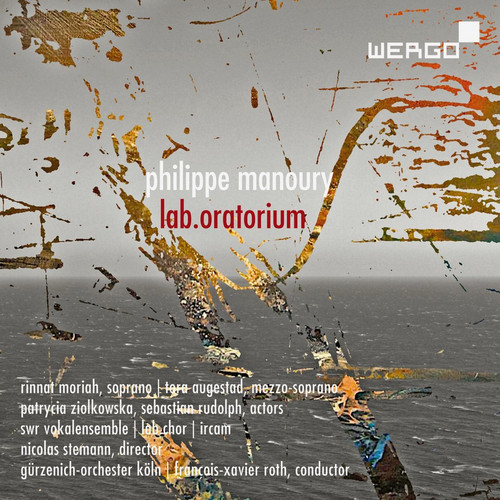
Lab.Oratorium
First recording of Philippe Manoury's Lab.Oratorium (2019) for actors, soprano, mezzo-soprano, choirs, live electronics and orchestra, on the deaths of refugees in the Mediterranean, with the Gürzenich Orchestra conducted by François-Xavier Roth, directed by Nicolas Stemann.
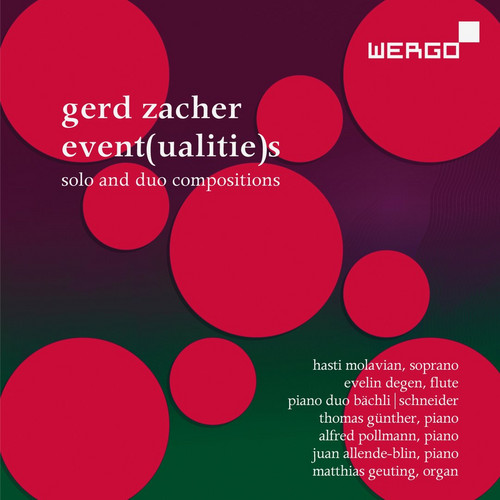
Event(ualitie)s
Double album of solo and duo works by organist-composer Gerd Zacher, all first recordings, including 75 Event(ualitie)s for organ with Juan Allende-Blin's Siebeneinhalb Dezennien, played by Matthias Geuting, Hasti Molavian, Evelin Degen, Allende-Blin and others.
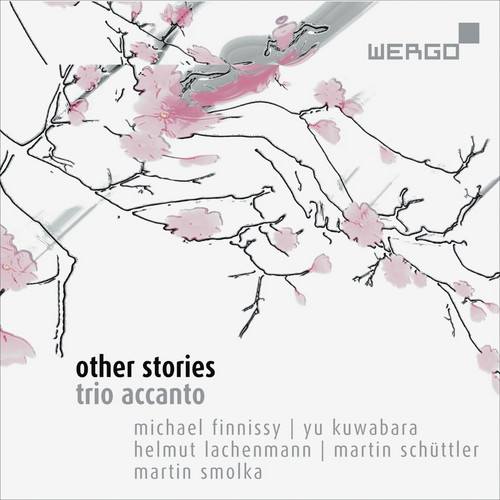
Other Stories
Works for saxophone, piano and percussion by Helmut Lachenmann, Martin Schüttler, Yu Kuwabara, Martin Smolka and Michael Finnissy, played by Trio Accanto (Marcus Weiss, Nicolas Hodges, Christian Dierstein), with Lachenmann as voice. An SWR production, 2020.
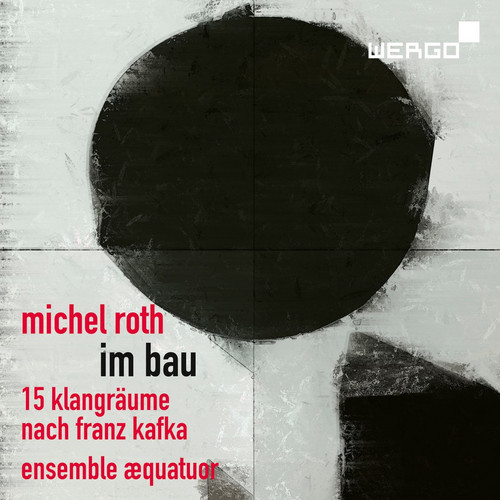
Im Bau
First recording of Michel Roth's Im Bau, fifteen sound spaces after Kafka for mezzo-soprano, ensemble and live electronics, in its radiophonic version, with Anne-May Krüger and ensemble æquatuor, recorded in Basel in 2017.
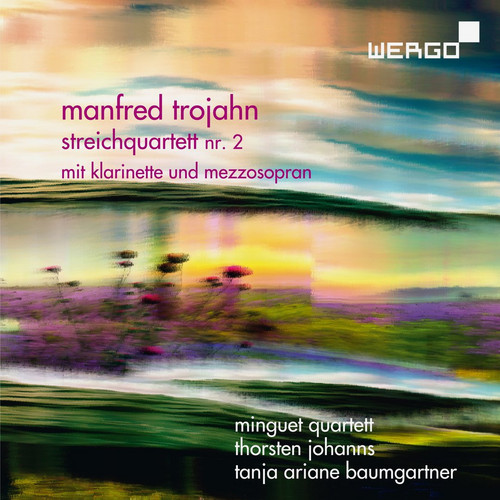
Streichquartett Nr. 2
First recording of Manfred Trojahn's String Quartet No. 2 (1979/80) with clarinet and mezzo-soprano, setting three poems by Georg Trakl, played by the Minguet Quartett with Tanja Ariane Baumgartner and Thorsten Johanns. Co-production with Deutschlandradio, 2019.
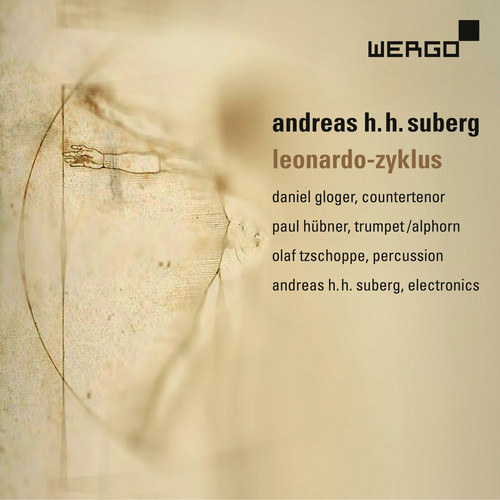
Leonardo-Zyklus
Andreas H. H. Suberg's Leonardo-Zyklus, ten music scenarios after Leonardo da Vinci's prophecies, for countertenor (Daniel Gloger), trumpet and alphorn (Paul Hübner), percussion (Olaf Tzschoppe) and electronics (Suberg). Recorded September 2017.
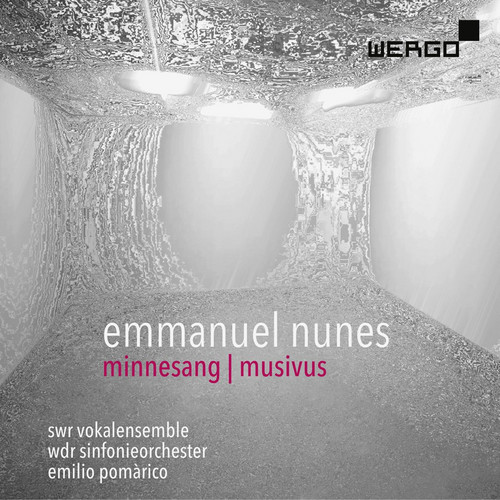
Minnesang für zwölf Stimmen / Musivus für Orchester
Emmanuel Nunes's Minnesang for twelve voices a cappella on texts by Jakob Böhme (SWR Vokalensemble, prepared by Marcus Creed) and Musivus for orchestra in four groups (WDR Sinfonieorchester), conducted by Emilio Pomàrico.