Voice
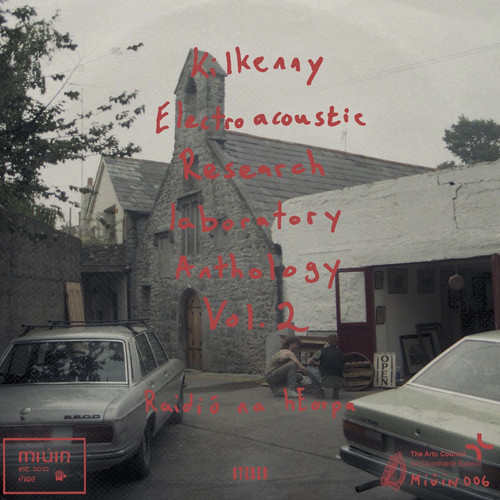
Kilkenny Electroacoustic Research Laboratory Anthology Vol. 2 - Raidió na hEorpa
Second volume of Miúin's Kilkenny Electroacoustic Research Laboratory anthology, turning to the music cultures around the lab, including commissions by its engineer Tony Quinn. Cassette with book and A3 poster, curated by Neil P. Quigley.
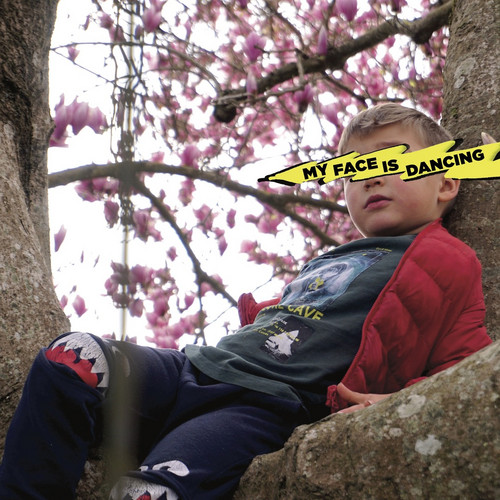
My Face Is Dancing
Debut by My Face Is Dancing, the family collective led by drummer and producer Federico Ughi with his young sons: avant-soul and abstract hip hop built from recordings made across the children's early years. Black vinyl, 100 copies.
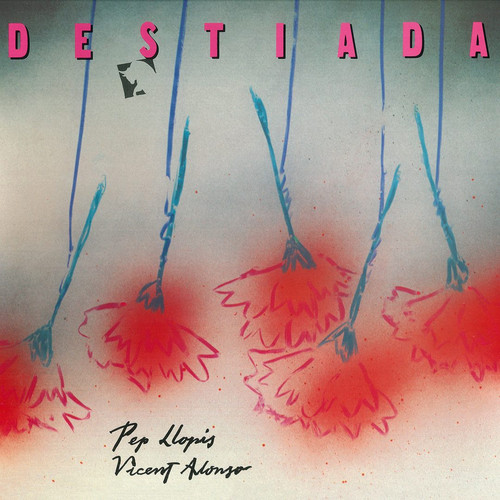
Destiada (Banda Sonora Original)
The 1984 soundtrack for dance-theater performance Destiada marked Pep Llopis’ debut score for avant-garde Valencian company Ananda Dansa, and initiated a creative partnership that would continue throughout the ensuing decades.The dance is structured as a lyrical fable about the struggle between life and death as seen through the crimson-tinted lens of the Spanish bullfighting tradition. Llopis and Vicent Alonso, a fellow Spanish composer, instrumentalist, and longtime collaborator, were inspired…
Renascent
The twenty-eighth Durutti Column album and the first in sixteen years, produced by Keir Stewart: Vini Reilly's guitar among warm ambient washes, piano and quiet beats, with guest vocals from Caoilfhionn Rose. Deluxe gatefold on transparent bottle green vinyl.
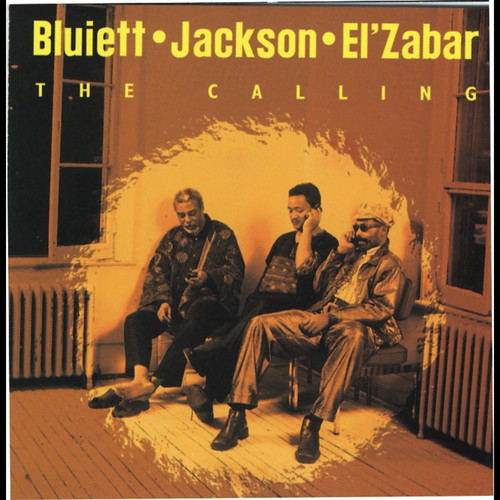
The Calling
Hamiet Bluiett's baritone, D.D. Jackson's piano and organ, Kahil El'Zabar's drums, kalimba and voice. Recorded live in the studio in Montreal in October 2000 with no overdubs, The Calling runs on call-and-response, church organ and blues, with Bluiett switching to wooden flute and contra-alto clarinet.
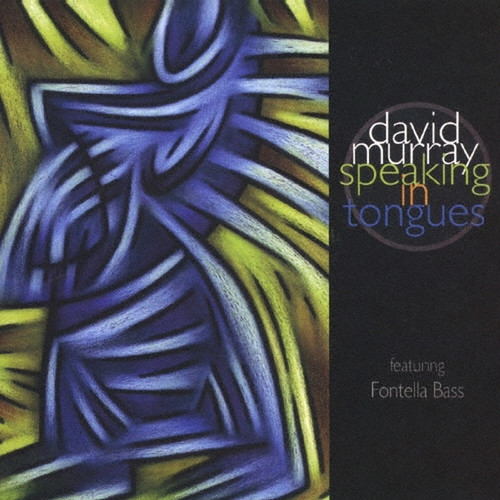
Speaking In Tongues
One day in a Paris studio, December 1997. David Murray goes back to the gospel church of his Berkeley childhood with Fontella Bass, the voice of Rescue Me and the Art Ensemble's Theme de Yoyo, over Hammond B3, electric bass and guitar. Amazing Grace, How I Got Over, and Murray's own twelve-minute Missionary.
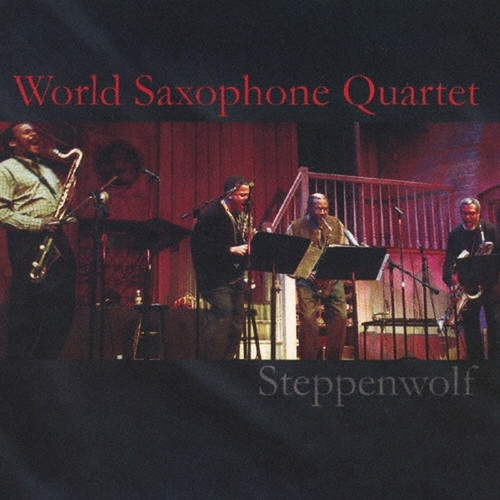
Steppenwolf
Chicago, Steppenwolf Theatre, 1 March 1999. The World Saxophone Quartet plays a full concert and the tape stays in a drawer for three years. Justin Time released it in 2002 as Steppenwolf, and it turned out to be the last record John Purcell made with the group.
The WSQ mostly recorded in studios. A live album from this period is a different animal: the pieces stretch out, the four players introduce their own tunes at the microphone, and Oliver Lake reads a spoken narrative. Jim Santella at All …
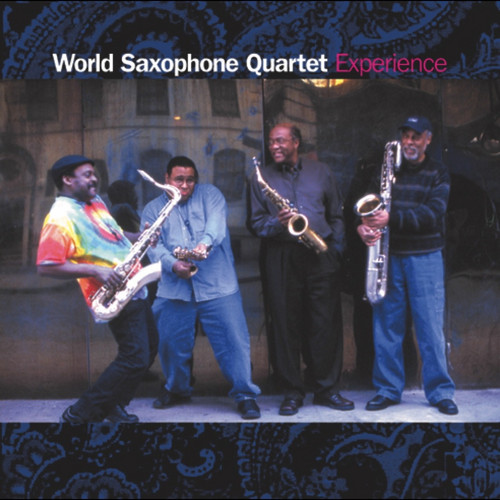
Experience
Eight Jimi Hendrix songs for four saxophones, plus trombone, violin, electric bass and drums. Experience was recorded over three days, 13 to 15 March 2003, and released by Justin Time in 2004.
By then the World Saxophone Quartet had a new fourth voice. Bruce Williams, on alto and soprano, had replaced John Purcell alongside the three founders, Hamiet Bluiett, Oliver Lake and David Murray. For the Hendrix material they brought in a rhythm section: Matthew Garrison on electric bass, Gene Lake (Oli…
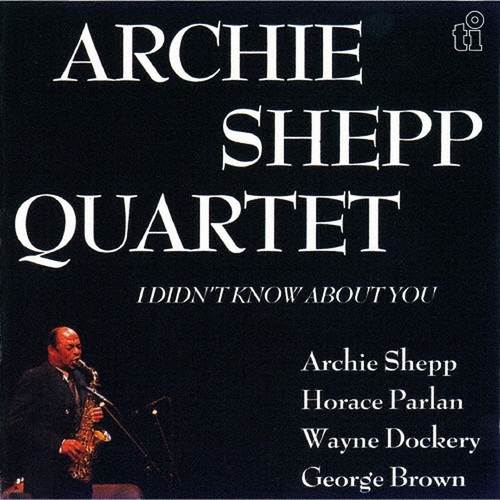
I Didn't Know About You
Munich, Studio Meilhaus, 6 November 1990. Archie Shepp on tenor and alto, singing on three tracks, with Horace Parlan on piano, Wayne Dockery on bass and George Brown on drums. One day of work for the Dutch label Timeless, released the following year.
Shepp and Parlan had recorded the spirituals of Goin' Home and the blues of Trouble in Mind as a duo for SteepleChase in the late 1970s. This quartet session comes out of the same relationship, a decade on, and the material tells you where Shepp wa…
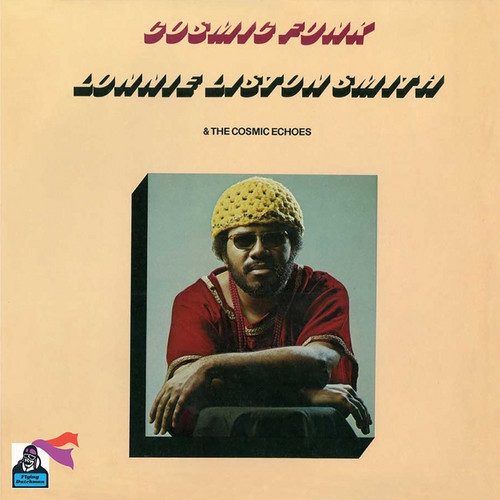
Cosmic Funk
Lonnie Liston Smith's second Flying Dutchman album, April 1974, and the first with the Cosmic Echoes and his brother Donald's voice. Produced by Bob Thiele. Electric piano funk on the title track, Shorter's Footprints, Mtume's Sais, and a sung version of Coltrane's Naima to close.
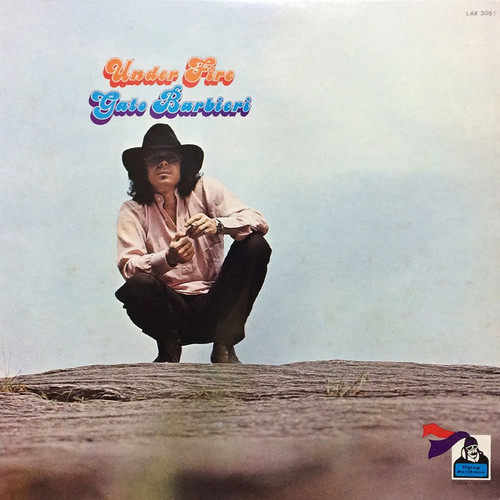
Under Fire
Recorded in New York in 1971, held back by Flying Dutchman until 1973, Under Fire sits between the Montreux live album and Bolivia in Gato Barbieri's run for the label, the years when he was moving away from free jazz and toward the folk material of his continent.
The band is the one AllMusic calls stellar: Lonnie Liston Smith on piano and electric piano, John Abercrombie on guitar, Stanley Clarke on bass, Airto Moreira, James Mtume and Moulay Ali Hafid on percussion, and Roy Haynes on drums for…
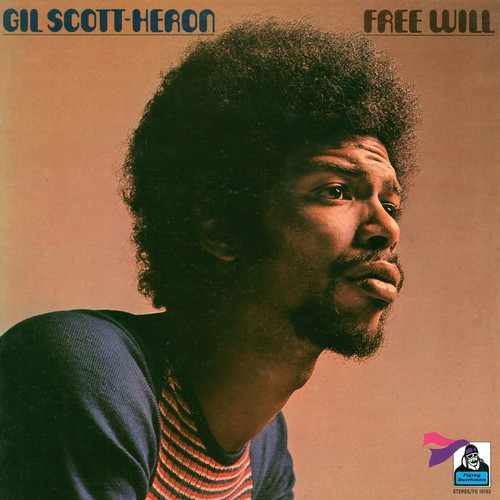
Free Will
Gil Scott-Heron's last album for Flying Dutchman, cut over two days in March 1972 at RCA Studios. One side of songs with Brian Jackson, Hubert Laws, David Spinozza and Pretty Purdie; one side of poems over hand percussion, including No Knock and The King Alfred Plan. Bob Thiele produced.
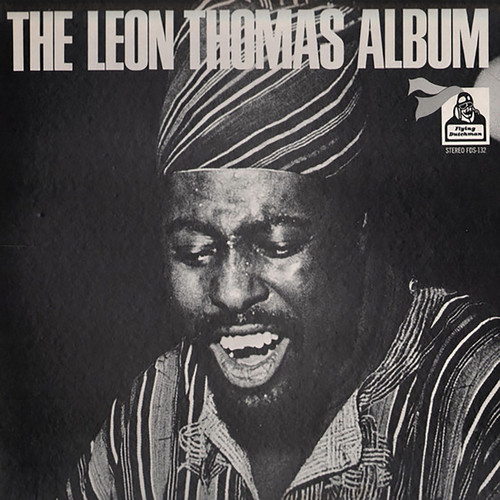
The Leon Thomas Album
Leon Thomas's second album for Bob Thiele's Flying Dutchman, 1970: a horn section arranged by Oliver Nelson, Billy Harper, Howard Johnson, Billy Cobham and Roy Haynes, and two live spiritual jazz pieces, the eleven-minute Um, Um, Um and the side-long Pharoah's Tune (The Journey).
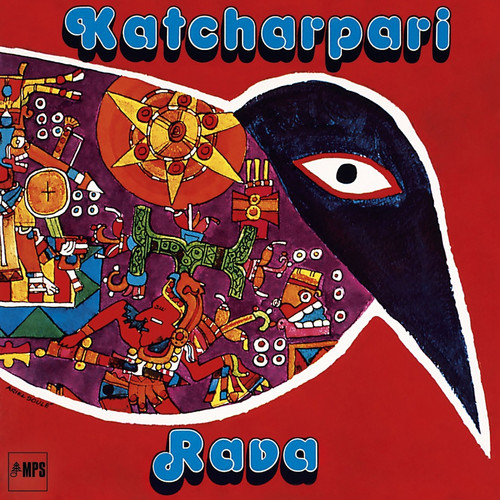
Katcharpari
Milan, January 1973. Enrico Rava's second record as a leader, with John Abercrombie on guitar, Bruce Johnson on bass and Chip White on drums, released by MPS/BASF. Rava has called it his breakthrough: the album that got Manfred Eicher's attention. Seven tracks, from Trial N. 5 to the Don Cherry tribute Cheerin' Cherry.
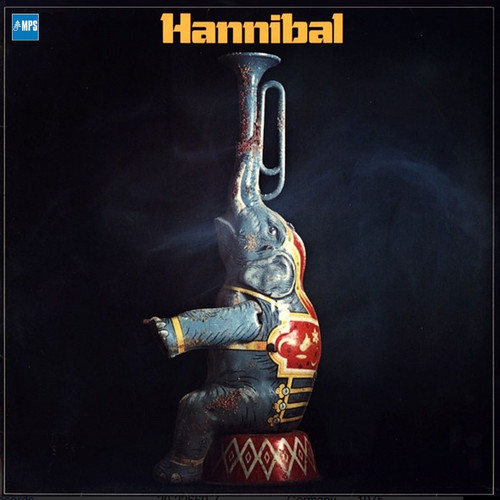
Hannibal
Ludwigsburg, 1 and 2 July 1975. Hannibal Marvin Peterson's first record for MPS, with Diedre Murray's cello, Michael Cochrane's piano, Stafford James and Thabo Michael Carvin. Two modal originals, a version of Misty, The Voyage with Hannibal on koto, and the fourteen-minute Soul Brother for Malcolm X.
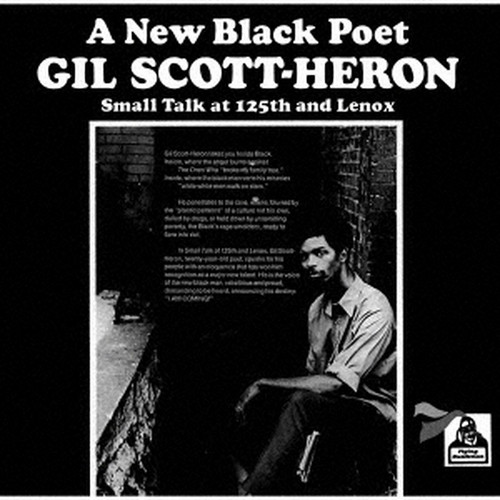
Small Talk At 125th And Lenox
A New Black Poet: Gil Scott-Heron's first record, 1970, a book of poems read in front of an audience with three percussionists, Eddie Knowles, Charlie Saunders and David Barnes, produced by Bob Thiele. The first version of The Revolution Will Not Be Televised, Whitey on the Moon, and the title piece.
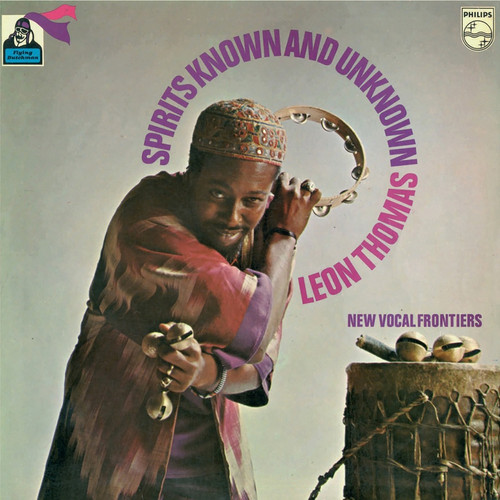
Spirits Known and Unknown
New York, 21 and 22 October 1969. Leon Thomas's first album under his own name, made months after Karma, with Pharoah Sanders credited as Little Rock, Lonnie Liston Smith, James Spaulding, Cecil McBee, Richard Davis and Roy Haynes. A shorter Creator Has a Master Plan, Echoes, and the Malcolm X elegy Malcolm's Gone.
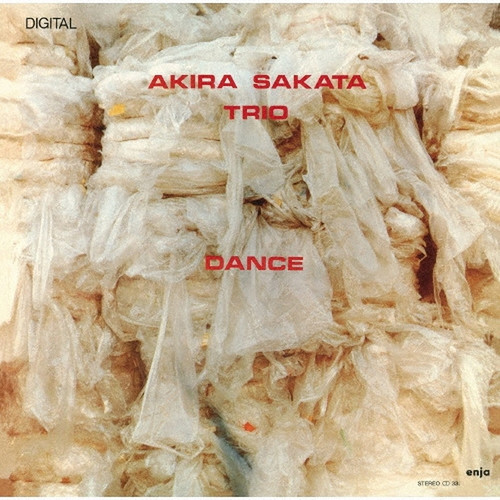
Dance
Munich, Vielharmonie, 11 June 1981. Akira Sakata, two years out of the Yosuke Yamashita Trio, with his own trio, Hiroshi Yoshino on bass and Nobuo Fujii on drums, recorded digitally for Enja. Alto sax, alto clarinet and voice; four long pieces, including a version of Brigitte Fontaine's Comme à la radio.
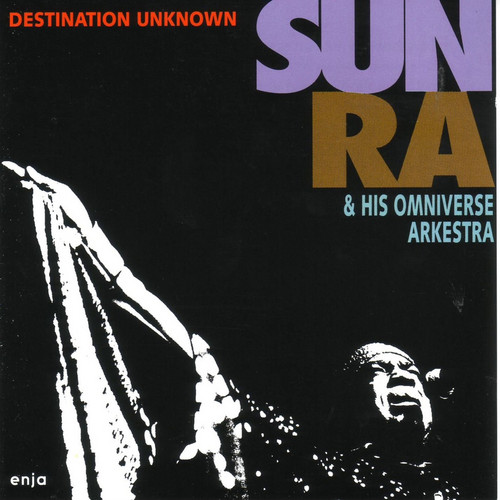
Destination Unknown
Moonwalker, Aarburg, Switzerland, 29 March 1992. Sun Ra, fourteen months from the end, at synthesizer and piano with a ten-piece Arkestra: Marshall Allen, Michael Ray, Ahmed Abdullah, Tyrone Hill, Buster Smith. Ten pieces in fifty-six minutes, mostly repertoire, groove over improvisation. Released by Enja.
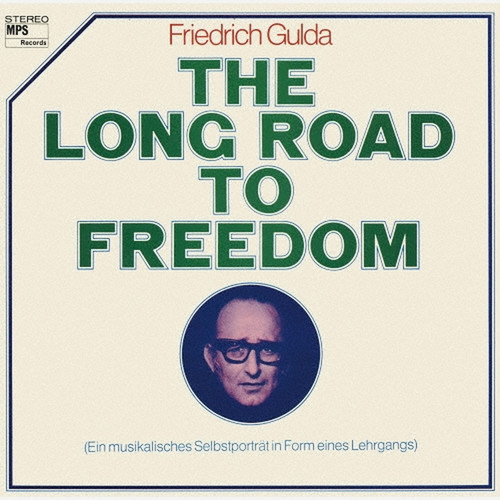
The Long Road To Freedom
Villingen, 26 February 1971. Friedrich Gulda's self-portrait in the form of a course, a double LP mostly of solo piano with Klaus Weiss on drums, Fritz Pauer and a horn section including Benny Bailey and Sahib Shihab. Prelude and Fugue, Play Piano Play, a set of variations on Light My Fire, and a Goethe setting.