Pan-Afrikan Peoples Arkestra / Nimbus West legacy
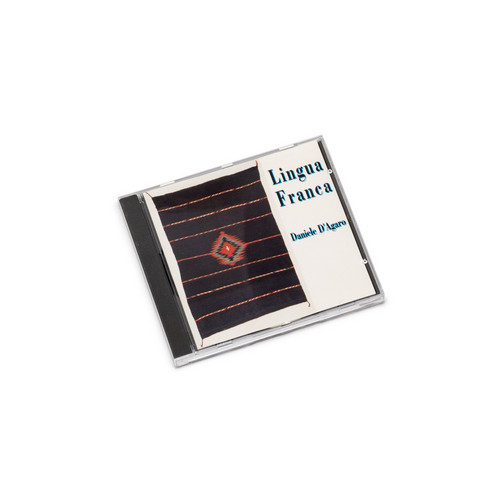
Lingua Franca
Lingua Franca: the language that allows different peoples to understand one another. And what better instrument than the clarinet - voice of klezmer, Alpine folk, New Orleans jazz - to speak across borders? Daniele D'Agaro was born in 1958 in Spilimb…
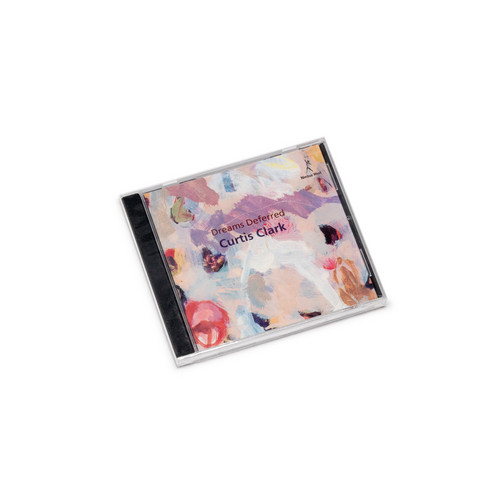
Dreams Deferred
The title comes from Langston Hughes: "What happens to a dream deferred? Does it dry up like a raisin in the sun?" For a pianist who traversed Chicago, Los Angeles, New York and Amsterdam chasing a musical vision few could grasp, the question is anyt…
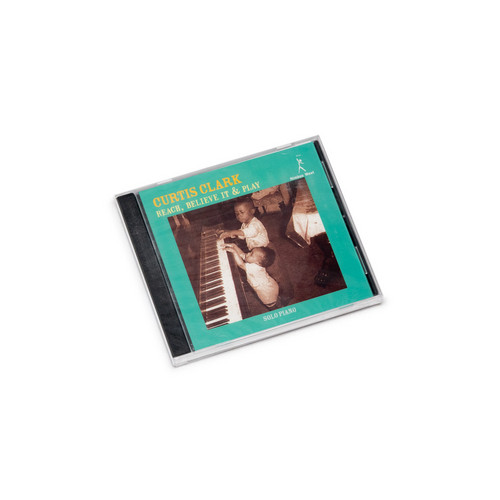
Reach, Believe It & Play
Solo piano. The format that separates the genuine article from the pretenders. No rhythm section to hide behind, no horns to share the weight. Just eighty-eight keys and whatever's in your soul. Curtis Clark came to this music through Horace Tapscott…
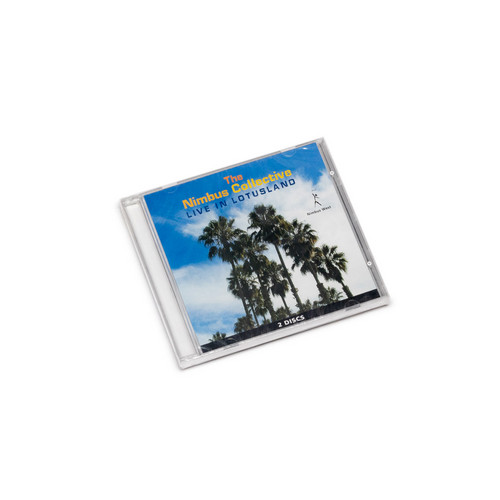
Live In Lotusland
"Trying to play serious music in an area as shallow and fad-driven as Los Angeles were too much for this band to deal with." So reads the liner note epitaph for one of the most potent ensembles to emerge from the UGMAA constellation. One hundred minu…
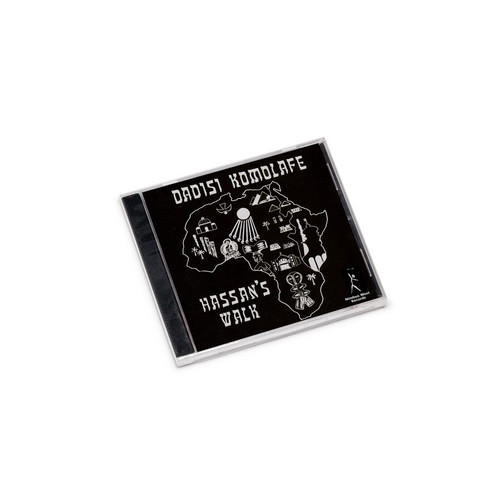
Hassan's Walk
One album. One statement. One of the great mysteries of the Nimbus West catalog. Born Arthur Wells, the alto saxophonist and flautist who became Dadisi Komolafe studied under Horace Tapscott at the Cross Roads Art Academy, the educational arm of UGMA…
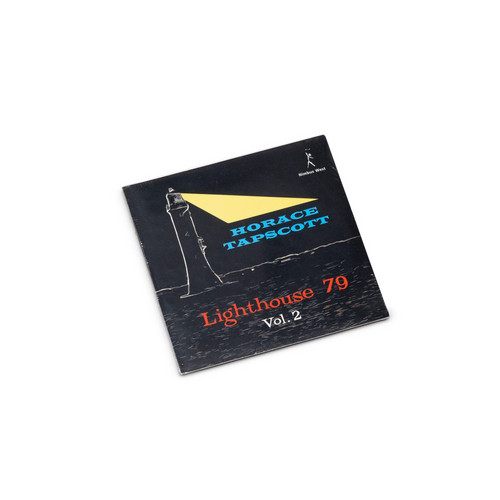
Lighthouse 79, Vol. 2
The second night. October 11, 1979. Same club, same sextet, completely different energy. Where Volume 1 leaned heavily on UGMAA repertoire, this follow-up session finds Horace Tapscott diving deep into the Great American Songbook with results that bo…
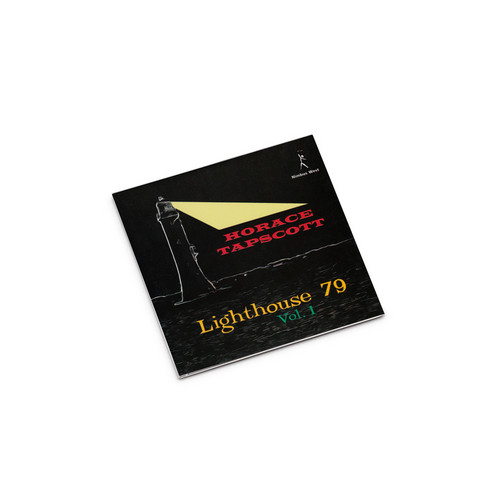
Lighthouse 79, Vol. 1
Recorded on October 10, 1979 at the legendary Lighthouse in Hermosa Beach, California, this unearthed treasure captures Horace Tapscott in the very temple of West Coast jazz, the club where Charlie Parker, Miles Davis, Chet Baker, Lee Morgan, and Elv…
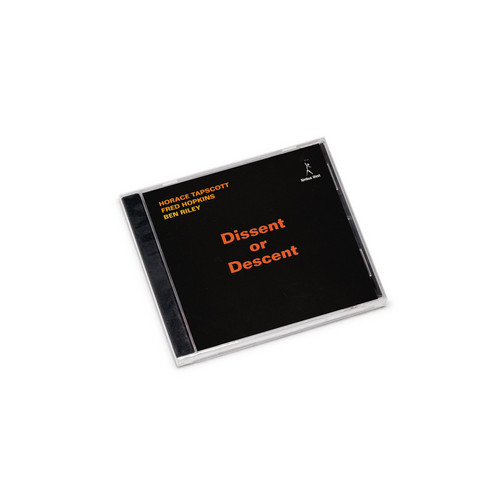
Dissent Or Descent
In 1979, Horace Tapscott traveled to New York and recorded In New York with Art Davis on bass and the immortal Roy Haynes on drums. That album captured something approaching magic - a West Coast visionary meeting East Coast rhythm masters on neutral …
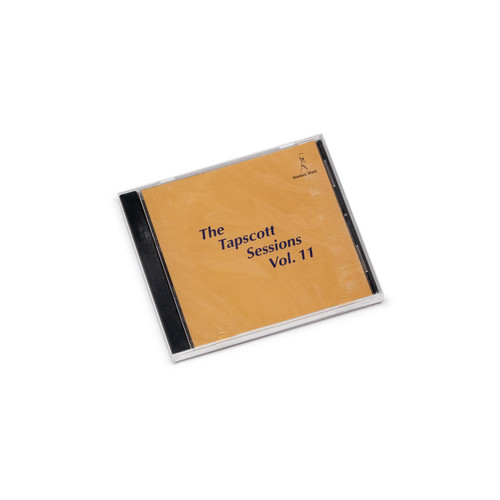
The Tapscott Sessions Vol. 11
The final volume in the Tapscott Sessions series, Vol. 11 is gentler than some of its predecessors - stretched out and moody, with a contemplative feel that rewards patient listening. Twelve tracks recorded in 1982, released twenty-five years later a…
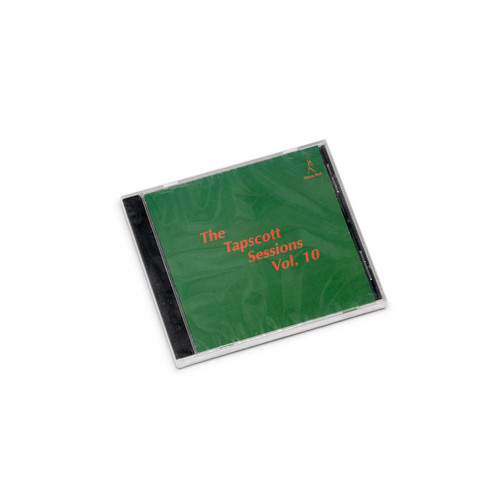
The Tapscott Sessions Vol. 10
Drawn from two different recording sessions at the Lobero Theatre, The Tapscott Sessions Vol. 10 showcases Horace Tapscott in an especially exploratory mode. Nearly all original compositions here - "Miguel," "Roses In Bloom," "First Love," "Searching…
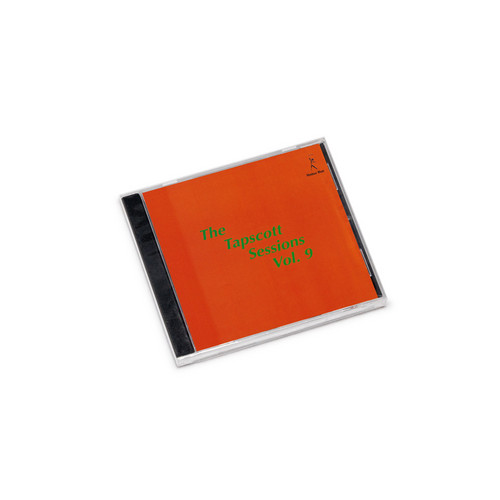
The Tapscott Sessions Vol. 9
Between 1982 and 1985, whenever Horace Tapscott felt ready, Tom Albach would hire an engineer, a crew, and a mobile sound truck to record him at the Lobero Theatre in Santa Barbara. Sessions typically ran between 2 and 4 a.m., when auto traffic fell …
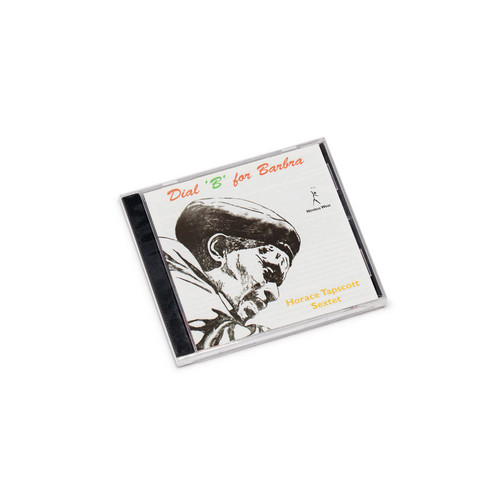
Dial ‘B’ For Barbra
Recorded on February 26, 1980 at United-Western Studios in Hollywood, Dial B For Barbra stands as one of the absolute peaks of Horace Tapscott's output for Nimbus West. Following his monumental orchestral sessions with the Pan-Afrikan Peoples Arkestr…
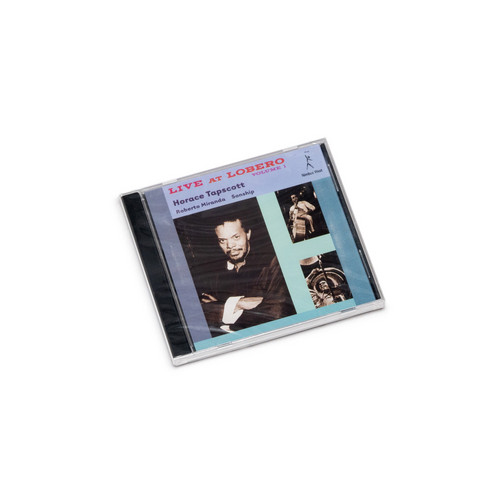
Live at Lobero
The Lobero Theatre in Santa Barbara, built in 1872 by local composer José Lobero, has witnessed over a century of California cultural history. On the night of November 12, 1981, it became the site of one of the most powerful trio recordings in the Ho…
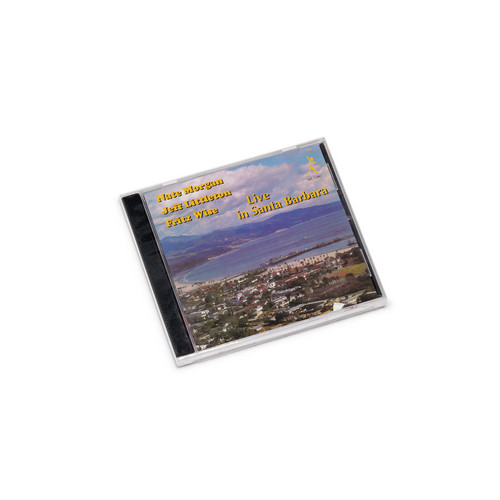
Live in Santa Barbara
"Yeah, I'm Nate Morgan. I'm going to play with you all." That's how a teenage Nate Morgan introduced himself to Horace Tapscott after hearing The Giant Is Awakened on the radio and tracking down the Pan Afrikan Peoples Arkestra. Not "I want to" - "I'…
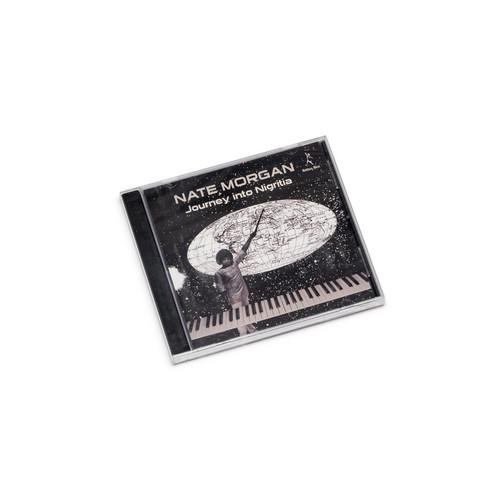
Journey Into Nigritia
Journey Into Nigritia, released in 1983 on Tom Albach's Nimbus West, was a declaration of arrival. Morgan assembled a quartet built for spiritual exploration: firebreathing reedsman Dadisi Komolafe on alto saxophone, Jeff Littleton on bass, Fritz Wis…
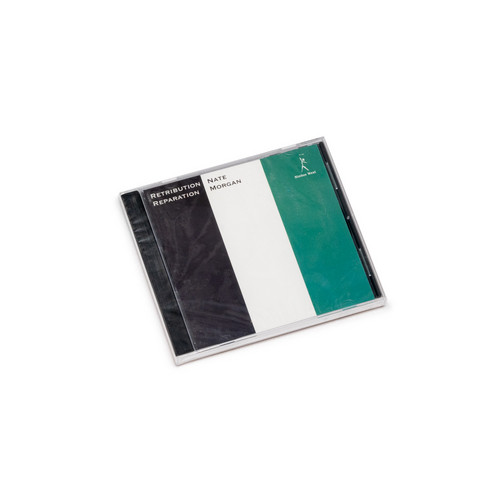
Retribution, Reparation
One year after his debut Journey Into Nigritia, Nate Morgan returned to Tom Albach's Nimbus West studio with a statement so direct it left no room for ambiguity. The album's title alone - Retribution, Reparation - announced its politics. Where the fi…
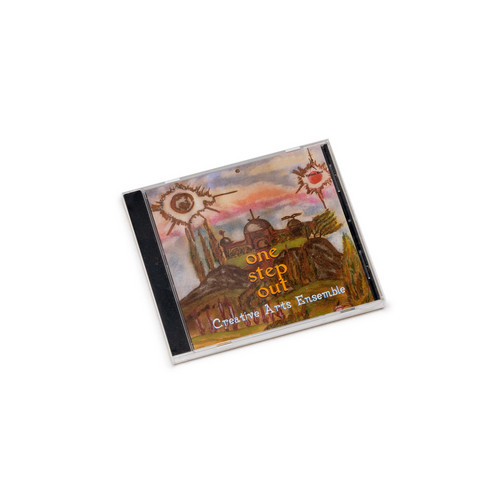
One Step Out
2412 South Western Avenue, Los Angeles. A mansion the Arkestra members had taken over for communal living. They called it the Great House. In the late 1970s, Michael Session - the Pan-Afrikan Peoples Arkestra's tenorist - brought a young pianist name…
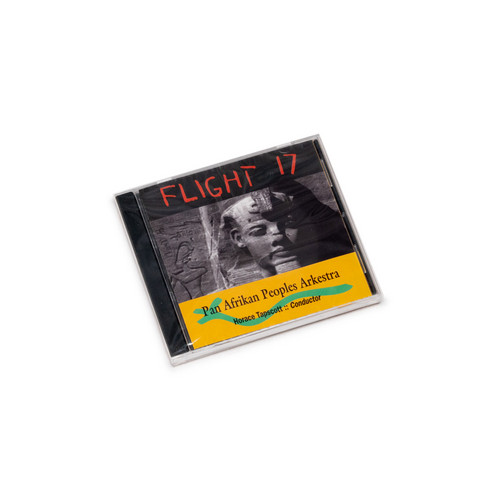
Flight 17
Seventeen years. That's how long it took the Pan-Afrikan Peoples Arkestra to make their first record. Founded in 1961 by Horace Tapscott as the Underground Musicians Association, the orchestra had weathered the Watts uprising, the ferment of the Blac…
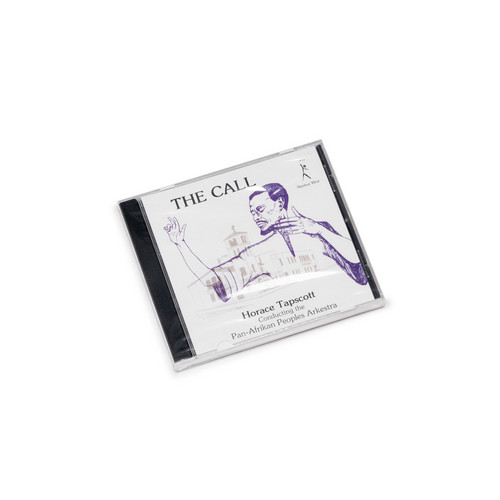
The Call
For nearly two decades, Horace Tapscott and his Pan-Afrikan Peoples Arkestra made music without making records. They played in parks, on street corners, at fundraisers, churches, community centers - anywhere the people needed them. While the rest of …
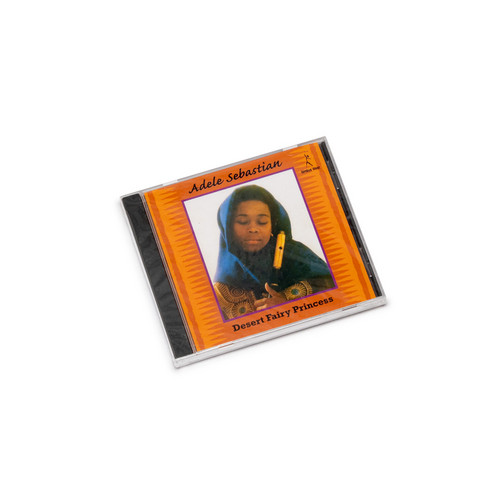
Desert Fairy Princess
There's a particular light in the music of Los Angeles's spiritual jazz community of the late 1970s - something warm, searching, unpretentious. Adele Sebastian's sole album as a leader catches that light perfectly. Recorded in 1981 and released on th…