Gamelan Ensemble Majuli Agung, Gamelan Orchestra of Tegaltamu, Ida Bagus Rai
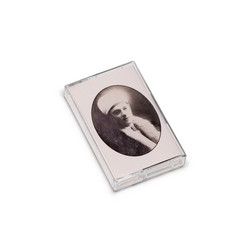
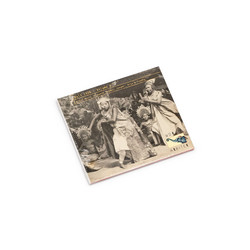
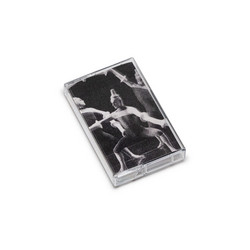
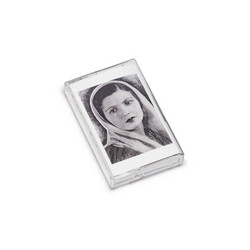
Gamelan Music of Bali: Field Recordings by Deben Bhattacharya, 1973-74 (Tape)
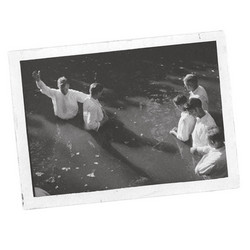
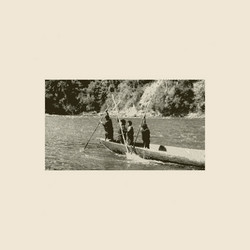
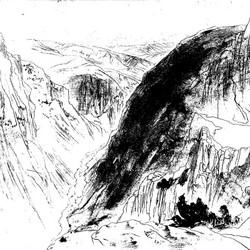
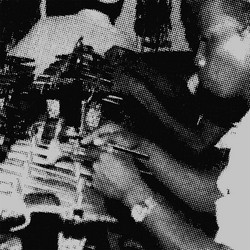
A first-time vinyl & cassette release for pioneering Bengali ethnomusicologist, filmmaker and radio producer Deben Bhattacharya's Bali field recordings, captured in the historic villages of Puri Karangasem, Tegaltamu, and Kayumas Kaja between December 1973 and January 1974. Searingly beautiful and hypnotic, these are some of the finest candid, open-air sonic documents made of gong keybar orchestras accompanying authentic dance-dramas, ceremonial funeral rites and shadow puppetry plays. The 2LP is limited to 300 copies and features each of the 4 tracks cut across its own side, with photography and notes by Deben Bhattacharya.
Ceremonial Funeral Music: Tabuh Lelambatan Lawas — Played on the occasion of the ceremonial cremation of Prince Anak Agung Gede Agung. Because of political and economic considerations, the ceremony of immersion of the Prince's ashes into the sea took place ten years after his death. It took place in the seaside village of Puri Karangasem on the 27th of December 1973. This type of music can be played on other ceremonial occasions, such as during gatherings in temples.
Mahabharata — An extract from a shadow play called wayang kulit, it is based on the Hindu epic Mahabharata, which originated in India approximately in the 10th century BC and was written in Sanskrit. The epic is based on a family feud between the Kauravas and the Pandavas, which develops into a great war and ends with the righteous seven Pandavas winning the war, but only after incalculable destruction. Wayang kulit is a short episode from the Mahabharata, presented by the story teller, Ida Bagus Rai who, while relating the story, projects and manipulates the shadows on a white screen with the help of images designed from leather cut-outs. This episode speaks of the adventures of the Pandava brothers while in exile in the forest and their arrival in the kingdom of Virata. Ida Bagus Rai is accompanied by four gangsars (metallophones with ten bronze bars in each). The bars are suspended on cords in a wooden frame and played with hammers.
Barong — A dance-drama representing the eternal fight between good and evil, but in this case evil appears to have an uncertain upper hand. Presented at the temple courtyard of Tegaltamu, it employs the village Gamelan Orchestra of Tegaltamu, which is similar to that of the recording in track 1 but with the addition of flutes and songs. Music and dance continue for several hours and are performed by the villagers of Tegaltamu under the leadership of Gusti Made Kacha. The story of Barong, too, is based on the Hindu epic Mahabharata. In it Devi Kunti, the mother of the five Pandavas, had for some reason promised to sacrifice one of her sons, Sahadeva, to the evil Rangda. When the righteous Barong comes to rescue Sahadeva, the battle appears to end without evil being destroyed.
Trunajaya — The opening sequence of a dance called Trunajaya or victory for the young. It is a fast dance for the young, with more gentle movements from time to time. Note the silent pauses at the beginning of the composition to allow the vibrations of the metallophones to continue and echo in one another while the dancers move with gliding steps. The music was played by the Gamelan ensemble Majuli Agung of the village Kayumas Kaja as in track 1, with the same instruments as described above except for the trompong, the gong chime.