The narrative associated with Gloomy Sunday has evolved into a legend. Both the song and its accompanying tale have received extensive coverage in prominent newspapers and magazines due to their alleged unsettling link to numerous suicides. “Gloomy Sunday” (Hungarian: Szomorú Vasárnap), often referred to as the “Hungarian Suicide Song,” is a well-known piece created by Hungarian pianist and composer Rezső Seress, first published in 1933.
The composition of the song was undertaken by Rezső Seress during his residence in Paris, as he sought to establish himself as a songwriter in late 1932. The initial musical arrangement featured a piano melody in C minor, with the lyrics performed over it. Seress created the piece amidst the backdrop of the Great Depression and the rising influence of fascism in his homeland of Hungary. However, opinions vary regarding whether the song was primarily inspired by his personal sorrow or by broader concerns about the future. The essence of Seress’s lyrics conveys a critique of human injustices, accompanied by a plea to God for mercy on the contemporary world and its wrongdoers. There are indications that the lyrics of “Vége a világnak” may not have been penned until the onset of World War II and were not copyrighted until 1946.
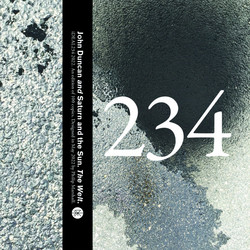
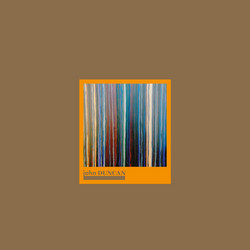
Mauricio Reyes conducted extensive research on the subject of suicide and initially suggested a journalistic approach for this project. However, John Duncan noted that this approach had already been explored. Instead, he suggested using a piece he had composed for his own funeral, which connects “Gloomy Sunday” and its links to suicide. The song faced a ban in Hungary, but this issue extends beyond its borders. In the 1930s, both Time and the New York Times documented instances of suicides and suicide attempts in the United States linked to “Gloomy Sunday.” The BBC and various media outlets in the US reportedly declined to broadcast it, apprehensive that it might be associated with these tragic events. Initially, Seress faced challenges in securing a publisher, largely due to the song’s notably somber tone. One prospective publisher remarked, “It is not merely that the song is sad; it evokes a profound and terrible despair. I doubt it would benefit anyone to hear such a piece.”
The song was eventually published as sheet music in late 1933, featuring lyrics by poet László Jávor, who drew inspiration from a recent breakup with his fiancée. Most accounts suggest that Jávor revised the lyrics following the song’s initial release, although he is occasionally referred to as the original author of the words. His lyrics did not express political themes; instead, they served as a lament for the loss of a loved one and a promise to reunite in the afterlife. This rendition of the song gained widespread recognition, and most subsequent adaptations revolve around the theme of lost love.
Over the years, numerous urban legends have emerged surrounding the song, primarily suggesting a connection to various instances of suicide, which allegedly led to radio stations banning it. In the 1930s, media reports linked at least 100 suicides, both in Hungary and the United States, to “Gloomy Sunday.” On January 11, 1968, approximately 35 years after the song’s creation, its composer took his own life.
“Gloomy Sunday: The Funeral I envision for Myself” transcends a mere journalistic endeavor. It serves as a profound investigation into the somber and isolating realm of mental illness. Mauricio Reyes embarked on this sonic journey with a variety of ideas and concepts. These notions were communicated to John Duncan, who skillfully integrated his own funeral score with this timeless, beautiful, and haunting composition that explores the forgotten regions of the heart. The BBC prohibited Billie Holiday’s rendition of the song from airing, although instrumental versions were permitted. This ban was eventually lifted in 2002.