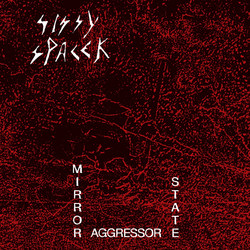
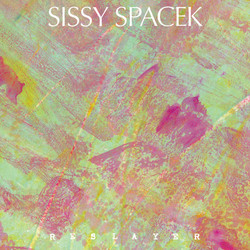
Geometric Reason is the latest mutation in the ever‑shifting organism that is Sissy Spacek, a project that has spent the better part of three decades treating the fringe as home turf. Since 1999, the group has refused to sit still, veering from blast‑furnace noisecore to near‑silent austerity, from granular grindcore implosions to blown‑out maximalist chaos. Rather than a “band” in the conventional sense, Sissy Spacek - anchored by John Wiese and Charlie Mumma - has functioned as an open system: a framework where collaboration, instability and sonic extremity can be continually reconfigured. Geometric Reason, released by SSSM, locks that restless impulse into a distinctly musique concrète mode, turning decades of abrasive practice into a hyper‑detailed, cut‑and‑spliced sound cinema.
The album presents itself as a dynamic, untamed collage. Electronics, acoustic instruments and voice are carved into fragments, rearranged and forced into new proximities, generating a music that feels both immediate and disorienting. Abrupt edits are allowed to remain visible as scars: waves of dense saturation snap into close‑mic’d rustle, junk percussion and mangled tape switch places mid‑phrase, and sudden pockets of transparency open up inside otherwise claustrophobic layers. The record moves with insistent, nervous energy, rejecting smooth narrative arcs in favour of jump‑cuts and fractures. Moments of uncanny clarity surface - a stray chord, a recognisable breath, a fleeting rhythm - only to dissolve without warning back into the swarm.
A striking thread throughout Geometric Reason is its treatment of the human voice. Rather than occupying a stable foreground role, vocals drift through the pieces as smudged ambience, warped utterances and blurred syllables. This approach clearly nods to Wiese and Aaron Hemphill’s project Strain of Laws, where voice is treated as just another volatile material inside a larger structure. Here, the voice never settles into narrative; it is chopped, stretched, ghosted, folded into the mix until it becomes an unstable sonic substance. That choice keeps the record in a state of semantic suspense: something is always being said, but the precise meaning slips away, replaced by texture and grain.
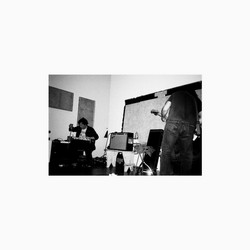
The lineup behind this record reads like a compact map of intersecting undergrounds. Alongside Wiese and Mumma, Geometric Reason features Mitchell Brown (Gasp, LAFMS), Hemphill (Nonpareils, Liars) and Jay Randall (Agoraphobic Nosebleed). Brown brings a LAFMS‑honed love of tape damage, absurd timing and sound as unruly object; Hemphill injects a sense of rhythmic and harmonic instability drawn from pop deconstruction and art‑rock; Randall adds the velocity and edge of grindcore and extreme metal. Rather than parceling out “feature” spots, the album lets these sensibilities rub against one another, generating a record that feels both cohesive and permanently unsettled, its shape defined by friction and overlap more than by any single aesthetic agenda.
The circumstances of its making leave a clear imprint. Assembled at Studio 2 in Altadena, California, Geometric Reason was born in the wake of nearly six months of displacement caused by the Altadena fires. Returning to a studio that had been forcibly put on pause, Wiese and company encountered their working environment as something simultaneously familiar and estranged. That sense of rupture and re‑entry courses through the record: its volatility, its density, and its refusal to lock into a single mode all feel like accurate reflections of a life briefly uprooted and then reassembled. Rather than smoothing over that disruption, the album uses it as fuel, leaning into an uprooted, febrile quality where nothing is allowed to become too comfortable.
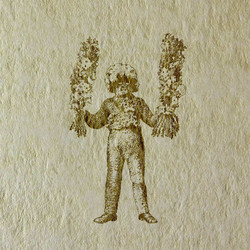
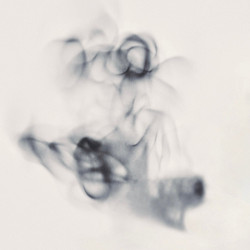
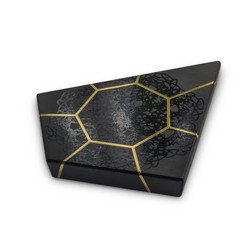
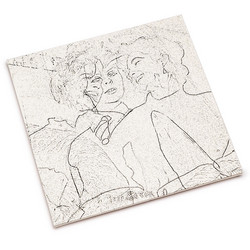
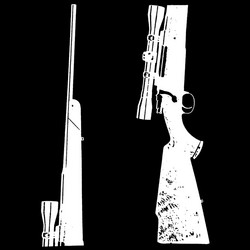
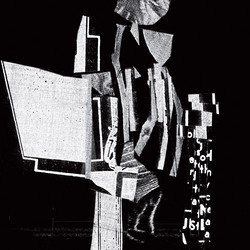
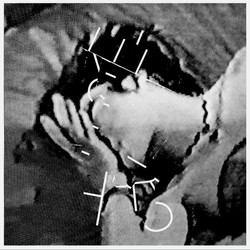
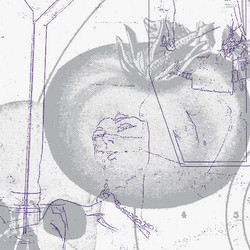
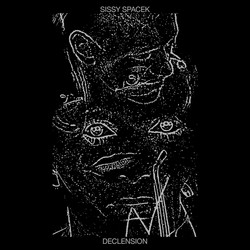
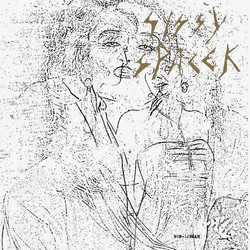
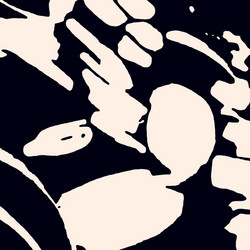
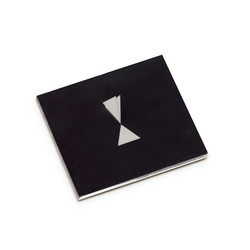
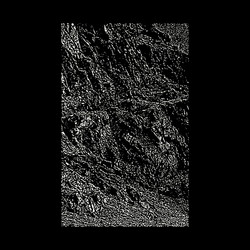
Visually, the release mirrors its own compositional logic. The artwork, designed by Wiese, consists of five postcard collages - layered, tactile constructs built from disparate fragments that have been cut, shifted and glued into uneasy alignments. They don’t illustrate the music so much as operate in parallel to it, another site where geometry is less about clean shapes than about the irrational angles created by collision.