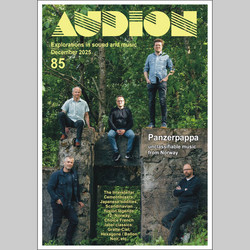
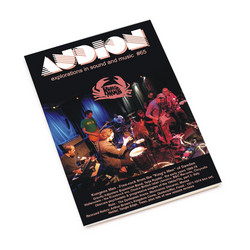
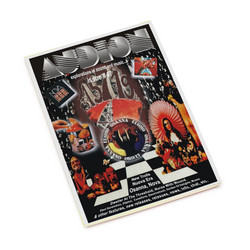
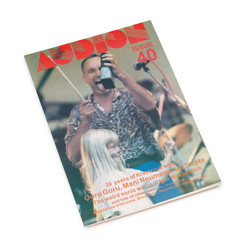
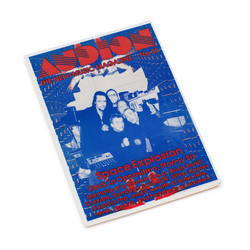
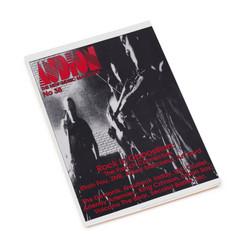
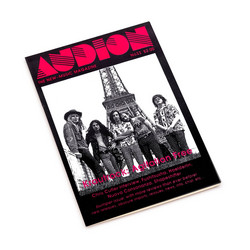
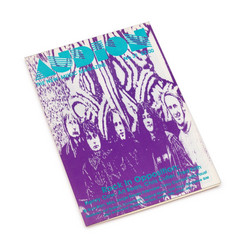
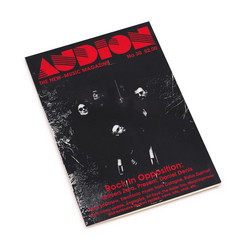
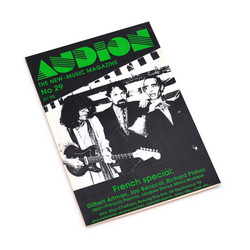
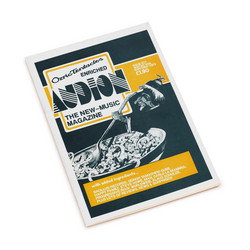
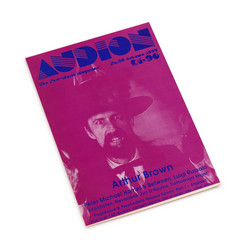
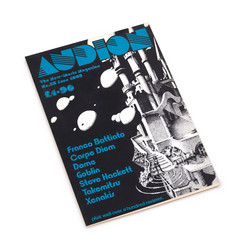
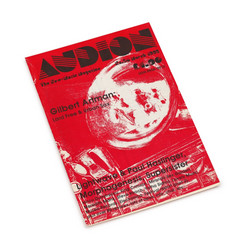
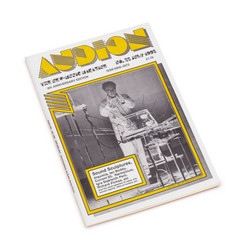
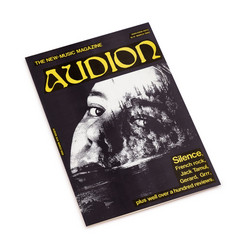
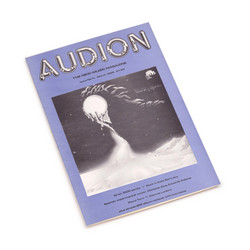
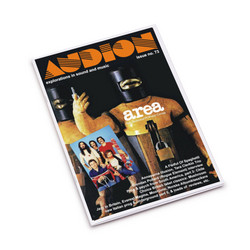
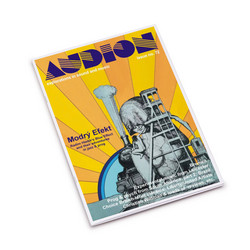
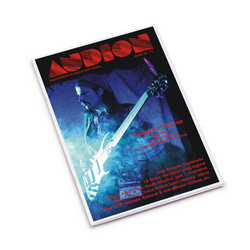
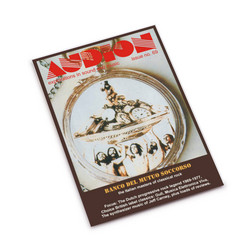
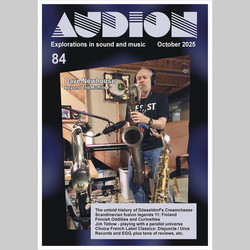
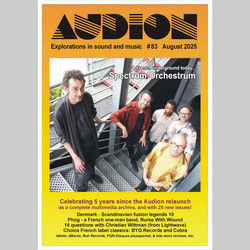
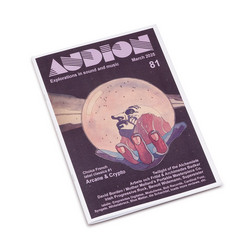
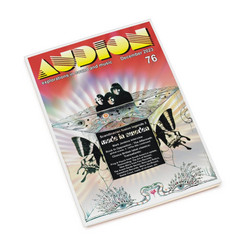
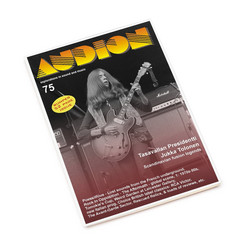
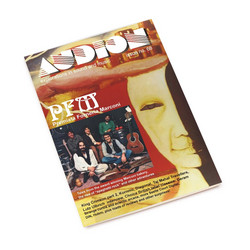
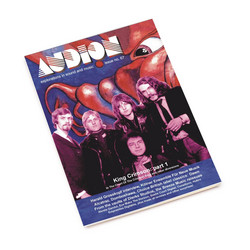
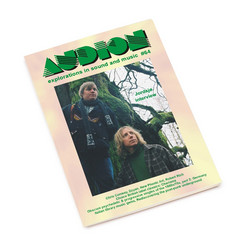
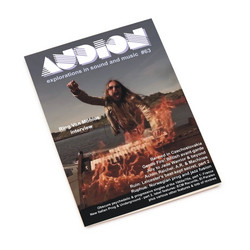
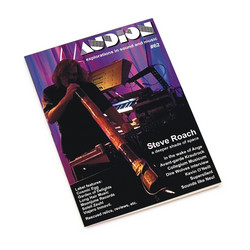
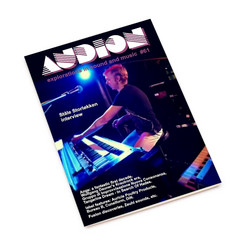
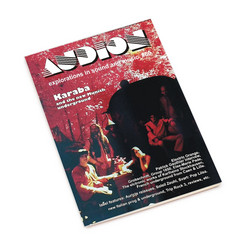
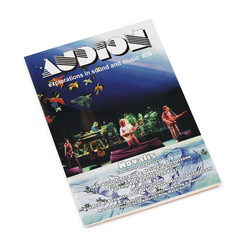
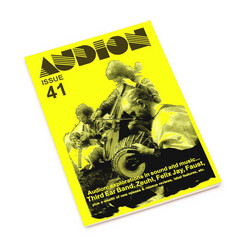
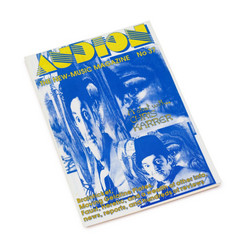
Audion 87 arrives like a lovingly overstuffed mixtape passed between devotees, its 44 A4 pages packed with rabbit holes for anyone who still hears “progressive” as a verb, not a museum tag. At its core sit two major anchor features. The first is a deep excavation of choice German label classics, taking April and Schneeball as portals into a republic of small imprints, marginal bands and radical self‑organisation. Rather than recycling the usual Krautrock canon, the piece digs into catalogue corners, tracing how these labels smuggled political volatility, DIY production and stylistic risk into a scene often reduced to a few iconic names. The second is “A Beginner’s Guide to Space‑Rock, Part 1”, an introduction that starts on home turf with England and patiently unpicks how Hawkwind’s fumes, Gong’s anarchic whimsy and countless cassette‑age descendants turned cosmic rock into both aesthetic and attitude.
Balancing those historical sweeps, Audion 87 homes in on present‑tense outliers. A feature on CORIMA presents the US avant‑prog/Zeuhl unit not as mere Magma acolytes but as an American answer to that tradition’s most feverish impulses, folding Latin and jazz currents into the classic martial choral thrust. A survey of Switzerland reminds readers that this supposedly neutral country has long been a crucible of cultural and musical diversity: from knotty jazz‑rock and industrial electronics to folk mutations and modern experimentalism, the piece treats Switzerland as a crossroads rather than a side note. There is also a rare, focused conversation with Steve Wilson about his shadow projects Bass Communion and I.E.M., framed as a “unique 20 Questions” that sidesteps standard biography in favour of process: drone as a compositional lab, studio as instrument, anonymity as creative freedom.
True to form, the issue doesn’t stop at features. Regular columns like “The Avant‑Garde Sector” and “Rescued Relics” continue their work of mapping the borderlands: the former scanning new releases where structure frays and genre tags evaporate, the latter exhuming lost or overlooked recordings that still feel dangerously alive. Label spotlights on Cyclical Dreams and Whitelabrecs sketch out two very different micro‑ecosystems, from nocturnal electronics to handcrafted modern composition, underlining the magazine’s commitment to tracing networks rather than just isolated artefacts.
The review section reads like a radio dial flicked across decades and continents: Acid Mothers Temple’s ever‑expanding psychedelic cosmos; Italian veterans Arti & Mestieri; Russian outfit Aton Five; Japanese prog warriors Bi Kyo Ran; jam‑psychedelia from Da Captain Trips; synthesiser excursions by Dr Space; symphonic narratives by The Emerald Dawn; Gnod’s heavy spiritual churn; guitar‑driven explorations from Steve Hillman; ritual psych from The Holy Family; Scandinavian jams via Kungens Män; the singular wit of Albert Marcœur; the riff‑charged Hedvig Mollestad Weejuns; dense celestial charts from Orchestra Of The Upper Atmosphere; sustained ambient journeys by Steve Roach; venerable innovators Soft Machine; dark cosmologies from The Stargazer’s Assistant; Nordic prog‑folk from Tusmørke, and plenty more. Short, sharp capsules sit beside longer, context‑heavy appraisals, always guided by the Freeman editorial ethos: curiosity first, taxonomy second.