1
2
3
4
Ivan the Tolerable
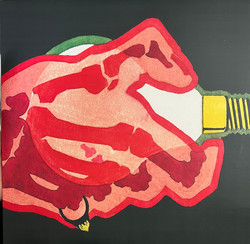
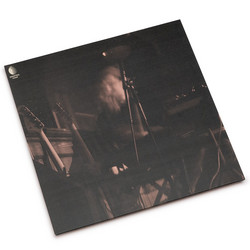
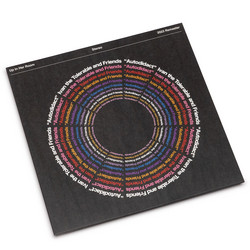
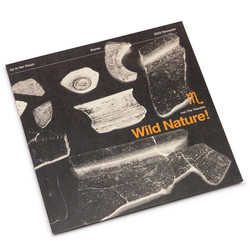
Nothing Is New In This Room Except The Dust (LP, Splatter)
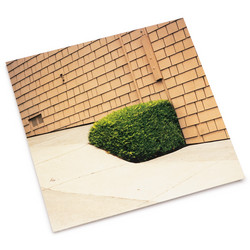
With Nothing in this room is new except the dust, Ivan The Tolerable returns not to a room but to a weather-beaten tract of being — a north-facing interior where wind has a voice and the light is a thin animal nosing the corners. The trio who forged Black Water, Brown Earth and An Orphan Form — Oli Heffernan, Mees Siderius, and Elsa Van Der Linden — move here with the patience of creatures that have learned the seasons of each other’s blood. If the earlier records surveyed land, this one digs into it with bare hands.
Heffernan’s guitar does not decorate; it works. It turns the soil. The phrases loop and return like a river worrying its own banks, each repetition pressing deeper into peat and root. Siderius, between drum and vibraphone, builds not rhythm but weather. His percussion is the thud of distant machinery remembered by the ground; his vibraphone strikes flare and fade like mica in broken stone — a mineral light, cold and exact. Van Der Linden’s reeds breathe in long draughts. Her saxophone rises and wheels, hawk-like, above the field of sound; her flute is a thinner wind, threading through grass, vanishing into the hollows it has made. The music feels less composed than exhumed — as though these tones lay dormant beneath the floorboards, waiting for a spade.
The title speaks of stillness, but this is not stasis. Dust is not idle. Dust is what remains after force has done its work — after hooves, after hammers, after lungs. In the North — that hard grammar of moor and mill — dust is both hearth and spoil-heap. The record understands this. It carries the taste of old industry and open field in the same mouthful. There are passages where the air seems to thicken, recalling the saturated pull of Black Water, Brown Earth, that earlier descent into silt and undertow. But here the weight has shifted. The sound is aerated, wind-cut. Silence stands upright between notes like a gate left open.
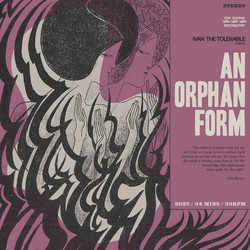
If An Orphan Form felt like stone — a figure weathering in isolation — this album is bone: lighter, tensile, holding its shape against the long abrasion of time. The solitude here is not abstract. It has a postcode of rain-streaked streets and moorland fences. Rooms look outward to fields where curlews stitch their thin cries into the dusk. Repetition becomes a way of staring. A motif returns again and again, but each time altered by the angle of light — as if a fox were glimpsed at different hours, its coat taking on dusk, frost, or blood. Nothing rushes toward climax. Instead, the trio hold the image steady until it begins to breathe of its own accord. Meaning accrues like lichen.
There is a feral edge beneath the restraint. At moments, Van Der Linden’s saxophone tightens its circles, and Siderius answers with a muscular crack of drum — a reminder that under dust lies muscle, and under stillness, appetite. The vibraphone often stands between worlds: rain striking slate, or the toll of some small domestic rite. Interior and exterior speak through it. Compared to Black Water, Brown Earth, this record is less submerged, more suspended — notes hanging like mist over a cut field. Compared to An Orphan Form, its austerity is not cold but enduring. It does not dramatize abandonment; it inhabits persistence.
Dust, finally, is the album’s true instrument. Dust is ground bone, ground brick, ground season. It floats in a shaft of late light and shows the invisible currents of the room. In these pieces, tone itself becomes particulate — each strike, breath, and string vibration a mote turning slowly in the air. With this release, Ivan The Tolerable sound fully animal to one another — alert, restrained, exact. Nothing here strains for novelty. Instead, the trio trust the old forces: wind, repetition, erosion, breath. And in that trust, the dust is made luminous — not as ornament, but as evidence. Time has passed here. Time is passing still.
Heffernan’s guitar does not decorate; it works. It turns the soil. The phrases loop and return like a river worrying its own banks, each repetition pressing deeper into peat and root. Siderius, between drum and vibraphone, builds not rhythm but weather. His percussion is the thud of distant machinery remembered by the ground; his vibraphone strikes flare and fade like mica in broken stone — a mineral light, cold and exact. Van Der Linden’s reeds breathe in long draughts. Her saxophone rises and wheels, hawk-like, above the field of sound; her flute is a thinner wind, threading through grass, vanishing into the hollows it has made. The music feels less composed than exhumed — as though these tones lay dormant beneath the floorboards, waiting for a spade.
The title speaks of stillness, but this is not stasis. Dust is not idle. Dust is what remains after force has done its work — after hooves, after hammers, after lungs. In the North — that hard grammar of moor and mill — dust is both hearth and spoil-heap. The record understands this. It carries the taste of old industry and open field in the same mouthful. There are passages where the air seems to thicken, recalling the saturated pull of Black Water, Brown Earth, that earlier descent into silt and undertow. But here the weight has shifted. The sound is aerated, wind-cut. Silence stands upright between notes like a gate left open.
If An Orphan Form felt like stone — a figure weathering in isolation — this album is bone: lighter, tensile, holding its shape against the long abrasion of time. The solitude here is not abstract. It has a postcode of rain-streaked streets and moorland fences. Rooms look outward to fields where curlews stitch their thin cries into the dusk. Repetition becomes a way of staring. A motif returns again and again, but each time altered by the angle of light — as if a fox were glimpsed at different hours, its coat taking on dusk, frost, or blood. Nothing rushes toward climax. Instead, the trio hold the image steady until it begins to breathe of its own accord. Meaning accrues like lichen.
There is a feral edge beneath the restraint. At moments, Van Der Linden’s saxophone tightens its circles, and Siderius answers with a muscular crack of drum — a reminder that under dust lies muscle, and under stillness, appetite. The vibraphone often stands between worlds: rain striking slate, or the toll of some small domestic rite. Interior and exterior speak through it. Compared to Black Water, Brown Earth, this record is less submerged, more suspended — notes hanging like mist over a cut field. Compared to An Orphan Form, its austerity is not cold but enduring. It does not dramatize abandonment; it inhabits persistence.
Dust, finally, is the album’s true instrument. Dust is ground bone, ground brick, ground season. It floats in a shaft of late light and shows the invisible currents of the room. In these pieces, tone itself becomes particulate — each strike, breath, and string vibration a mote turning slowly in the air. With this release, Ivan The Tolerable sound fully animal to one another — alert, restrained, exact. Nothing here strains for novelty. Instead, the trio trust the old forces: wind, repetition, erosion, breath. And in that trust, the dust is made luminous — not as ornament, but as evidence. Time has passed here. Time is passing still.
Details