The Call is the second album by Montréal‑based quartet Bellbird and their first for Constellation, a record that sharpens and amplifies everything hinted at on their 2023 debut Root in Tandem. Named after the white bellbird - responsible for one of the loudest and most distinct calls in the animal kingdom - the band take that uncanny vocalisation as both sonic source and metaphor. The bird’s extreme cry is analysed and woven directly into the title track, becoming the seed for an explosively beautiful piece that sets the tone for the album: music about interconnectedness between musicians, genres and ecosystems, articulated with both precision and abandon.
The group came together organically. Alto saxophonist and bass clarinettist Allison Burik, tenor saxophonist Claire Devlin, bassist Eli Davidovici and drummer Mili Hong all landed in Montréal from elsewhere, drawn into a jazz and free‑improv scene clustered around Café Résonance. During the pandemic, they began playing in parks, using outdoor jams as a way to keep practising and listening when stages were dark. An invitation to play the 2021 Ottawa Jazz Festival catalysed things: what had been an ad‑hoc configuration became Bellbird, and the quartet have spent the years since touring, rehearsing and steadily refining a collective voice that now feels unmistakable.
Where Root in Tandem divided compositional duties more clearly, The Call is built from a deeply collaborative process. The eight pieces grew out of shared musical cues and improv games, as well as poems and conversations exchanged during residencies outside the city. Sketches were tested, broken and rebuilt together; fragments that emerged in free play were turned into themes, rhythmic hooks or structural signposts. The band’s jazz‑centric instrumentation remains intact, but their frame of reference is wide: Mingus and Eric Dolphy sit alongside Ornette Coleman’s Prime Time, rock, fusion and strands of indie folk and noise. The result is a powerful, cohesive statement where you can feel many languages being spoken at once without any one becoming dominant.
A hallmark of Bellbird’s sound is the way they invert and redistribute instrumental roles. Rather than horns simply riding on top of a rhythm section, Burik and Devlin often take on rhythmic and textural functions: looping patterns, clipped figures, multiphonics and breathy unisons that act like extra drums or guitar pedals. Meanwhile, Davidovici’s bass and Hong’s drums frequently determine form, carving out transitions, cueing shifts in density and steering pieces between lock‑groove propulsion and suspended, hovering time. This approach encapsulates the band’s egalitarian ethos. They operate as a true collective, but their individual voices are never smoothed out: you can still pick out the burn of a tenor phrase, the woody growl of bass clarinet, the snap of a particular snare articulation.
Musically, The Call balances muscular compositions with pockets of striking simplicity. The title track channels the bellbird’s call into jagged, surging ensemble writing that blossoms into open improvisation, the band sounding simultaneously massive and nimble. Elsewhere, pieces like “Soft Animal” and “Phthalo Green” slow the tempo and strip the materials back, allowing a single melodic line or rocking figure to carry the emotional weight. Across the album, Bellbird are unafraid to embrace “ugly” sounds when they serve the music: multiphonic smears, metallic overtones, bowed bass growls and drum timbres that flirt with distortion deepen a palette that is otherwise strikingly melodic and accessible. The overall impression is of something wild but intentional, a sound as naturalistic as it is composed.
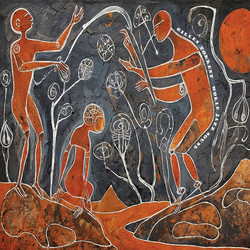
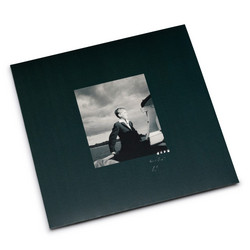
Flipping the workflow of their debut - workshopped in the city, recorded in the countryside - The Call was tracked at Montréal’s legendary Hotel2Tango, with Sylvaine Arnaud capturing and mixing the sessions. The production leans into the band’s live energy: drums are powerful and present, horns and bass are close enough to feel breath and touch, and inventive analog processing subtly accentuates impact without smoothing the edges. Mastering by Jon Kaspy preserves a wide dynamic range, allowing both explosive peaks and whispered details to coexist. The visual presentation, shaped by designer Yeşim Tosuner with photography by Marc‑Étienne Mongrain, echoes the album’s themes of signal, environment and entanglement.
Those themes are not abstract. Bellbird are socially and politically engaged musicians, and The Call bears the imprint of their concerns. The record channels their feelings about the climate crisis and the need for global solidarity, with one centrepiece, “Blowing on Embers”, explicitly dedicated to a free Palestine. The closing note on the album’s inspiration makes the stakes clear: these pieces spring from a sense of our interconnectedness as humans within the earth’s wider ecosystems, “affirmed as a relationship of reciprocity.” In that light, The Call is more than a stylistic step forward; it is a unified cry from a band fully inhabiting its collective voice, insisting that listening, response and shared risk are the only ways to make music - and perhaps to live - in a burning world.