András Szőllősy
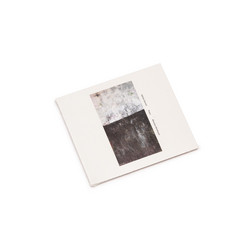
Trasfigurazioni / Musica Per Orchestra (LP)
condition (record/cover): NM / NM
András Szőllősy (1921-2007) is the composer the Kurtág story displaced. In the mid-1970s a small group of British critics - Dominic Gill, Stephen Walsh, John Weissmann - began writing about a generation of Hungarian composers that included Szőllősy alongside Sándor Balassa, Attila Bozay, and Zsolt Durkó, positioning them as the heirs of Bartók and Kodály who had also absorbed the post-war European avant-garde. Walsh called *Trasfigurazioni* "one of Szőllősy's best works." The BBC Northern Symphony Orchestra performed it in 1980. But Kurtág's ascent after *Troussova* cast a long shadow over his contemporaries, and Szőllősy was barely heard again in the West despite a body of work of remarkable depth and consistency.
Szőllősy studied at the Franz Liszt Academy under Zoltán Kodály, spent a formative year with Goffredo Petrassi at the Santa Cecilia Academy in Rome in 1947-48, and taught music history and theory at the Academy until his death. As a musicologist, he is the creator of the Szőllősy index of Bartók's works. As a composer, he spent the early decades of his career navigating between the Kodály tradition he had been trained in and the post-Webernian language he encountered at Darmstadt - rejecting both, slowly, in favor of something more personal. The decisive break came with *Concerto No. 3* (1968), which won first prize at UNESCO's International Rostrum in Paris in 1970.
Trasfigurazioni (1972) and Musica per orchestra (1972), both presented on this LP, represent his mature voice fully formed: a large symphony orchestra deliberately stripped of percussion and plucking instruments, developing a contrapuntal language unique among his contemporaries - heterophonic, ostinato-driven, dense but never opaque. László Krasznahorkai, writing about *Trasfigurazioni*, arrived at the conclusion that "man does not deserve music" - which may overstate it, but gives some sense of the work's gravity. Hungarian Radio and Television Orchestra under György Lehel. Original Hungaroton pressing.