Reissues
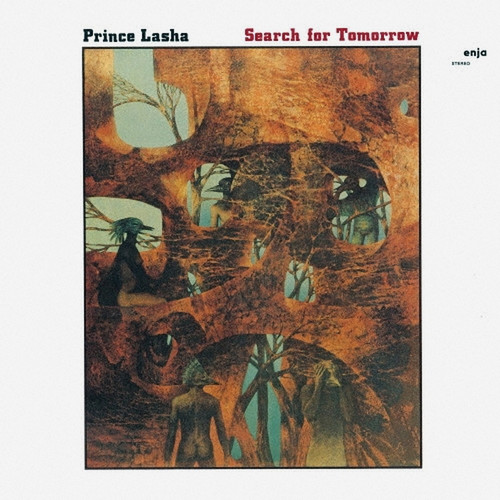
Search For Tomorrow
Berkeley Jazz Festival, 1974. Prince Lasha, the Fort Worth altoist and flautist who had made The Cry! with Sonny Simmons and Iron Man with Dolphy, with Hubert Eaves on piano, Ron Carter on bass, Roy McCurdy on drums and Kenneth Nash on percussion. Three pieces, including the sixteen-minute Mayflower.
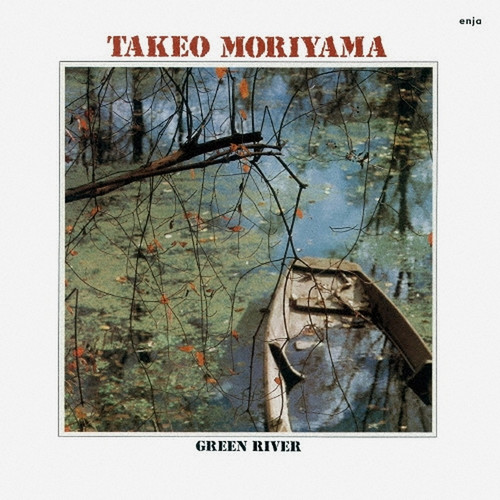
Green River
Nuremberg, East-West Jazz Festival, 6 July 1984. Takeo Moriyama, the drummer of the first Yosuke Yamashita Trio, with his own quartet: Toshihiko Inoue on tenor and soprano, Shuichi Enomoto on flute and saxophones, Hideaki Mochizuki on bass. Recorded live and issued by Enja the same year.
Moriyama had left Yamashita in 1975 and spent the following decade building a group sound of his own. The Vap record East Plants (1983) was the studio version of this band; Green River is the same lineup, less o…
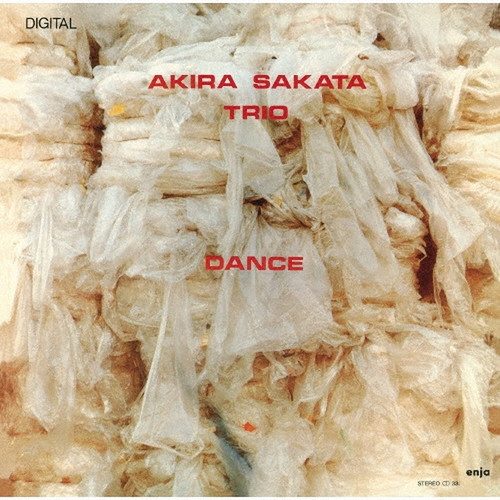
Dance
Munich, Vielharmonie, 11 June 1981. Akira Sakata, two years out of the Yosuke Yamashita Trio, with his own trio, Hiroshi Yoshino on bass and Nobuo Fujii on drums, recorded digitally for Enja. Alto sax, alto clarinet and voice; four long pieces, including a version of Brigitte Fontaine's Comme à la radio.
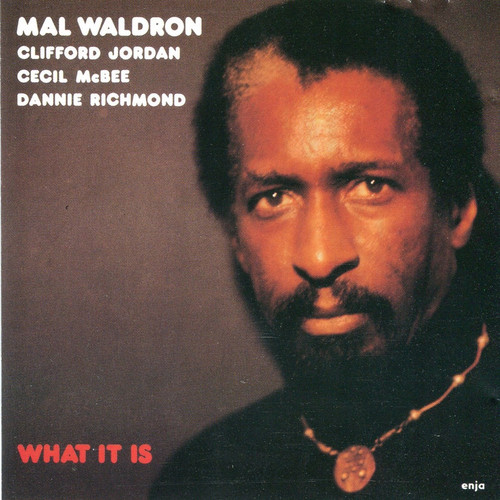
What It Is
Vanguard Studios, New York, 15 November 1981. Mal Waldron with Clifford Jordan on tenor, Cecil McBee on bass and Dannie Richmond on drums, two weeks after the same quartet had played a Columbia University concert. Produced by Horst Weber for Enja, released in 1982.
Three pieces. Jordan's Charlie Parker's Last Supper; Waldron's Hymn from the Inferno, twelve minutes; and the title track, eighteen minutes, which takes the whole second side. Ron Wynn at AllMusic gives it three stars and two words: d…
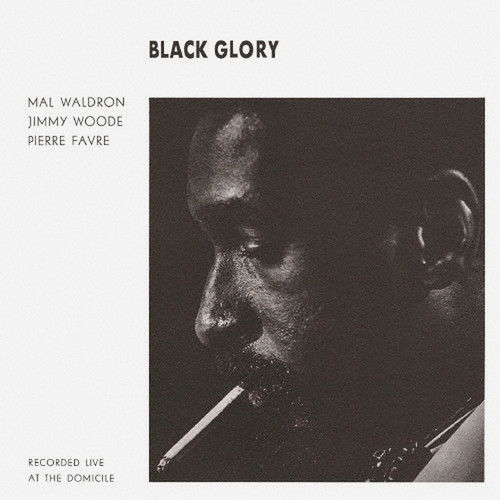
Black Glory
One of the first Enja records, the fourth in the catalogue according to AllMusic, recorded live at the Domicile club in Munich in June 1971. Mal Waldron in trio with Jimmy Woode, the former Ellington bassist, and the Swiss drummer Pierre Favre. The same trio made Mal Waldron Plays the Blues for the label the same year.
Four Waldron originals (Sieg Haile, La gloire du noir, The Call, Rock My Soul) and Woode's brief M.C.. AllMusic's note describes a master of repetition and brooding chords in exce…
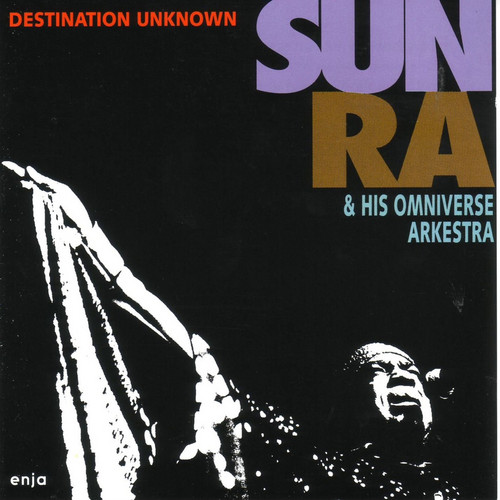
Destination Unknown
Moonwalker, Aarburg, Switzerland, 29 March 1992. Sun Ra, fourteen months from the end, at synthesizer and piano with a ten-piece Arkestra: Marshall Allen, Michael Ray, Ahmed Abdullah, Tyrone Hill, Buster Smith. Ten pieces in fifty-six minutes, mostly repertoire, groove over improvisation. Released by Enja.
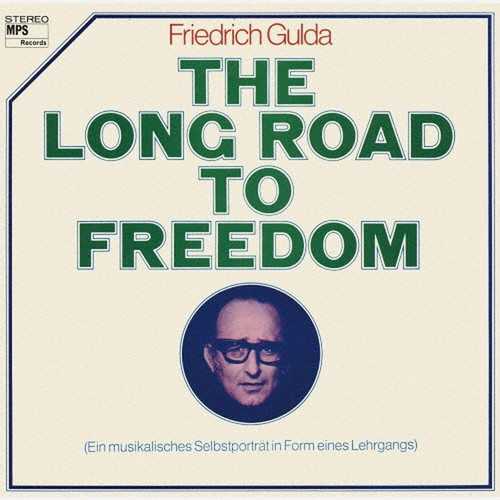
The Long Road To Freedom
Villingen, 26 February 1971. Friedrich Gulda's self-portrait in the form of a course, a double LP mostly of solo piano with Klaus Weiss on drums, Fritz Pauer and a horn section including Benny Bailey and Sahib Shihab. Prelude and Fugue, Play Piano Play, a set of variations on Light My Fire, and a Goethe setting.
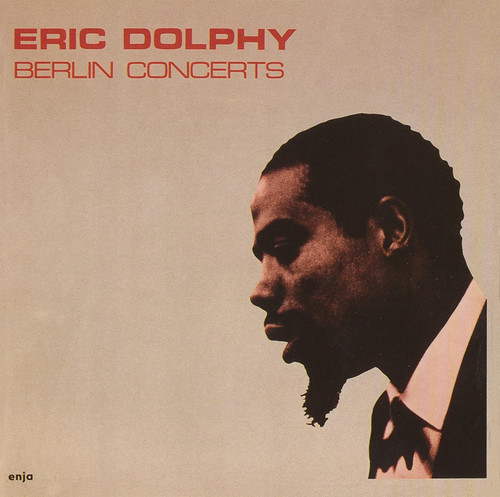
Berlin Concerts
Berlin, 30 August 1961, two Südwestfunk sessions: Eric Dolphy at 33, on his second European trip, with Benny Bailey, Pepsi Auer, George Joyner and Buster Smith. Hot House, Hi-Fly, God Bless the Child on bass clarinet, and Dolphy's own G.W. and 245. Unheard until Enja issued it in 1978. Christgau gave it an A.
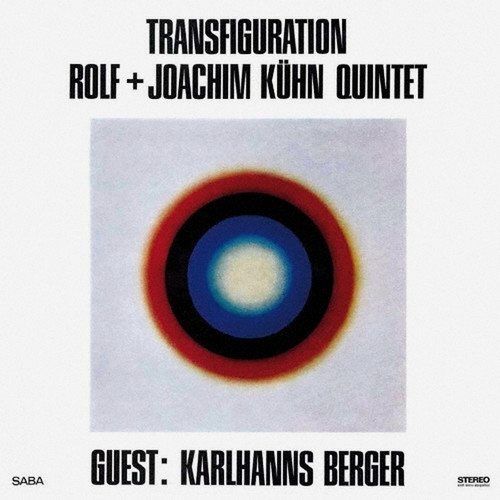
Transfiguration
1967. Joachim Kühn had left the GDR the year before and settled in Hamburg; Rolf Kühn, his elder brother, had come back from six years in New York (Benny Goodman, the Tommy Dorsey band) to run the NDR television orchestra. They had already played Newport together. Transfiguration, on SABA, is the Rolf + Joachim Kühn Quintet with Karl Berger as guest on vibraphone, made in the months before Joachim moved to Paris for good.
It sits between two records the brothers made the same year: Re-Union in B…
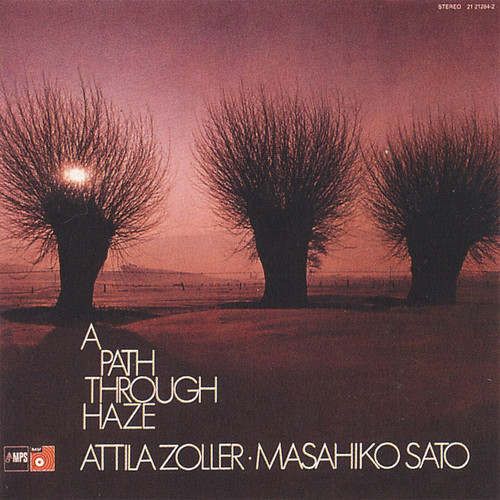
A Path Through Haze
Berlin, Teldec Studio, 7 November 1971, the same day Terumasa Hino was cutting Vibrations for Enja across town. Joachim-Ernst Berendt, who had brought Masahiko Satoh's trio to the Berliner Jazztage, put them in a studio with the Hungarian guitarist Attila Zoller: Satoh on piano, Yasuo Arakawa on bass, Masahiko Ozu on drums, Zoller on guitar. MPS released it in 1972.
Six pieces. Meet, nine minutes, opens; Sazo is short; the traditional Black Is the Color of My True Love's Hair is the ballad; Clos…
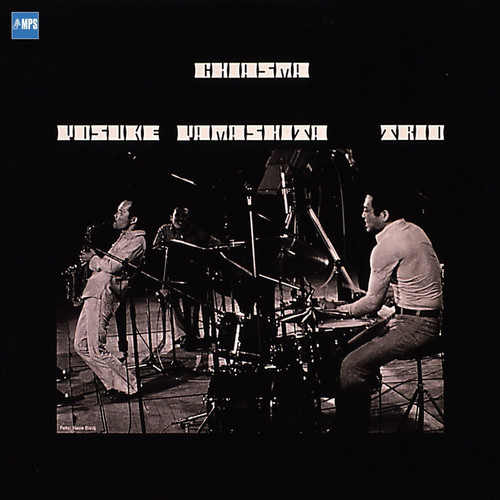
Chiasma
Heidelberg Jazztage, 6 June 1975. The Yosuke Yamashita Trio with Akira Sakata and Takeo Moriyama in its second European season, recorded by Carlos Albrecht for MPS. Piano and drums duets, a Moriyama drum solo, and the fourteen-minute Hachi. Forty minutes of the loudest trio of the decade.
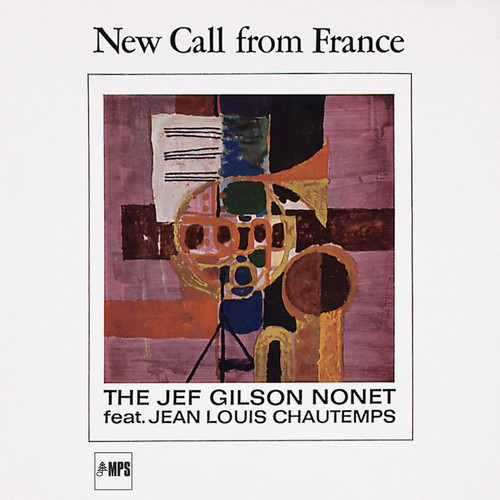
New Call From France
Jef Gilson (born Jean-François Quiévreux, 1926) had played clarinet with Claude Luter in Boris Vian's band, switched to piano in 1947, and in 1963 formed the big band through which half of French modern jazz would pass. In 1965 he was musical director of Les Double Six. That year Woody Shaw and Nathan Davis played in his orchestra. New Call From France, released by SABA in 1966 and credited to the Jef Gilson Nonet with Jean-Louis Chautemps, is the record he made for the Black Forest label at the…
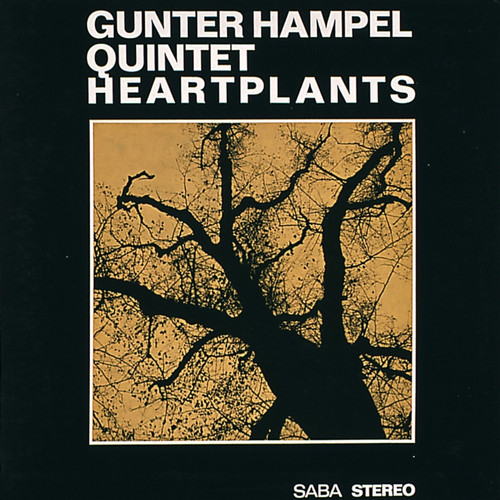
Heartplants
Gunter Hampel's first record, 1965, on SABA: a quintet with Manfred Schoof on trumpet, Alexander von Schlippenbach on piano and Buschi Niebergall on bass, a year before Globe Unity. Down Beat gave it five stars. Hampel on vibes and flute, Dolphy and Ayler in the room, nobody screaming.
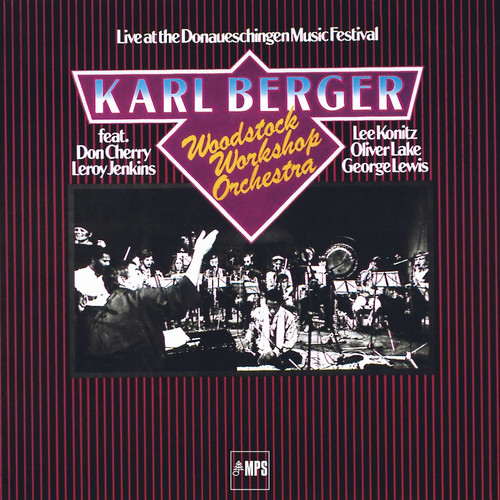
Live At The Donaueschingen Music Festival
Donaueschingen, October 1979. Karl Berger brought the orchestra of his Creative Music Studio from Woodstock to the German contemporary music festival, and Südwestfunk and MPS recorded it. The roster reads like the CMS guest book: Don Cherry on trumpet and bamboo flute, Lee Konitz on alto, Oliver Lake on alto, soprano and flute, George Lewis on trombone, Leroy Jenkins on violin, Trilok Gurtu on tabla and congas, Peter Apfelbaum on drums and baritone, Ingrid Sertso singing, Berger on vibes and pia…
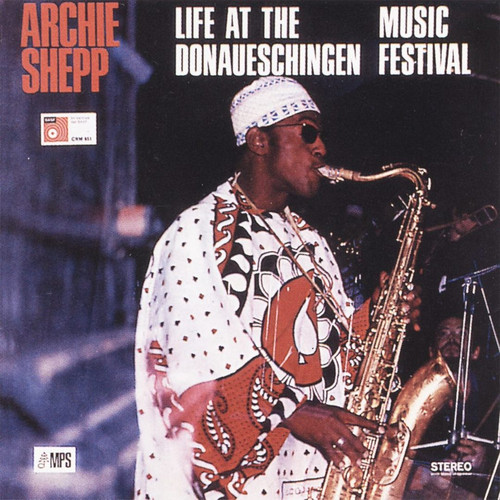
Live At The Donaueschingen Music Festival
Donaueschingen, 21 October 1967. Archie Shepp with Roswell Rudd and Grachan Moncur III on trombones, Jimmy Garrison on bass, Beaver Harris on drums. One piece, One for the Trane, forty-three minutes, three months after Coltrane's death, opening with a seven-minute Garrison solo and ending in The Shadow of Your Smile.
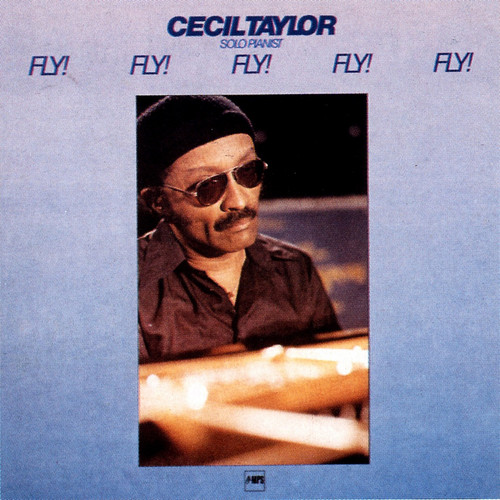
Fly! Fly! Fly! Fly! Fly!
MPS studio, Villingen, 14 September 1980. Cecil Taylor alone at the Bösendorfer Imperial the studio had bought for Gulda, after two days of practising. Eight pieces, one of them fifty-three seconds long, the first side running as a suite. Berendt heard Tatum, Bud Powell and boogie in it. Taylor wrote the title in the guest book.
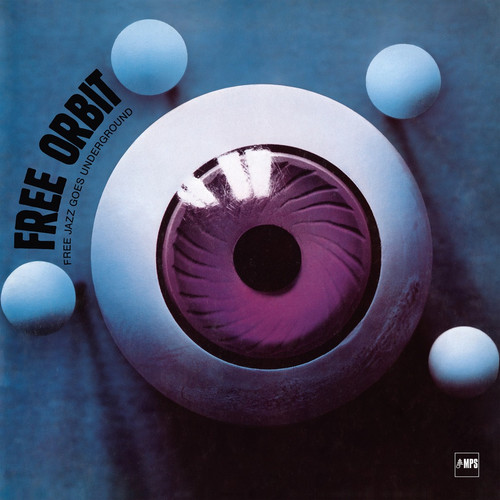
Free Jazz Goes Underground
Hamburg, 1969. A drummer recently arrived from Westphalia, known around the Jazzhouse on Brandstwiete as a capable timekeeper who could swing in 4/4 and play rock beats, which is why Klaus Doldinger had hired him for Passport. His name was Udo Lindenberg. Free Jazz Goes Underground, released by MPS in 1970 under the name Free Orbit, is the first studio album of the band he led, and he sings on it, in English, alongside a second vocalist.
MPS's own note on the reissue admits you need careful list…
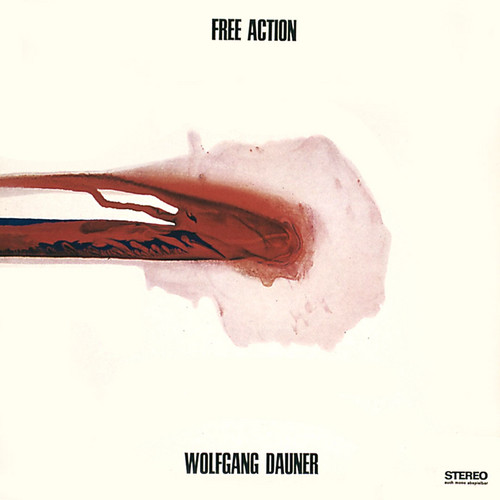
Free Action
Wolfgang Dauner's 1967 SABA septet: Jean-Luc Ponty on violin, Gerd Dudek on tenor and clarinet, Eberhard Weber on cello, Jürgen Karg on bass, and two drummers, Mani Neumeier and Fred Braceful. Mingus-like themes that dissolve into free playing, Neumeier on tabla for the Spanish disguise. Out of print for forty years.
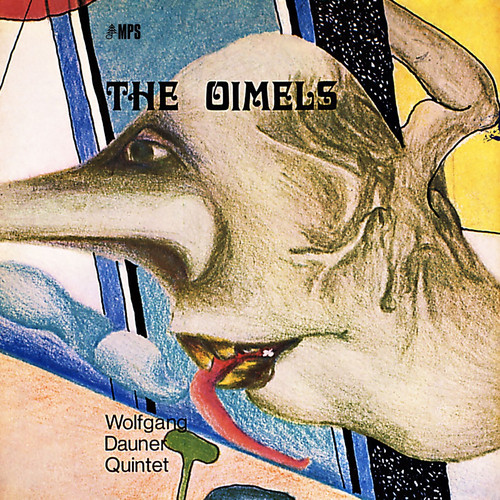
The Oimels
Two years after Free Action, a different record. The Oimels, MPS 1969, is the Wolfgang Dauner Quintet playing pop: Dauner on piano, organ and voice, Eberhard Weber on bass, cello and voice, Siegfried Schwab on guitar and sitar, Pierre Cavalli on guitar, and Roland Wittich on drums and voice, who also did the cover art with Dauner.
The programme mixes Dauner originals with a Gershwin tune, a traditional, and a Lennon-McCartney song. A RateYourMusic listener puts it plainly: a different kind of ja…
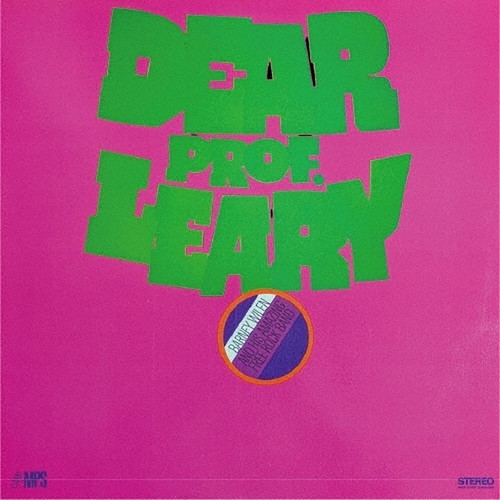
Dear Prof. Leary
Villingen, 27 and 28 June 1968. Barney Wilen, the tenor of Ascenseur pour l'échafaud, with a young Joachim Kühn on organ and piano, Aldo Romano and Wolfgang Paap on two drum kits, Mimi Lorenzini's guitar and Günter Lenz's bass. Ode to Billie Joe, Respect, Lonely Woman and the Supremes, dedicated to Timothy Leary.