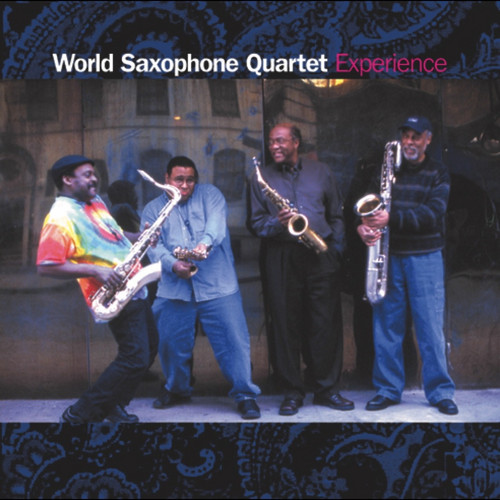
Experience
Eight Jimi Hendrix songs for four saxophones, plus trombone, violin, electric bass and drums. Experience was recorded over three days, 13 to 15 March 2003, and released by Justin Time in 2004.
By then the World Saxophone Quartet had a new fourth voice. Bruce Williams, on alto and soprano, had replaced John Purcell alongside the three founders, Hamiet Bluiett, Oliver Lake and David Murray. For the Hendrix material they brought in a rhythm section: Matthew Garrison on electric bass, Gene Lake (Oli…
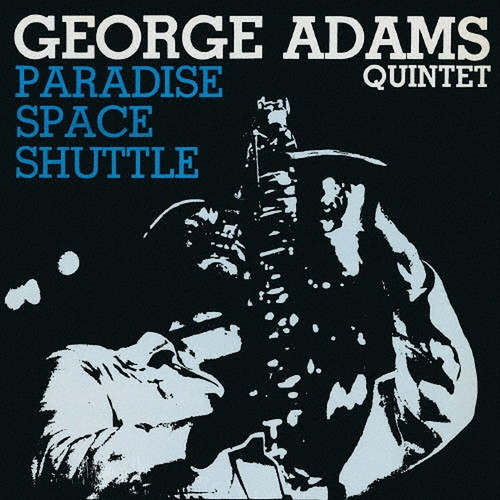
Paradise Space Shuttle
George Adams' first record under his own name for a US audience, cut in one day in New York, 21 December 1979, with Ron Burton, Don Pate, Al Foster and Azzedin Weston. Hard bop, a Sondheim ballad, a Mingus tribute, and the fourteen-minute Funk-a-Roonie Peacock with Adams on flute and voice.
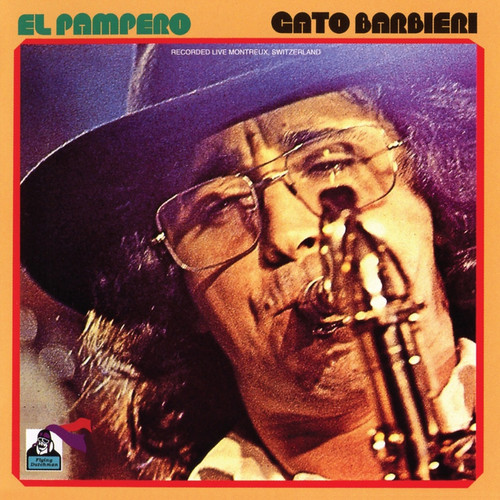
El Pampero
Montreux, 18 June 1971. Gato Barbieri on tenor, Lonnie Liston Smith on piano, Chuck Rainey on electric bass, Bernard Purdie on drums, Sonny Morgan on congas and Naná Vasconcelos on berimbau and percussion. Bob Thiele produced, and Flying Dutchman issued it the same year.
Four pieces and forty-one minutes. The title track, Barbieri's own, runs almost fourteen. Then a Carlos Gardel tango, Mi Buenos Aires Querido, a Brazilian standard, Brasil, and twelve minutes on Atahualpa Yupanqui's El Arriero, …
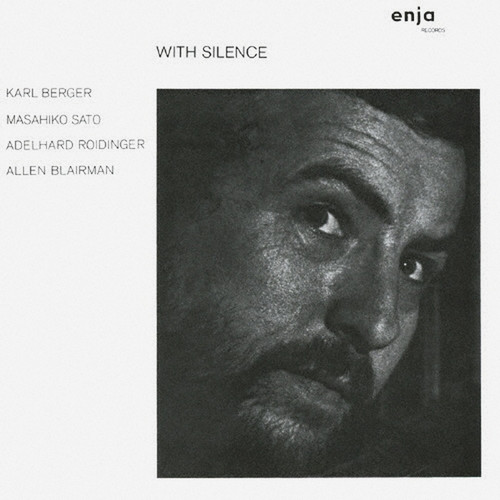
With Silence
Munich, Studio 70, 24 June 1972. Four players who would otherwise never have been in the same room: Karl Berger on vibraphone and marimba, the Japanese pianist Masahiko Sato (the trio Trinity for Enja dates from the same period), the Austrian bassist Adelhard Roidinger, and Allen Blairman, the Pittsburgh drummer who had played with Albert Ayler and was then Mal Waldron's regular in Germany.
Berger had been in Don Cherry's Paris band, had recorded for ESP and Milestone, and in 1972 was founding t…
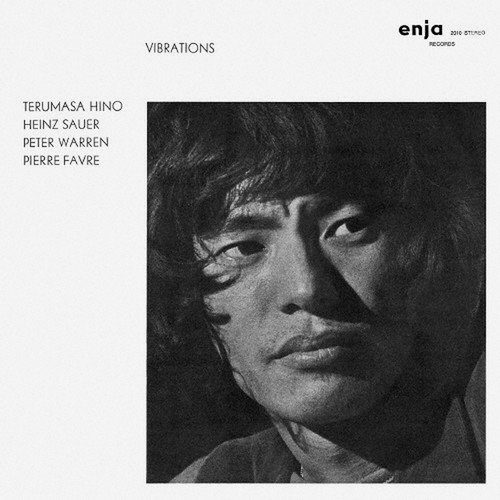
Vibrations
Berlin, 7 November 1971, the week of the Berliner Jazztage. Terumasa Hino on trumpet and flute with the Frankfurt tenor Heinz Sauer, Peter Warren on bass and Pierre Favre on drums, for Enja's second year. Five long pieces, free and arranged in turns, including Into the Heaven and Dig It.
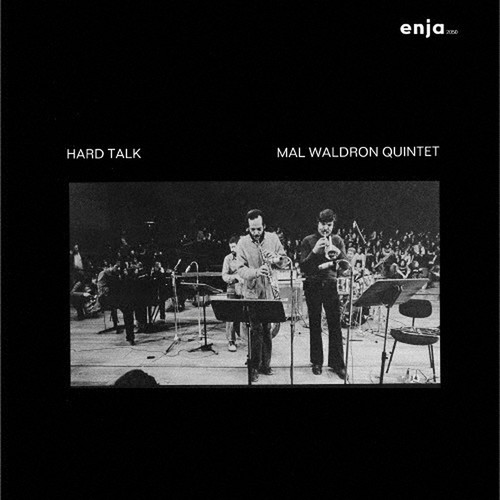
Hard Talk
Nuremberg, East-West Festival, 4 May 1974. Mal Waldron's quintet with Steve Lacy on soprano, Manfred Schoof on cornet, Isla Eckinger and Allen Blairman. Four Waldron compositions, live; AllMusic gives it four and a half stars and calls it a strong set where Schoof often steals the solo honours.
The Wide Point
Walldorf Studio, near Frankfurt, 1 and 2 May 1975. Albert Mangelsdorff on trombone, Palle Danielsson on bass, Elvin Jones on drums. Seven pieces, thirty-nine minutes, released by MPS the same year.
Mangelsdorff had recorded with Jones once before, on the 1968 duet album Albert Mangelsdorff and His Friends. The Wide Point is the first of his trombone-bass-drums trio records, the format that would produce Trilogue with Pastorius and Mouzon the following year and the Montreux album in 1980. The ban…
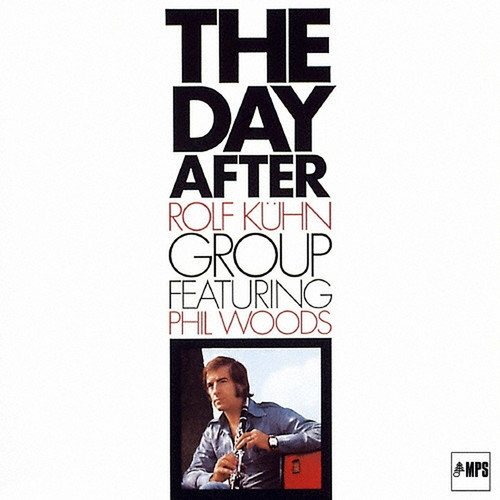
The Day After
Rolf Kühn and Phil Woods had worked together in New York in the late 1950s, when Kühn was there with Benny Goodman and the Tommy Dorsey orchestra. The Day After, released by MPS in 1972, is their reunion: Woods on alto, Kühn on clarinet, Joachim Kühn on piano, Peter Warren on bass, Oliver Johnson (Steve Lacy's drummer for a decade) on drums, and Naná Vasconcelos on percussion and berimbau.
Five pieces, forty-one minutes. Ca. 1-9-5-2 looks back to the bop era but is played modally. The title trac…
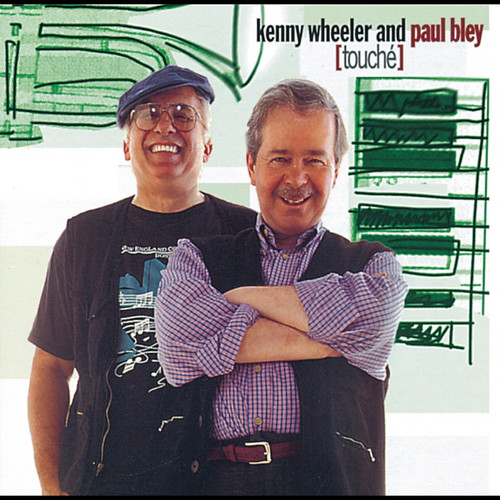
Touché
Studio Tempo, Montreal, 19 July 1996. Kenny Wheeler and Paul Bley, two Canadians who left for New York forty years earlier, in duo for the first time on record. Thirteen short pieces, seven by Wheeler and six by Bley, alternating; trumpet and flugelhorn against a piano that leaves most of the space empty.
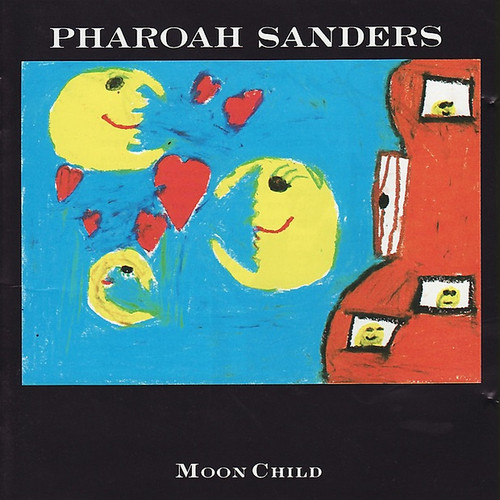
Moon Child
Paris, Studio Davout, 12 and 23 October 1989. Pharoah Sanders with William Henderson on piano, Stafford James on bass, Eddie Moore on drums and Cheikh Tidiane Fall on percussion. Produced by Wim Wigt for Timeless, released in 1990.
The Penguin Guide called it the straightest jazz album Sanders had made for years, and heard what he was after: a hypnotic groove that lets the horn float almost at will. Steve Loewy at AllMusic writes that the results may have disappointed some fans at the time, but …
Sold Out
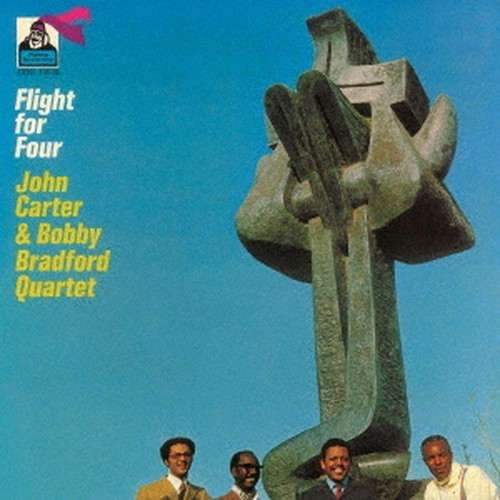
Flight For Four
Los Angeles, 1969. The first record of the John Carter - Bobby Bradford Quartet, the West Coast free jazz band Ornette Coleman had brought together in 1965, with Tom Williamson on bass and Bruz Freeman on drums. Five Carter pieces for Bob Thiele's new Flying Dutchman, from Call to the Festival to Domino.
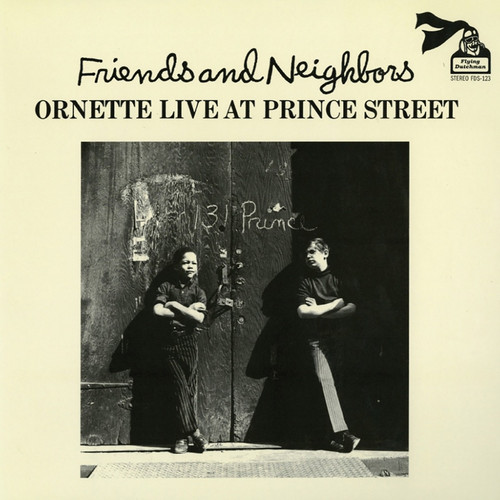
Friends And Neighbors (Ornette Live At Prince Street)
Ornette Coleman's loft at 131 Prince Street, Valentine's Day 1970. Dewey Redman, Charlie Haden, Ed Blackwell, and whoever was in the room singing the title chant. The only Coleman album on Flying Dutchman: six pieces, Ornette on alto, trumpet and violin, taped as a party rather than a concert.
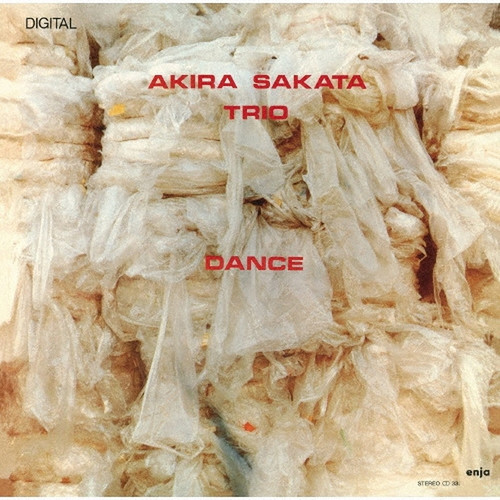
Dance
Munich, Vielharmonie, 11 June 1981. Akira Sakata, two years out of the Yosuke Yamashita Trio, with his own trio, Hiroshi Yoshino on bass and Nobuo Fujii on drums, recorded digitally for Enja. Alto sax, alto clarinet and voice; four long pieces, including a version of Brigitte Fontaine's Comme à la radio.
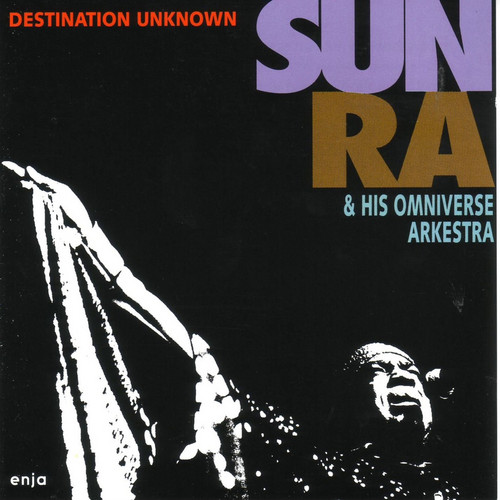
Destination Unknown
Moonwalker, Aarburg, Switzerland, 29 March 1992. Sun Ra, fourteen months from the end, at synthesizer and piano with a ten-piece Arkestra: Marshall Allen, Michael Ray, Ahmed Abdullah, Tyrone Hill, Buster Smith. Ten pieces in fifty-six minutes, mostly repertoire, groove over improvisation. Released by Enja.
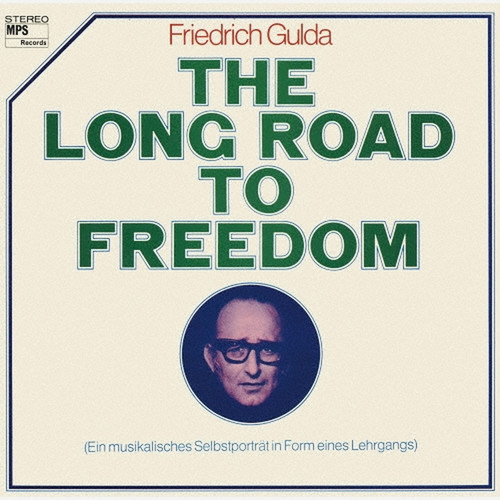
The Long Road To Freedom
Villingen, 26 February 1971. Friedrich Gulda's self-portrait in the form of a course, a double LP mostly of solo piano with Klaus Weiss on drums, Fritz Pauer and a horn section including Benny Bailey and Sahib Shihab. Prelude and Fugue, Play Piano Play, a set of variations on Light My Fire, and a Goethe setting.
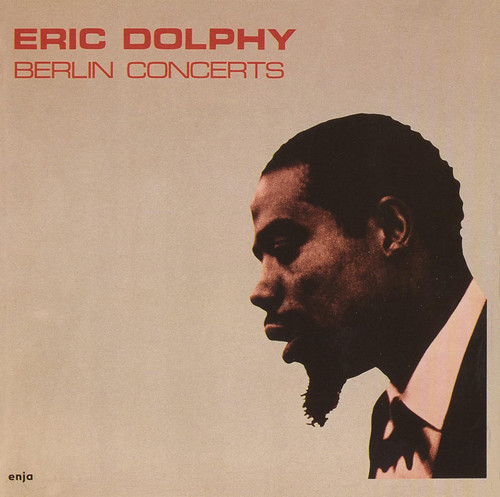
Berlin Concerts
Berlin, 30 August 1961, two Südwestfunk sessions: Eric Dolphy at 33, on his second European trip, with Benny Bailey, Pepsi Auer, George Joyner and Buster Smith. Hot House, Hi-Fly, God Bless the Child on bass clarinet, and Dolphy's own G.W. and 245. Unheard until Enja issued it in 1978. Christgau gave it an A.
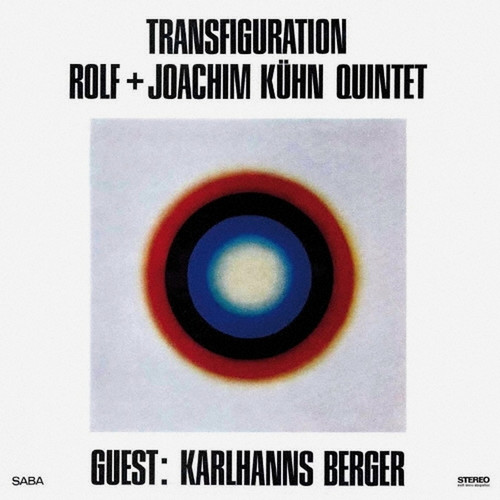
Transfiguration
1967. Joachim Kühn had left the GDR the year before and settled in Hamburg; Rolf Kühn, his elder brother, had come back from six years in New York (Benny Goodman, the Tommy Dorsey band) to run the NDR television orchestra. They had already played Newport together. Transfiguration, on SABA, is the Rolf + Joachim Kühn Quintet with Karl Berger as guest on vibraphone, made in the months before Joachim moved to Paris for good.
It sits between two records the brothers made the same year: Re-Union in B…
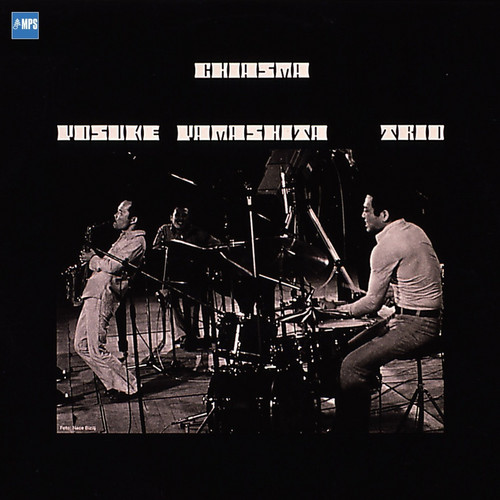
Chiasma
Heidelberg Jazztage, 6 June 1975. The Yosuke Yamashita Trio with Akira Sakata and Takeo Moriyama in its second European season, recorded by Carlos Albrecht for MPS. Piano and drums duets, a Moriyama drum solo, and the fourteen-minute Hachi. Forty minutes of the loudest trio of the decade.
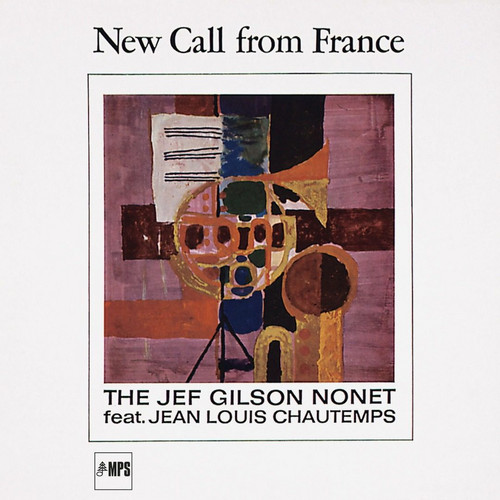
New Call From France
Jef Gilson (born Jean-François Quiévreux, 1926) had played clarinet with Claude Luter in Boris Vian's band, switched to piano in 1947, and in 1963 formed the big band through which half of French modern jazz would pass. In 1965 he was musical director of Les Double Six. That year Woody Shaw and Nathan Davis played in his orchestra. New Call From France, released by SABA in 1966 and credited to the Jef Gilson Nonet with Jean-Louis Chautemps, is the record he made for the Black Forest label at the…
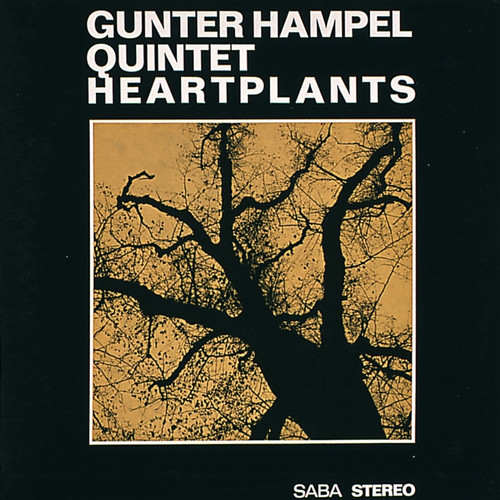
Heartplants
Gunter Hampel's first record, 1965, on SABA: a quintet with Manfred Schoof on trumpet, Alexander von Schlippenbach on piano and Buschi Niebergall on bass, a year before Globe Unity. Down Beat gave it five stars. Hampel on vibes and flute, Dolphy and Ayler in the room, nobody screaming.