Merzbow
Masami Akita has been the name most people reach for when they say "Japanese noise". He started Merzbow in Tokyo in 1979, taking the name from Kurt Schwitters's Merzbau, the collage that slowly filled his house, and treated sound the same way: layers of feedback, tape, junk metal and later laptops piled up until only density is left. Since then he has released well over four hundred records, including the fifty CD Merzbox of 2000.

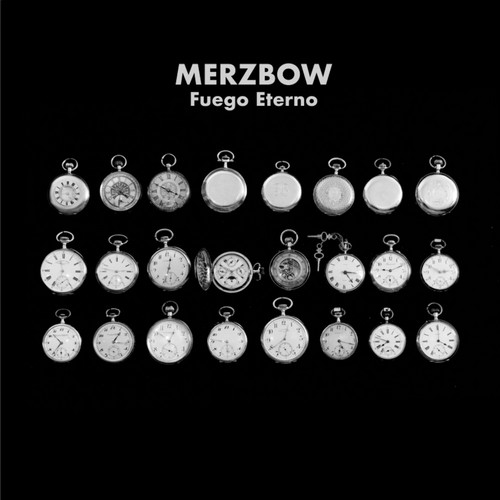
Fuego Eterno
A new Merzbow album, not a reissue: modular analog synthesizer passages and electroacoustic pieces that recall the early cassette years, recorded at Munemihouse in 2021-2022. 2LP on hand-poured Wax Mage vinyl, 300 copies.

Stu the Goat
Merzbow at pocket size: two two-minute parts of harsh noise recorded at Munemihouse in March 2026, cut into a 5" lathe disc in a folded cover sealed with a hand-numbered sticker. Fifty copies, a goat on the sleeve.
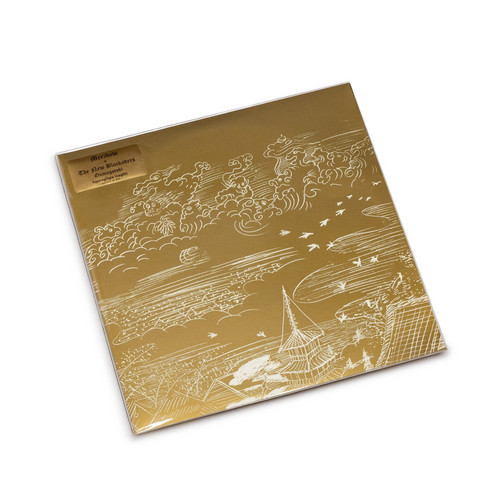
Oumagatoki (LP)
2004 collaboration between the two Kings of Noise released as a 10"LP on Hypnagogia in an edition of 400 copies.

AMM / Merzbow (LP)
Number 4 in Fat Cat's "Split Series" with a 1998 live piece for the seminal free-improvisation group backed with a harsh studio piece by the Japanese king of noise. Edition with plain white cover.
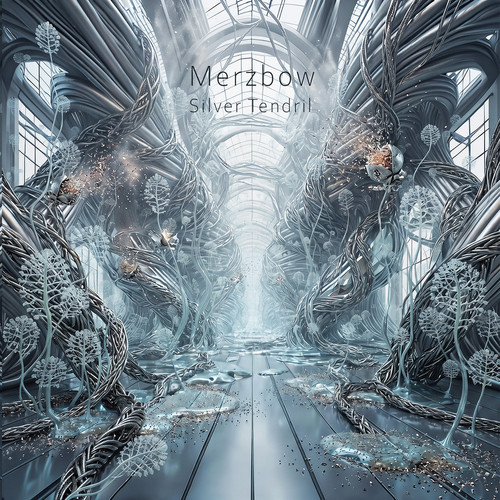
Silver Tendril
*300 copies limited edition* "Silver Tendril" like his recent work, it focuses on the nuances of the sound's "physicality." The intensity of the '90s returns in a refined form, withadded nuance and subtlety. Where "Pulse Demon" emphasized that raw directness (which alreadyforeshadowed the Harsh Noise Wall), "Silver Tendril" develops rhythmic structures within whichsonic chaos suddenly erupts. This is not TNB-style chaos, but rather a gradual breakdown, a perverse shift from structure to chaos.
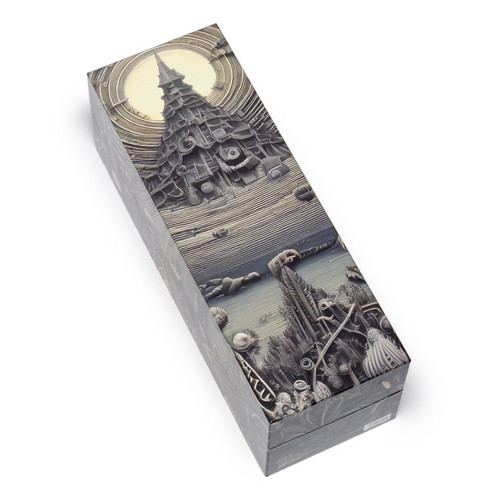
Merzbow 108 CD Box
The Merzbow 108 CD Box turns Merzbow’s vast archive into a monument of productive excess: 108 discs spanning lost albums, alternate mixes, outtakes, rehearsals and recent work, assembled by Slowdown Records across nearly a decade. Its Buddhist number signals 108 worldly desires - but this is noise as discipline, mutation and inexhaustible liberation.
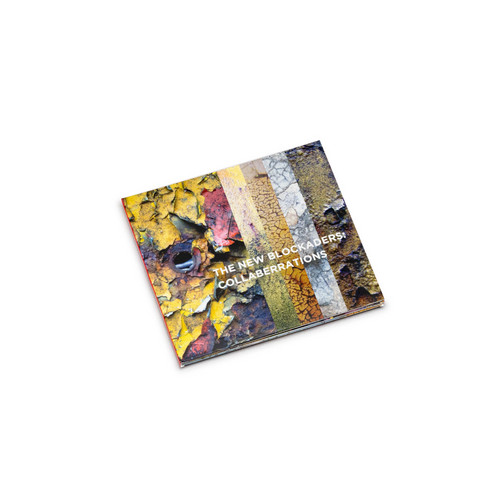
Collaberrations (2CD + 1DVD)
For a group founded on refusal, The New Blockaders have collaborated a great deal. It is less a contradiction than it looks. Where most collaborations in music amount to two recognisable personalities meeting and reinforcing each other, TNB's have always worked in the opposite direction: material is passed over, altered, buried, returned, and what emerges belongs to nobody in particular. Paul Hegarty has described the process as one in which individuality gets swamped, the sound cut loose from a…
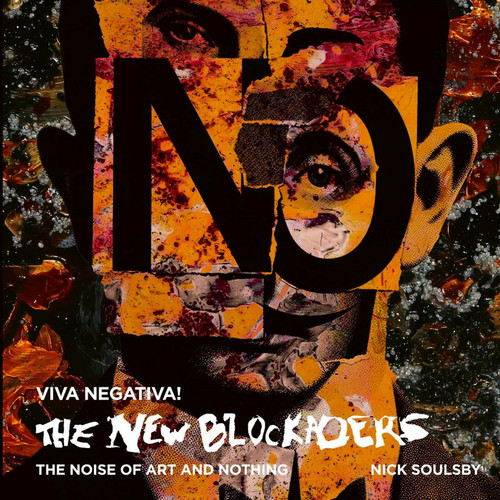
Viva Negativa! The New Blockaders: The Noise of Art and Nothing (Book)
Few gestures in the history of recorded sound have been as absolute as the one Richard and Philip Rupenus made in a garden shed in rural Newcastle in 1982, when – as The New Blockaders – they committed Changez Les Blockeurs to tape and, with it, drew the founding line of noise as an art of pure negation. From the outset TNB armed the music with a manifesto: blockade as resistance, an anti-music and anti-art set against every convention of composition, performance, and even personality, the sound…
Viva Negativa! The New Blockaders: The Noise of Art and Nothing
Few gestures in the history of recorded sound have been as absolute as the one Richard and Philip Rupenus made in a garden shed in rural Newcastle in 1982, when – as The New Blockaders – they committed Changez Les Blockeurs to tape and, with it, drew the founding line of noise as an art of pure negation. From the outset TNB armed the music with a manifesto: blockade as resistance, an anti-music and anti-art set against every convention of composition, performance, and even personality, the sound…
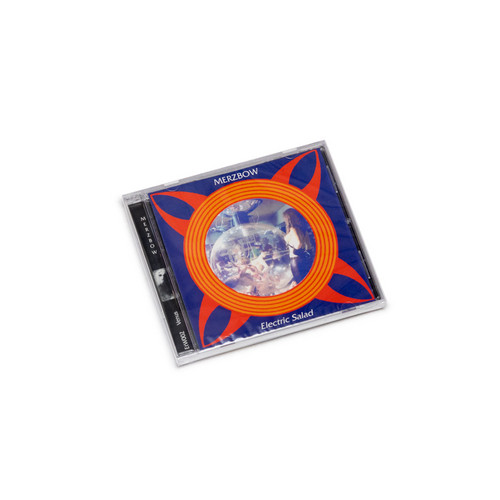
Electric Salad
*Lucky restock* Originally released in 1996, Electric Salad captures Merzbow at one of his most intense and uncompromising moments. Masami Akita builds a dense sonic landscape from layers of distortion, feedback, electronic noise and shifting frequencies.The album pushes noise into a physical and immersive experience, where structure and chaos constantly collide. A powerful document of Merzbow's exploration of extreme sound as a raw and compositional material.
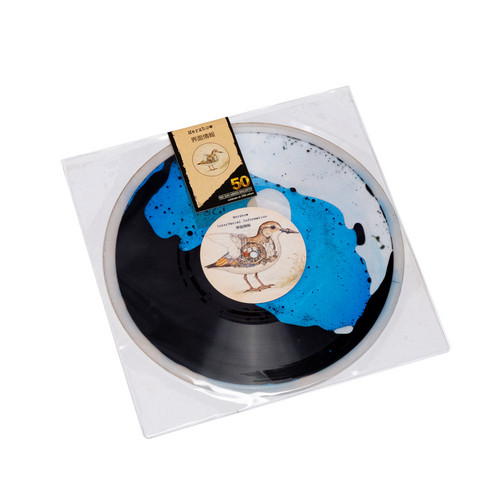
Avian Hydraulics
On Avian Hydraulics, Merzbow compresses four decades of noise praxis into a rarefied 10". A liquid-filled, rainbow-variant disc mirrors the music’s churning pressure: Masami Akita’s latest Munemihouse recording converts imagined bird-machines and fluid mechanics into a gleaming, corrosive miniature of his vast oeuvre.
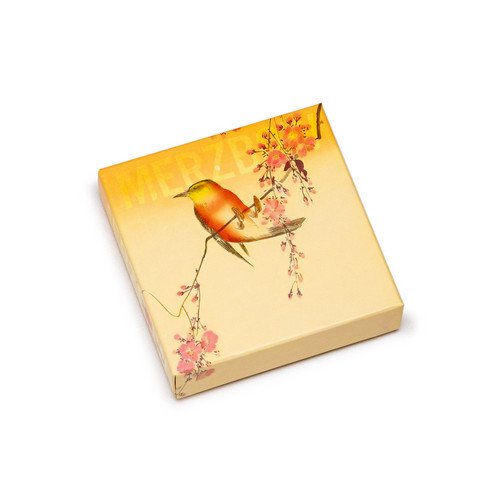
Nine Studies of Ephemeral Resonance Volume 1 - 9
Urashima gathers Merzbow's complete nine-volume cycle in a single box, in an edition of 199: 26 tracks filtering noise through the Japan of haiku and ukiyo-e. Nine vinyl-replica CDs and two Leporello inserts on fine Japanese paper. Noise as contemplation, from one of the great figures of noise
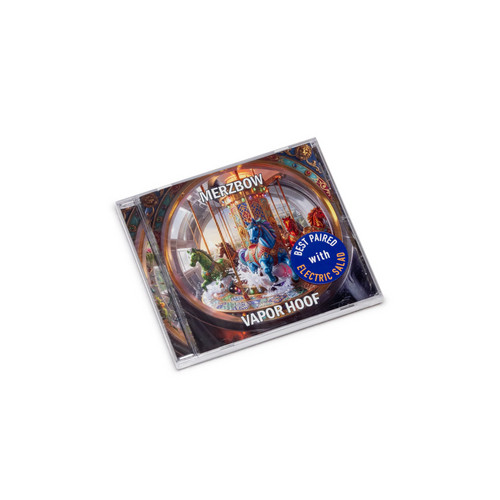
Vapor Hoof
Etherworld is proud to announce a new Merzbow album, "Vapor Hoof" on CD. Our previous Merzbow album, "Electric Salad" came out on the Etherworld label in 1996. This pulse-warping, mind-smashing new release by Masami Akita is coming to stores on Friday, July 17, 2026.

Synthesis Post-Contact
Exclusive Merzbow tape release for his live-gig at XXI Congresso Post Industriale.
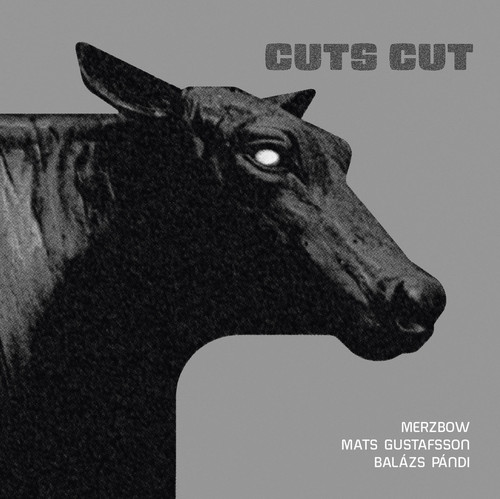
Cuts Cut
Merzbow, Mats Gustafsson and Balázs Pándi, recorded at Victoriaville in 2018 and completed with new recordings in 2025: electronics, bass and baritone saxophones and drums in brutal noise and free jazz.
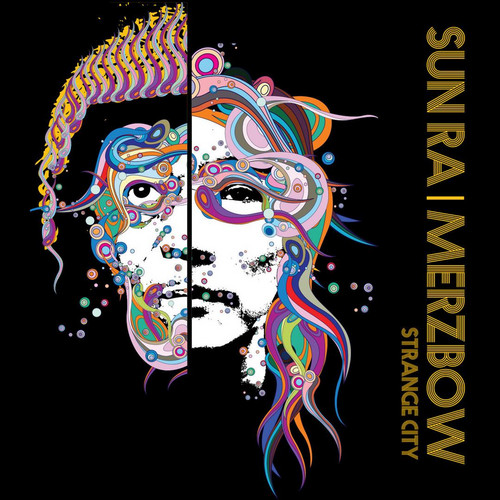
Strange City
On Strange City, Merzbow drags Sun Ra’s archival fire through a bank of howling electronics, turning rare Saturnian jazz fragments into towering, cosmic noise storms where horn blasts, rhythms and feedback fuse into a single, irradiated signal.

Metal Machine Music: Power To Consume [Vol. 2]
Metal Machine Music: Power To Consume Vol. 2 pushes Lou Reed’s feedback inferno into a new era, unleashing Merzbow, Masonna, Lydia Lunch, Blixa Bargeld, Martin Rev and more in a maximalist, Record Store Day 2026 hallucination of infinite noise.

Bardo Thödol
In their third collaboration, the shared project between Merzbow and Pedro Vian shifts towards less confrontational and more introspective terrain. Bardo Thödol, released as an LP, draws on The Tibetan Book of the Dead not so much as an explicit narrative framework but as a conceptual resonance: a passage, a suspension between states.
Where Inside Richard Serra Sculptures and The Wheel of Mani foregrounded a relatively defined dialectic between Vian’s environmental restraint and Masami Akita’s i…
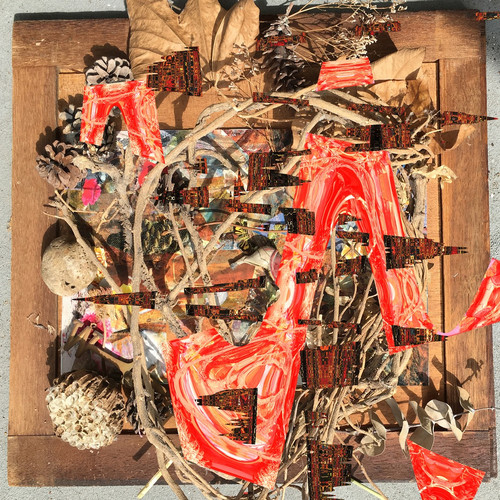
Tsubute Mosaic
Merzbow (aka Masami Akita), animal rights activist, writer, and musician, an Iconic figure in International noise scene. Renowned for his pioneering contributions to the noise music genre, Merzbow has solidified his position as one of its most significant and recognizable figures. From his groundbreaking utilization of tape loops to craft expansive industrial landscapes in the late 1970s, to his transition to laptop-generated static noise at the turn of the century, Merzbow has consistently push…
Sold Out
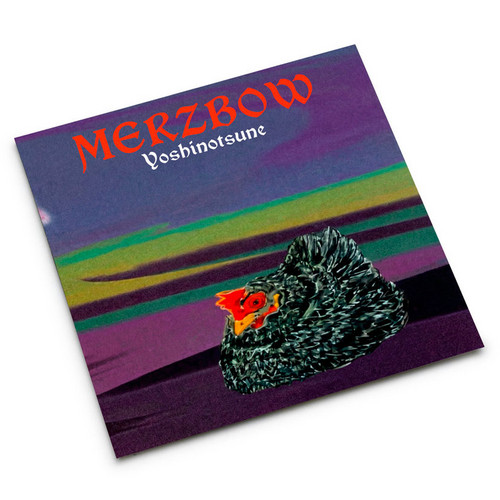
Yoshinotsune
* Edition of 199 copies * Between 1999 and 2000. By the early 2000s, Merzbow had entered a markedly new phase. The tape collages, junk electronics, and analogue chains that had defined his work across the 1980s and 1990s gave way to a digital practice built around laptop, software processing, and a rigorously composed approach to harsh noise. Across releases such as Merzbeat (2002), Animal Magnetism (2003), and the present album, Masami Akita reorganised his vocabulary around dense, sculpted str…
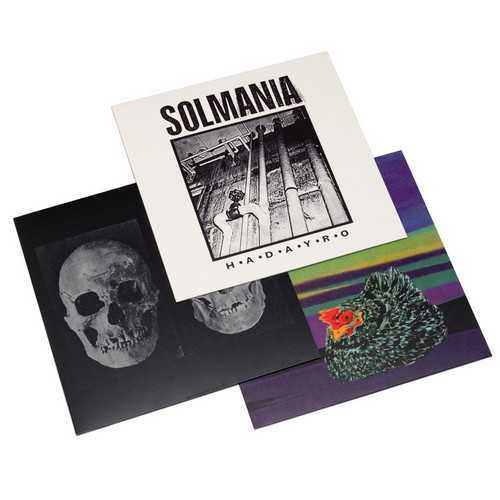
The Human Race Was Restored To Life Repeatedly / Yoshinotsune / Hadayro (3LP Bundle)
Across three decades of uncompromising sound, this series of vinyl reissues traces a raw and evolving lineage within Japanese noise. From the mid-1980s underground to the turn of the millennium, these works capture a continuous process of transformation—where noise is not only pushed to its limits, but constantly redefined.
Beginning with Solmania and the 1985 cassette H·A·D·A·Y·R·O, we encounter a foundational moment: a fiercely physical and experimental approach where self-built instruments, t…
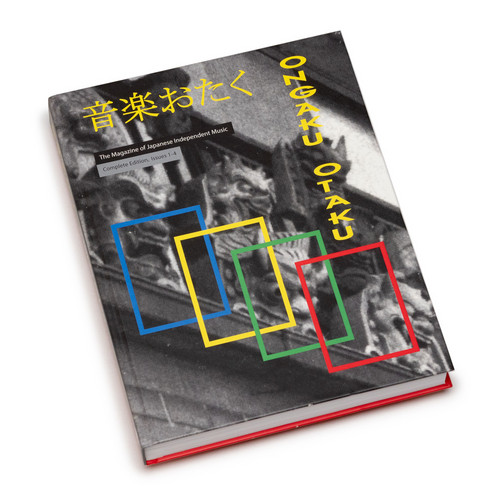
Ongaku Otaku - Complete Edition (Book, Hardcover)
Hardcover, 527 pages, 21×27 cm! In the mid-1990s, four thick, annual issues of Ongaku Otaku magazine were published. Operating from San Francisco, California, the goal was to spread the word about the compelling independent music being produced in Japan. With dozens of interviews and articles, and many hundreds of reviews, the magazine was an influential voice, sharing words about Aube, Cornelius, Yamamoto Seiichi (Boredoms, Rovo, Omoide Hatoba), Shizuka, Jojo Hiroshige (Hijokaidan, Alchemy Reco…
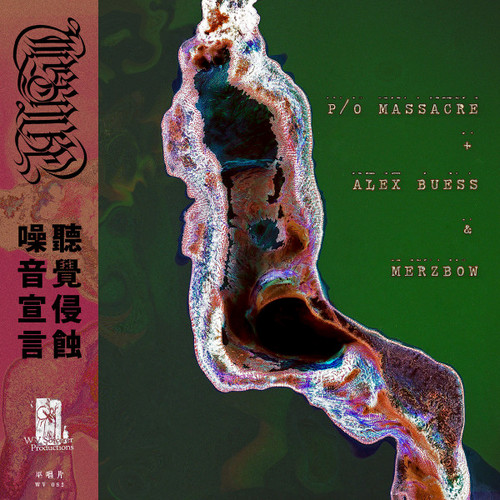
Aural Corrosion
*2026 stock* 2 years after their debut album on Utech Records, P/O Massacre goes deeper in their immersive noise experimentation in this collaboration album with Alex Buess, and Merzbow (Masami Akita). An architecture of distortion, Moog processors, spring reverb, drone effects and more, then developed in different directions by two electronic/noise veterans. It’s a journey of pure sensation, destruction, and rebirth. A skull-vibrating sound decomposition to your face. For this very reason of se…

Double Beat Sequencer Vol.2
Double Beat Sequencer Vol.2 continues Merzbow’s deep dive into a particularly vicious corner of his archive: mid‑2010s sessions built around a relentless “double beat” framework, then buried under signature torrents of noise. Where Vol.1 sketched the template - rigid sequencer patterns hammered into shape and then abused - this instalment feels even more single‑minded. A handful of cycling pulses become the spine for entire pieces, driven by a strict, mechanical insistence that Masami Akita trea…

Double Beat Sequencer Vol.1
Double Beat Sequencer Vol.1 finds Merzbow threading a hard, skeletal pulse through the heart of his noise, treating rhythm less as a scaffold for genre than as another engine of excess. Across these tracks, fixed and cycling beats - the “double” sequences of the title - form blunt, looping structures that Masami Akita subjects to his typical barrage of distortion, feedback, metallic scree and feral electronics. The result is not noise suddenly tamed, but rhythm subjected to the same merciless tr…

TripleAkuma
TripleAkuma is the third in a series of essential live documents from Merzbow. The stage and the studio are not the same place, and Merzbow has an acute understanding of this juxtaposition. Whilst the sheer density of the music might be maintained across both spheres, the live experience of Merzbow is truly something that exists as profoundly physical and moreover, overtly performative.
Merzbow’s live methodologies draw not just from a saturation of frequency at all levels, but a recognition of …

Remblandt Assemblage
One of the most essential early documents of Japanese noise, originally recorded and mixed at home in 1980 and released in 1981 on cassette by Lowest Music & Arts, now given the physical treatment it always deserved: a 2LP set housed in a natural birch wooden box with laser print, hand-numbered edition of just 99 copies. Ninety-nine! With a double-sided 42 x 60 cm poster, heavy card insert reproducing the original master tape cover, and black cardboard strip with album credits. An art object, pl…

Tapestry Of Noise
** 2026 Stock ** If Laptop Noise looks forward into the blinding glare of the digital, Tapestry of Noise looks outward and backward, unspooling an expansive grid of analogue and hybrid recordings that show how Merzbow’s classic language was woven together in the first place. Slowdown’s 6CD expansion assembles long, previously scattered or hard‑to‑access works into a single, overwhelming fabric that moves from twitching tape‑loop delirium to fully seared harsh‑noise architectures.
Early discs re…

Laptop Noise
** 2026 Stock ** Laptop Noise zeroes in on the period where Merzbow’s long‑running practice of junk‑metal abuse, feedback and tape saturation is rechannelled through the seemingly modest frame of a computer. Across six discs, this edition amplifies the original’s premise into a deep survey of his fully digital soundworld: long‑form works where full‑spectrum distortion, high‑frequency shrapnel and seething low‑end swarm are carved into towering blocks, then eroded into swarms of microscopic detai…

Kachouzu
On Kachouzu, Merzbow compresses his late‑period harshness into four short movements, a 2×6″ lathe‑cut blast where metallic textures, searing feedback and dense midrange roar behave less like tracks than like successive cross‑sections of the same noise storm.

Pendulum
**200 copies, sold out at the label** New single from the undisputed god of Japanese noise. Masami Akita - the man behind Merzbow - returns with two tracks recorded in February 2024 at Munemihouse, his legendary home studio in Tokyo. Two sides of pure sonic assault that swing just as the title suggests - "Pendulum, Part 1" and "Pendulum, Part 2" - masses of frequencies in constant motion, pendulums of noise crossing the sonic spectrum with the violence and precision that only Akita can orchestra…
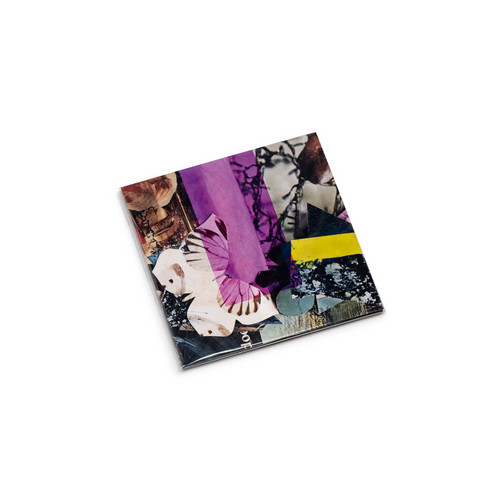
Gman+
Gman+ gathers some of the most elusive material from Merzbow’s 2011–2012 period and welds it into a single, punishing disc, four tracks that function as both archival rescue and self‑contained statement. The collection pulls together work originally issued in limited form, recasting it as a crucial chapter in the same cycle that produced Kumo No Zettaichi, Sugamo Flower, Bit Bluesand Kotorhizome. Across “Gman”, “HJYUGTF2”, “Hakutouwashi” and “Lop 13”, Masami Akita works out a language of layered…
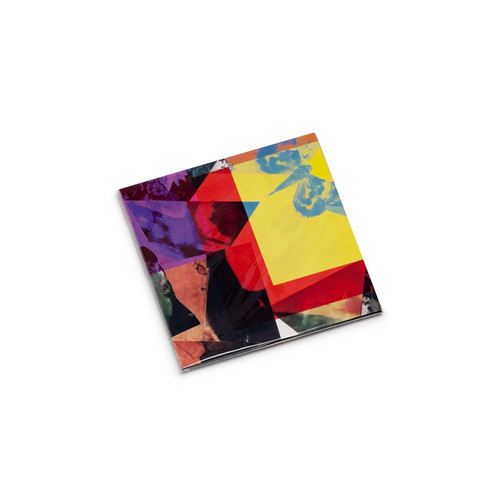
Kotorhizome
Kotorhizome catches Merzbow in a phase where noise stops behaving like a vertical wall and starts acting more like an underground network. Recorded between 2011 and 2012 and released later as part of the Slowdown archive cycle, the album is built from a deceptively modest setup: small koto, synth, and drone box woven into three extended pieces. The title fuses “koto” with “rhizome,” hinting at what the music does structurally - traditional string resonance is fed into electronics and allowed to …
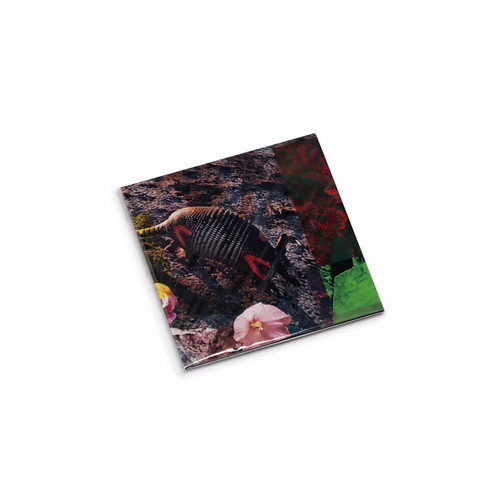
Bit Blues
Bit Blues sits in the middle of Merzbow’s Horizon cycle like a scorched signpost, three tracks cut from performances recorded at Munemihouse in 2011 and 2012 and later remastered in 2021. All the music is by Masami Akita, working with a small, intensely exploited setup that favours dense, bit‑crushed textures and overdriven loops over the more sprawling configurations of earlier decades. The title points in two directions at once: “bit” as in digital grain and reduced resolution; “blues” as in a…
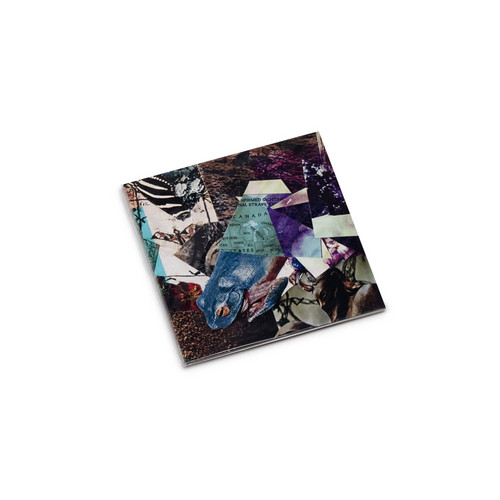
Sugamo Flower
Sugamo Flower compresses a particular 2011 moment in Merzbow’s practice into two long tracks that feel like one continuous, mutating organism. Both pieces are sourced from performances recorded that year, later repurposed as material for “Sugamo Flower Festival” on the split LP Freak Hallucinations with Actuary (2012), which gives the album a double life: document of an event and quarry for subsequent work. Central to the sound is the return of the Korg AX30 multi‑effect pedal, a unit Masami Aki…
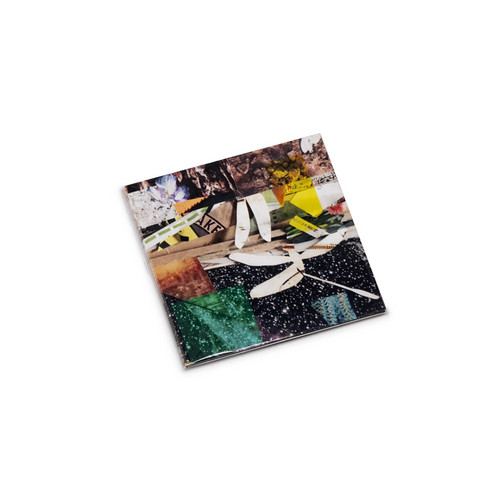
雲の絶対値 Kumo No Zettaichi
On Kumo No Zettaichi, Merzbow trades drum violence for a hall of hovering machines, two 2011 pieces where small drone boxes, oscillators, and minikoto threads knot into a dense but strangely weightless sky of electric weather. It is harsh ambient as charged cloud bank rather than blunt impact.
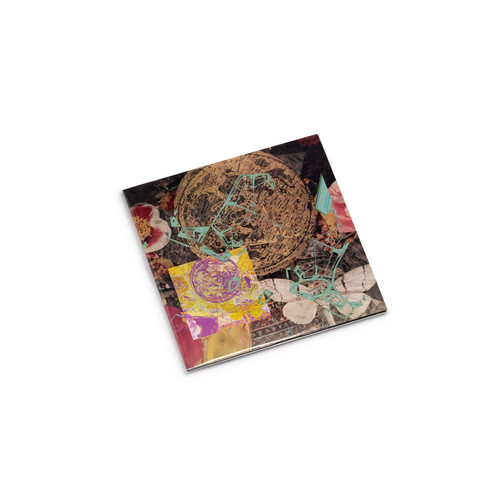
Arijigoku (Test Mix)
On Arijigoku, Merzbow drags live drums and high-saturation electronics into the same pit, a 2008 vortex where blast-beat turbulence and molten noise spiral together like a ritual gone feral. It is harsh music with a striking sense of propulsion, less wall than constantly collapsing tunnel.
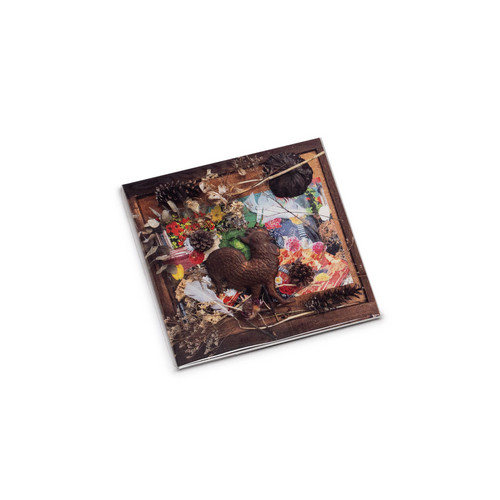
Yono's Journey
Yono's Journey invites listeners to travel through Akita's sonic landscapes, perhaps following an animal guide. Merzbow turns a 2007 home-recorded session into a three-part storm, where hyper-saturated feedback and low-end throb fold into each other like a moving landslide. It is Japanoise as pure velocity: no narrative, just impact reshaping the inner ear.
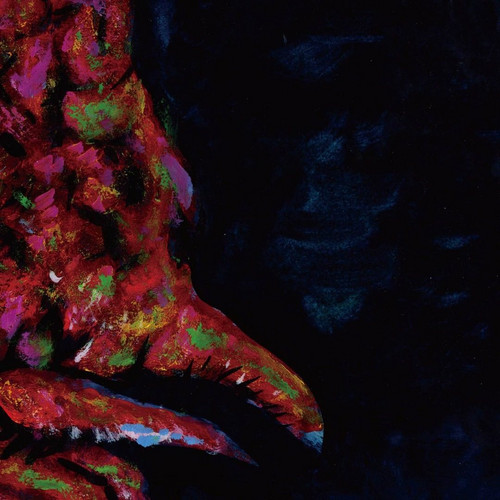
Black Rome
The ominous title evokes fallen empires, decadent excess, historical weight. Rome - eternal city, center of classical and Catholic civilization - becomes "Black," suggesting inversion, corruption, death. Perhaps this is Rome during plague, Rome in ashes, Rome as symbol of all empires' inevitable decline.
Black Rome channels these associations into dense, imposing noise constructions demonstrating apocalyptic intensity. Empire rises and falls; Merzbow provides the soundtrack to collapse.
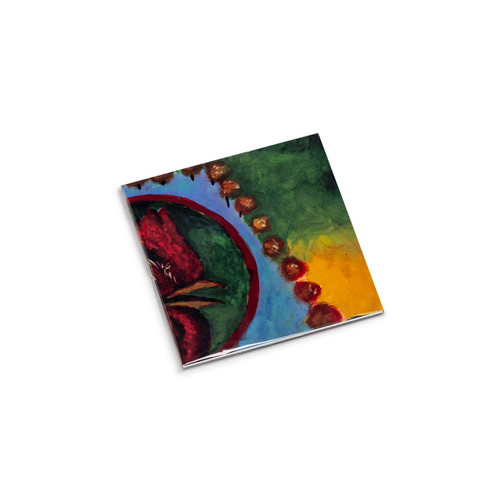
Electronic Union
Electronic Union suggests synthesis, merger, coalition - multiple electronic elements combining into unified sonic statements. These mid-2000s recordings demonstrate Akita's mature integration of diverse digital techniques, creating hybrid approaches transcending any single method.
"Union" implies collective action, solidarity, workers organizing - perhaps the various electronic components forming their own labor movement against conventional music's exploitation.