Nick Soulsby, The New Blockaders
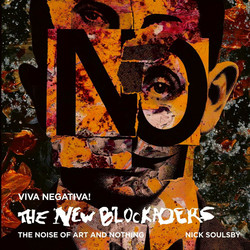
Viva Negativa! The New Blockaders: The Noise of Art and Nothing (Book + 2CD/DVD)
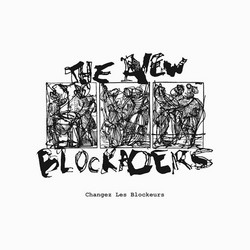
Few gestures in the history of recorded sound have been as absolute as the one Richard and Philip Rupenus made in a garden shed in rural Newcastle in 1982, when – as The New Blockaders – they committed Changez Les Blockeurs to tape and, with it, drew the founding line of noise as an art of pure negation. From the outset TNB armed the music with a manifesto: blockade as resistance, an anti-music and anti-art set against every convention of composition, performance, and even personality, the sound of art dismantling itself until only nothing remains. Nick Soulsby, whose acclaimed studies have already illuminated Coil, Nirvana, Sonic Youth, and Swans, now turns to the most anonymous and uncompromising of them all in Viva Negativa! The New Blockaders: The Noise of Art and Nothing, a 416-page volume gathering more than 450 illustrations – the most extensive consideration ever given to the evolution of noise music.
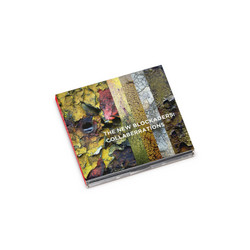
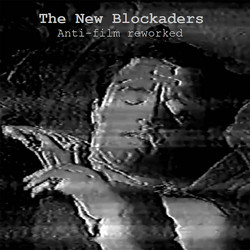
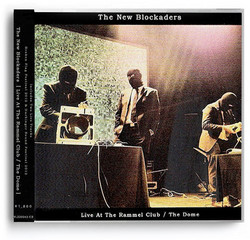
Across five decades, from that debut shed recording to the recent Antibox, Soulsby follows the Rupenus brothers through the collaborations, editions, and provocations by which two men from the north-east of England quietly rewrote the terms of extreme sound. So complete was their refusal of identity that a generation of noise artists came to suspect they were not, in fact, real people at all – a rumour the book patiently, exhaustively dismantles, tracing a line of influence that runs through Japan, America, and Europe and installs TNB as the founding architects of the entire edifice of noise music. Forewords by Thurston Moore, by Steven Stapleton of Nurse With Wound, and by Masami Akita – better known as Merzbow – frame the book from within the world TNB set in motion, three of noise’s essential figures paying tribute to the source. The volume comes complete with a two-disc CD compiling Richard’s own selection of TNB collaborations and a DVD that gathers every surviving fragment of the group’s live activity, from the 1982 Anti-Film and the NAG performances onward. A monument to anti-music raised, fittingly, in the name of nothing – definitive, exhaustive, and as unyielding as the work it documents.