The New Blockaders
Succès De Scandale (CD + Insert)
Succès De Scandale arrives as both archive and fresh wound in The New Blockaders’ labyrinthine discography. Issued in a hand‑numbered edition by Advaita Records, the release centres on “Succès De Scandale I,” built from excerpts of a previously unreleased 1984 performance at Morden Tower, the legendary Newcastle venue whose stone walls once amplified readings by Bunting and the concrete clang of early UK experimentalists. Here, it becomes a resonant chamber for TNB’s foundational tactics: metal, debris, tape, and amplification deployed not to make “music” but to stage a refusal of it, an assault on structure that still lands as unnervingly deliberate. The recording’s age is not smoothed out; it creaks, warps, and saturates, the grain of early‑80s documentation turning into yet another layer of noise.
The disc’s second part extends this logic rather than offering a clean “bonus.” Framed as a continuation rather than a contrast, it folds later source material back into the same continuum, blurring the line between historical document and contemporary intervention. The result is a longform piece that behaves like a single object viewed from different angles: sudden shocks of junk percussion; sheets of static that seem to buckle under their own density; pockets of near‑silence where the ear adjusts and starts hallucinating patterns in the residual hiss. There is no narrative arc in the conventional sense, only phases of pressure and abrasion, like weather patterns in a machinery‑filled landscape. The title’s nod to the “scandalous success” of avant‑garde provocation reads as typically dry Blockaders humour: the scandal lies in persisting with this kind of hostility long after “noise” has been normalised.
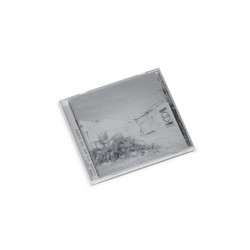
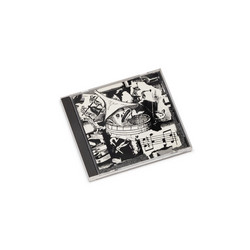
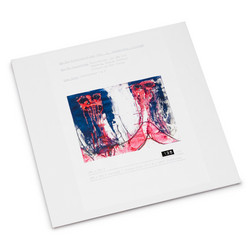
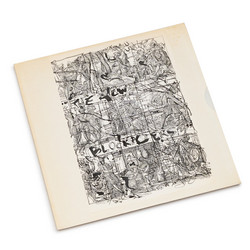
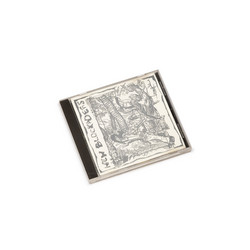
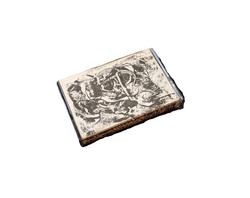
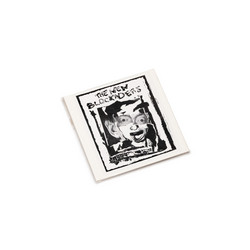
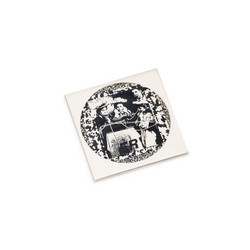
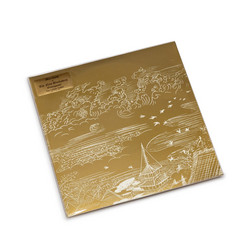
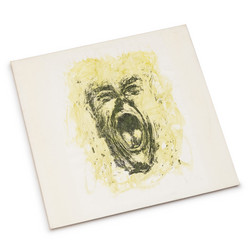
Physically, Succès De Scandale stays true to the group’s long‑standing DIY aesthetics. The 2025 CD edition is limited to 200 copies, each with handmade artwork - cut, pasted, and distressed by the label and collaborators - and accompanied by liner notes that situate the Morden Tower material in TNB’s early trajectory. That craft is not ornament but continuation: packaging as another act of obstruction, another way of insisting that the release is an object to be handled, not a neutral container for immaterial files. Even as digital formats make the sound more widely accessible, the physical edition underlines the Blockaders’ original stance: anti‑music as an attack on the commodity form as much as on listening habits.