Paul Bley
Paul Bley (1932 to 2016) was a Canadian pianist and one of the quiet revolutionaries of jazz. Born in Montreal, he ran a New York club in the 1950s that hired the young Ornette Coleman and Don Cherry, and his own trios with Charlie Haden, Paul Motian, Gary Peacock and Barry Altschul redefined how the jazz piano trio could breathe, with space, freedom and a singing touch. He was among the first to play the Moog and ARP synthesizers live, on Bley-Peacock Synthesizer Show, and later founded the pioneering video label Improvising Artists.
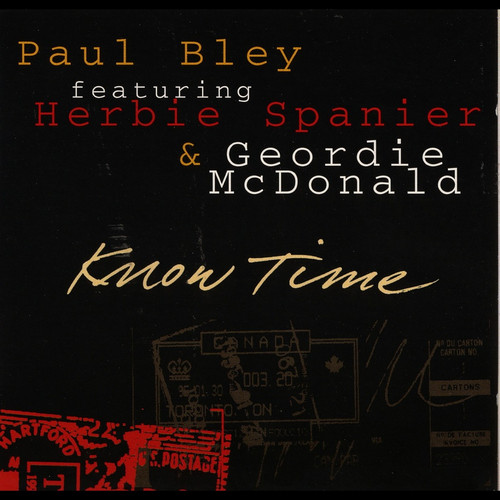
Know Time
Paul Bley and trumpeter Herbie Spanier played free duets in Los Angeles in 1958, around the time Ornette Coleman passed through Bley's band. That music was never documented. In Montreal in August 1993 they tried again, with Geordie McDonald's rack of…
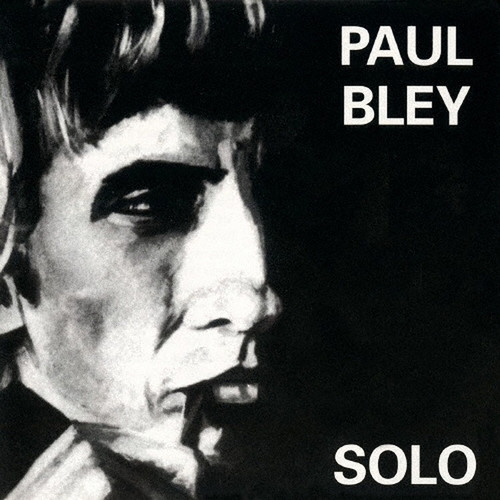
Solo
Paul Bley was born in Montreal in 1932 and left for New York at the start of the 1950s. He had already taken over Oscar Peterson's chair at the Alberta Lounge as a teenager. In December 1987 he came home, sat down at Studio Tempo, and recorded ten im…
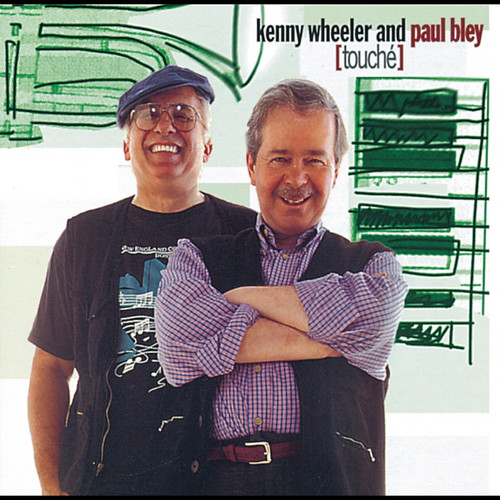
Touché
Studio Tempo, Montreal, 19 July 1996. Kenny Wheeler and Paul Bley, two Canadians who left for New York forty years earlier, in duo for the first time on record. Thirteen short pieces, seven by Wheeler and six by Bley, alternating; trumpet and flugelh…
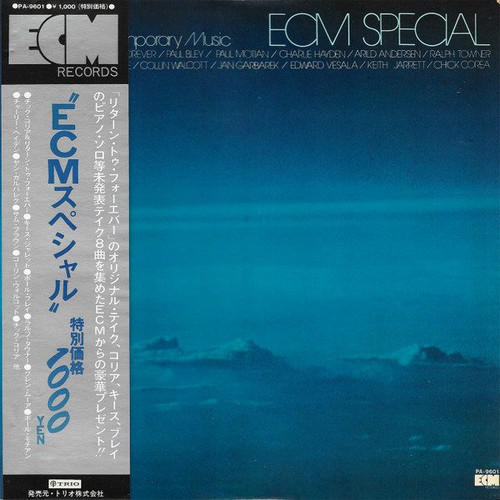
ECM Special (LP)
Original edition on ECM / Trio Jazz Mania of the 1973 Japan-only compilation. With insert and obi.
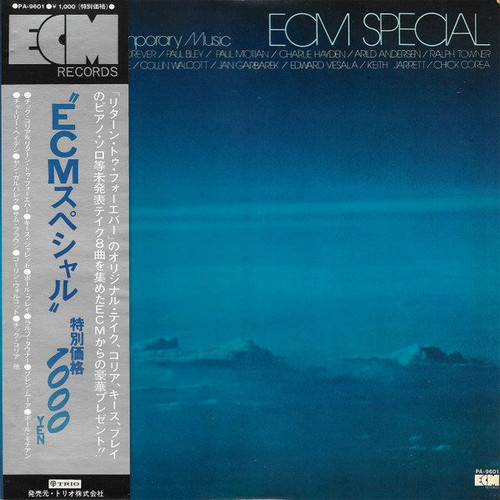
ECM Special (LP)
Original edition on ECM / Trio Jazz Mania of the 1973 Japan-only compilation. With insert.
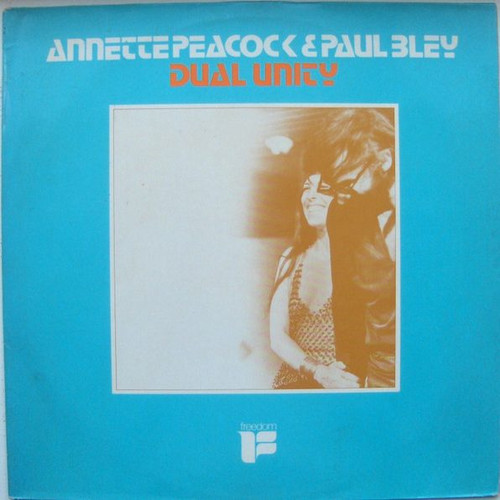
Dual Unity (LP)
Original French edition on Freedom of the 1972 album featuring Han Bennink.

Ramblin'
An essential jazz masterpiece from celebrated Canadian pianist Paul Bley, presented in a deluxe edition. Originally released in 1969 as part of the iconic Actuel series, this definitive remastered edition of Ramblin' invites listeners to experience t…
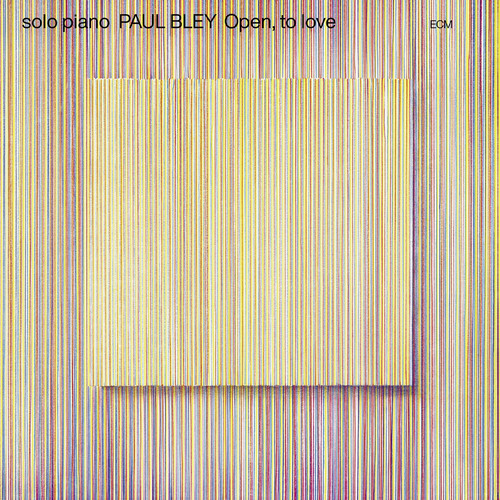
Open, To Love
After Chick Corea’s Piano Improvisations, and Keith Jarrett’s Facing You, Paul Bley’s Open, To Love was the third fabulous chapter in ECM’s quietly revolutionary solo piano manifesto, whose impact endures and continues to influence improvisers today.…

Dual Unity
Here's the reissue of Annette Peacock and Paul Bley's "Dual Unity" album, originally released in 1972 on Freedom Records. Hailed as a pioneer and artistic genius by many, this album captures Peacock in her element alongside husband, Canadian jazz gen…
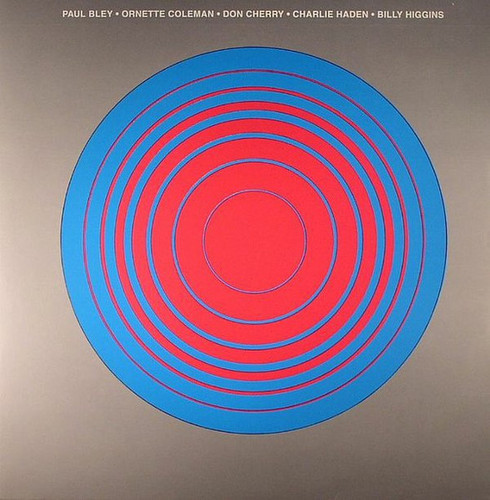
Live at the Hillcrest Club 1958
This record marks a turning point in jazz history. It may be the earliest recorded example of what Ornette Coleman later called "free jazz," and it represents the first rumblings of the revolutionary movement which eventually shifted jazz thinking aw…

Play Annette Peacock, Revisited
Temporary Super Offer! By 1965, Paul Bley had settled on the trio format, and touring Europe revealed a warmer reception for music that employed chordless improvisations, three-way rhythmic counterpoint, unfamiliar melodic constructs, and malleable s…

Introducing Paul Bley
*Limited edition of 500 copies.* Originally released in 1953 on Charles Mingus's own "Debut" label, this is Paul Bley's historical debut album. Here the young talented and technically strong pianist appears as leader of a super-trio with nothing but …
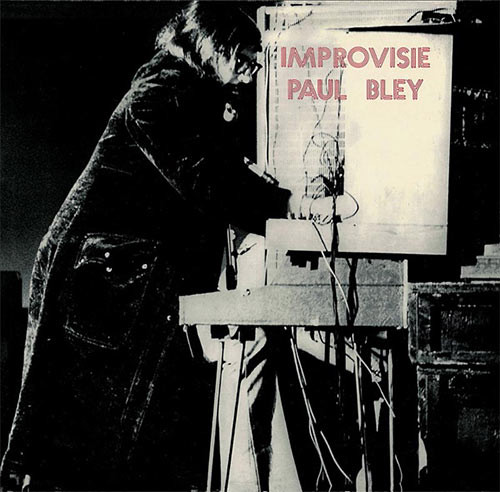
Improvisie
Bamboo present the first ever reissue of Paul Bley's Improvisie, originally released in 1971. Recorded Live March 26th, 1971 at Club B14 in Rotterdam, Netherlands, Improvisie is a part of the 1971 trilogy of Paul Bley and Annette Peacock's combined e…
Sold Out
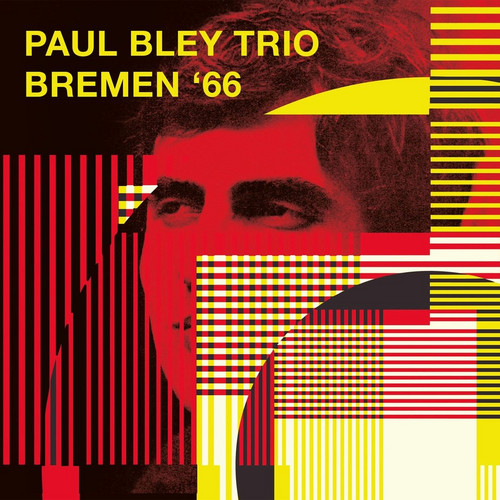
Bremen '66
** 2021 Stock ** The young Paul Bley earned his spurs playing with legends including Charles Mingus, Art Blakey, Chet Baker, Jimmy Giuffre, Ornette Coleman and Bill Evans. As the 1960s progressed, he increasingly embraced the avant-garde, with arguab…

Touching
A magnificent document of the music of the young Paul Bley. Recorded at the end of 1965 with Kent Carter - double bass and Barry Altschul - drums, "Touching" shows the already advanced musical conception of someone who over the years will establish h…

Touching & Blood 1965/66
Paul Bley is a master of the piano trio. He showed new and different ways of exploring the complex triangular geometry of what has arguably become jazz’s signature formation. Bley’s early recording with Charles Mingus and Art Blakey promised great th…
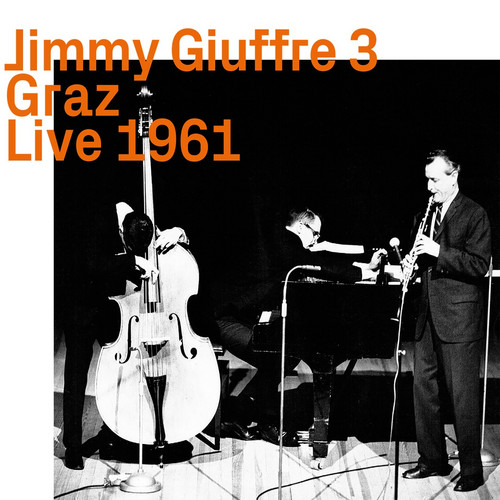
Graz Live 1961
After introducing his new trio with pianist Paul Bley and double bassist Steve Swallow in two 1961 albums on Verve, clarinetist Jimmy Giuffre embarked on a tour of Europe, this recently discovered, well-recorded concert in Graf, Austria the perfect e…

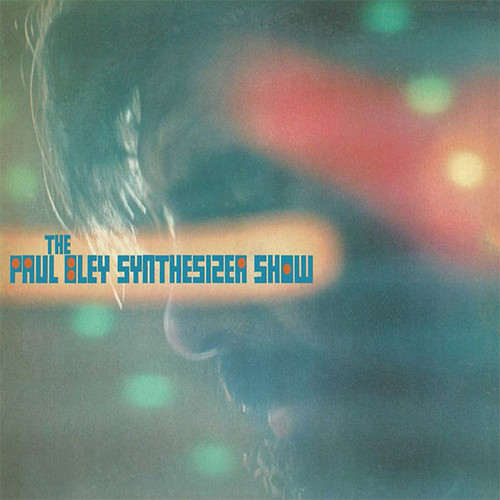
The Paul Bley Synthesizer Show
Bamboo present the first ever reissue of Paul Bley's The Paul Bley Synthesizer Show, originally released in 1971. This stunning album was recorded over three sessions in New York City on December 9th, 1970, January 21st, 1971, and March 9th, 1971.…

Bremen & Stuttgart
The Jimmy Giuffre 3 with Paul Bley and Steve Swallow only lasted about a year, but their work, which ranged from blues to tempo-less group improvisation, became a major influence on a wide variety of subsequent music from 'soft jazz' to 'hard-core'…
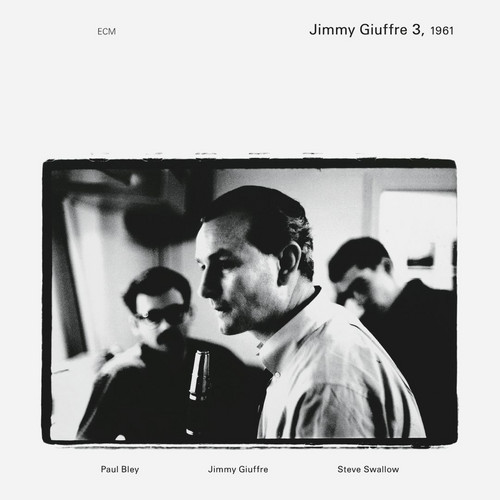
Jimmy Giuffre 3, 1961
The Jimmy Giuffre 3 (Giuffre, clarinet; Paul Bley, piano; Steve Swallow, double bass): the 1961 Verve albums Fusion and Thesis, recorded in New York in March and August 1961, plus unissued pieces, remixed by ECM in 1990.
Ballads
Paul Bley's 1971 ECM album of three Annette Peacock compositions, recorded by two piano trios in New York in March and July 1967, with Barry Altschul on drums and Gary Peacock or Mark Levinson on bass.

Play Blue - Oslo Concert
Solo piano concert by Paul Bley, four of his own compositions and Sonny Rollins's Pent-Up House as encore. Recorded live in August 2008 at Kulturkirken Jakob during the Oslo Jazz Festival by Jan Erik Kongshaug; produced by Manfred Eicher.
Time Will Tell
Free improvisations by Paul Bley (piano), Evan Parker (tenor and soprano saxophones) and Barre Phillips (double bass), the first recorded Bley/Parker meeting. Recorded January 1994 at Rainbow Studio, Oslo, produced by Steve Lake. ECM 1537, 1995.
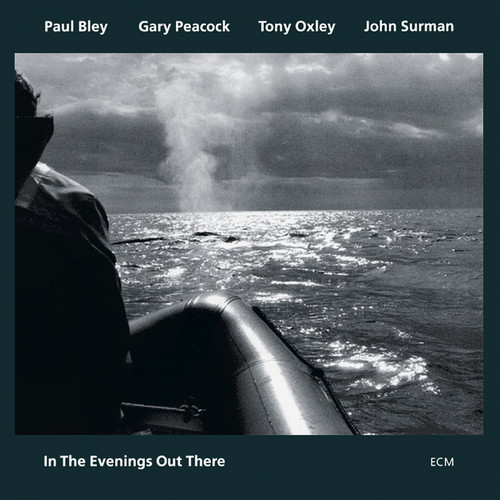
In The Evenings Out There
Free improvisation session by Paul Bley (piano), Gary Peacock (bass), Tony Oxley (drums) and John Surman (baritone saxophone, bass clarinet), recorded September 1991 at Rainbow Studio, Oslo, produced by Manfred Eicher. ECM 1488, released 1993.
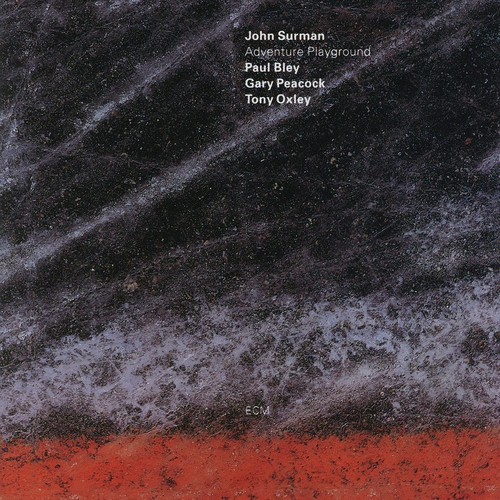
Adventure Playground
Quartet album led by John Surman (baritone and soprano saxophones, bass clarinet) with Paul Bley (piano), Gary Peacock (bass) and Tony Oxley (drums), recorded in September 1991 at Rainbow Studio, Oslo, produced by Manfred Eicher. ECM 1463, 1992.