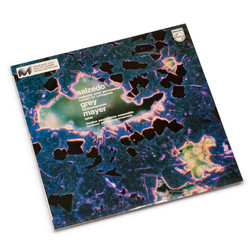
Julian Carrillo
Horizontes / Preludio A Colon / Concertino Pour Piano En 1/3 De Ton (LP)
condition (record/cover): NM / NM
A cornerstone of microtonal music history, a bridge between late-Romantic sensibility and radical experimentalism. While the language is rooted in traditional classical principles like melody and development, the microtonal slithering creates a sense of exploring unknown lands. Preludio a Colón (1922): Widely considered his most effective and atmospheric masterpiece. It features a soprano voice and ensemble performing in quarter, eighth, and sixteenth tones, creating a strange little universe. Critics note its remarkable lack of harmonic complexity, staying anchored to a single pitch (E) while exploring micro-variations. Horizontes (1947): This symphonic poem for violin, cello, and 1/16-tone harp received tremendous ovations at its premiere under Leopold Stokowski. It is a moving, original work that reflects "tranquility of soul" and leads the listener toward a state of rapture. Concertino pour Piano en 1/3 de Ton (1958): Performed on a specially designed piano with 97 keys (all within one octave), this work is a practical application of Carrillo's 96-tone system, with its percussive, almost "prepared piano" sound.