Max Cilla, born on Martinique in 1944, set out to revive the flute once played by farm workers in the island's coastal hills, the flûte des mornes, an instrument that had fallen into near-oblivion by the early twentieth century. He began by building the flutes himself, climbing into the hills and cutting them from cane according to methods handed down from India, and gave the tradition a name and a future for a younger generation in search of its identity.
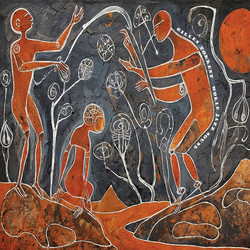
Fascinated by Cuban music and Latin rhythm, Cilla composed and played his own pieces over the island's traditional percussion. Recorded and first released in 1981, La Flûte Des Mornes Volume 1 sets his bamboo flute against the piano of Georges-Edouard Nouel and the drums of Claude Vamur, with further percussion from Michel Cilla, Patrick Theodose and Sully Cally, a spare, meditative strain of West Indian spiritual jazz in which the flute carries almost everything.
By the time of the recording Cilla had played with Archie Shepp in Paris, appeared on Bonga's Angola 74 and shared stages with Tito Puente and Machito; a second volume followed in 1989. Reissued by Bongo Joe and Sofa Records with the original sleeve reproduced and the audio restored and remastered, it remains one of the defining documents of Martinican music.