Reissues
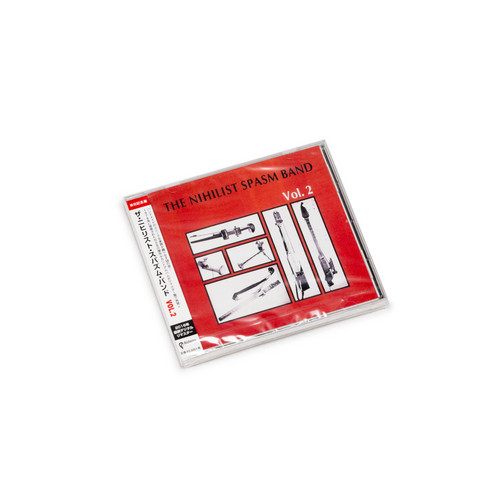
Vol. 2
The long-delayed second LP from Canada's Nihilist Spasm Band, drawn from a 1978 concert at Toronto's Music Gallery and first issued in 1979. A decade on from No Record, the homemade-instrument free-for-all is undimmed: free-rap manifestos against Canada and stupidity dissolving into glorious din.
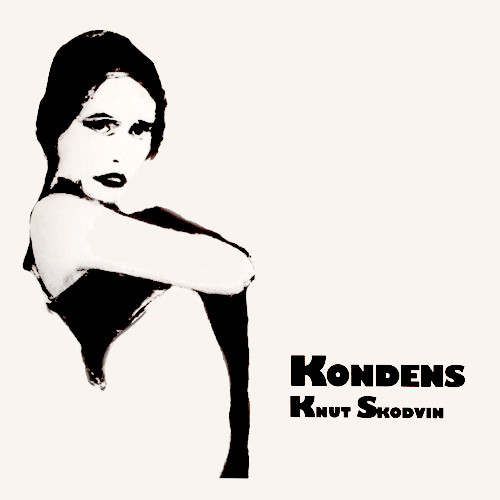
Kondens
This is a selection of previously unreleased tracks created at home by Enrico Serotti (fmember of Confusional Quartet and Stupid Set), without any purpose other than the fun of playing with new musical devices. The tracks date from 1983 to 1999. A pretty long time span, coinciding with the transition from analog to digital technology. Cover Art by Alessandro Pessoli.
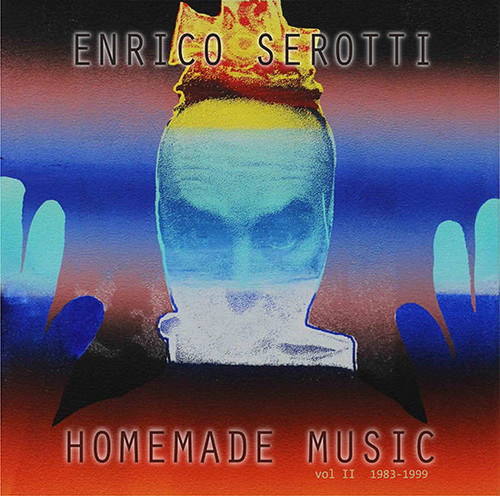
Homemade Music Vol. II (1983-1999)
This is a selection of previously unreleased tracks created at home by Enrico Serotti (fmember of Confusional Quartet and Stupid Set), without any purpose other than the fun of playing with new musical devices. The tracks date from 1983 to 1999. A pretty long time span, coinciding with the transition from analog to digital technology. Cover Art by Alessandro Pessoli.
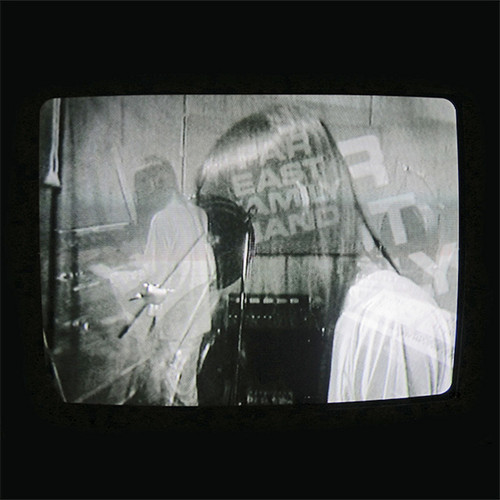
Live on the Boffomundo Show
By October 1979, Aaron Weiner and Ron Curtiss had produced a handful of Boffomundo Shows at Los Angeles' first public access television studio at Theta Cable in Santa Monica. Joined by eventual partner Tony Harrington of All Ears Records, The All Ears Boffomundo Show was born!
Tony Harrington introduced legendary synthesizer master, Fumio Miyashita, founder of The Far East Family Band (space-rockers considered to be Japan's first prog band!), to the show and the rest is history. Fumio brought mu…
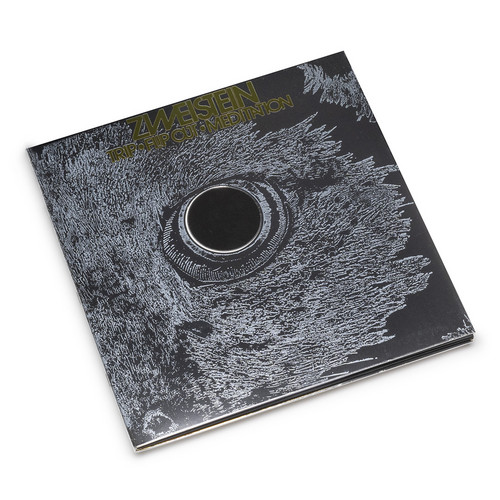
Trip Flip Out Meditation
Zweistein's trippy Kraut psych experimental masterpiece from Philips Records 1970, arguably one of the most sought after Kraut titles, period! Remastered from the original tapes, absolutely essential! With roughly a half century between us, the revolutionary spirit of the 1960’s is easily lost - watered downed, its energy and truths rubbed clean by the ubiquity of the pop machine. Our contemporary vision of the past rarely resemblances the true zeitgeist of the day. The 1960’s was an era defined…
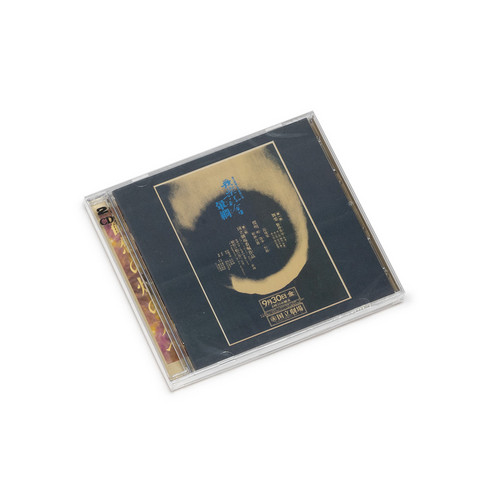
A l'approche du Feu Méditant
Of all the works by Jean-Claude Eloy, the 1983 "Approaching the Meditative Flame...", for 27 instrumentalists of the "Gagaku" orchestra from Japan, and two choruses of "Shômyô" Buddhist monks (a work known partially in the West by a double LP album "Harmonia Mundi") and more particularly, "Anâhata", for five traditional soloists from Japan (three instrumentalists and two monk singers), percussions, and a major electro-acoustic part (presented in different festivals in Europe) – are the two works…
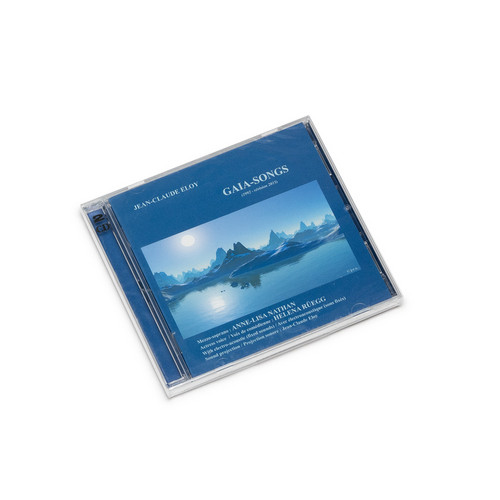
Gaia-Songs
“Gaia-Songs” (1992 - revision 2015). Songs for the other half of the sky n° V - VI. For a soprano (or mezzo-soprano) solo and an actress voice (Sprechgesang technique) with electro-acoustic (fixed sounds). Anne-Lisa Nathan, mezzo-soprano. Helena Rüegg, actress voice. “First there’s this relation between sung voices and spoken voices with regard to the electro-acoustic parts. The sung v…

The Sound Of The UFOs
Restocked, reduced price. We Release Whatever The Fuck We Want Records present a reissue of the extraterrestrial cult classic The Sound Of The UFOs, a collaborative effort between Swiss jazz and electronic music icon Bruno Spoerri and innovative drummer extraordinaire Reto Weber, available on vinyl for the first time since its original release in 1978. Recorded live in Zurich in March 1978, The Sound Of The UFOs finds Bruno and Reto improvising with a vast array of classic and customized synths …
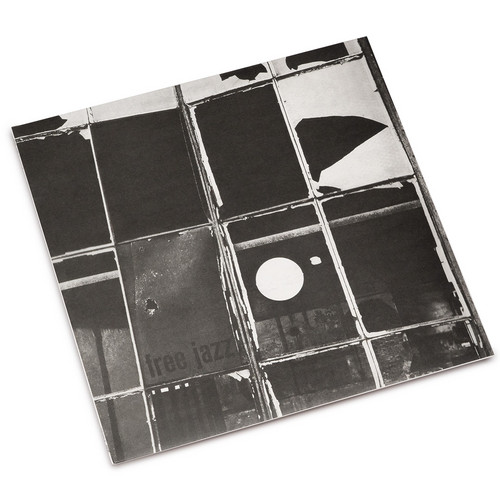
Free Jazz
Temporary Super Offer! Cacophonic present a first time vinyl reissue of a pioneering album of French free jazz, François Tusques's Free Jazz, originally released in 1965. Comprising some of the earliest, uninhibited performances from musicians behind groundbreaking European records and films, Free Jazz captures the birth of an exciting movement that would soon earn its Parisian birthplace as the go-to European spiritual home of improvised and avant-garde music. Spearheaded by pianist and compose…
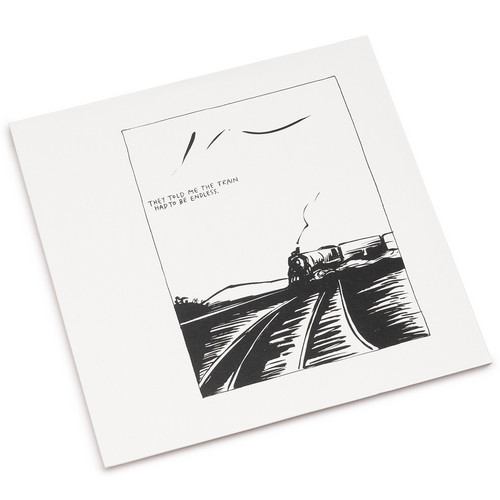
The Feudal Spirit
2019 small repress. "Rob Noyes has been on the Eastern Massachusetts scene for a while, but what we've heard him play is music from within the context of electric bands, most of whom are loud as hell and exist somewhere along the rim of the post-core continuum. More recently, Rob has taken to displaying his solo acoustic guitar chops and they are massive. The Feudal Spirit is the first vinyl evidence of their 'shoulders.' Like Western Mass's Tony Pasquarosa, who mines the same widely-variant sty…
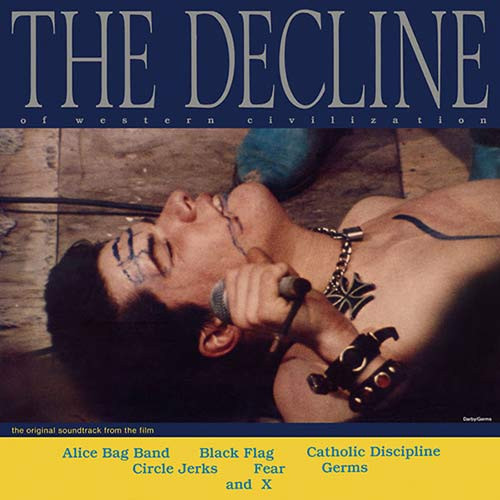
The Decline Of Western Civilization
Reissue. Music taken from the soundtrack of the 1981 documentary The Decline Of Western Civilization by Penelope Spheeris about the LA punk scene at the end of the '70s and in the very early '80s. Features: Black Flag, Germs, Catholic Discipline, X, Circle Jerks, Alice Bag Band, and Fear. Replica edition; Edition of 500.
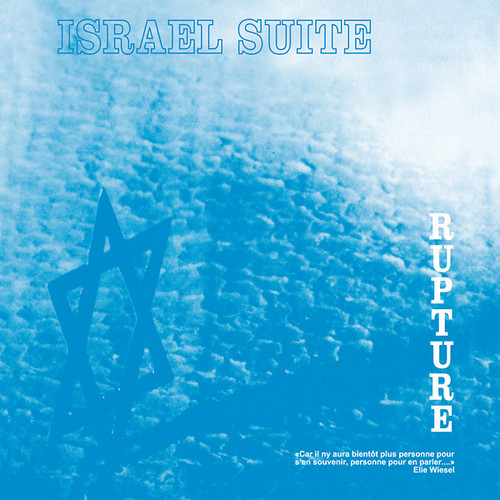
Israel Suite / Dominante En Bleu
Gatefold LP version. Includes download coupon. Sommor Records present a reissue of Rupture's Israel Suite / Dominante En Bleu, originally released in 1973. Rupture was born when famous French songwriter Boris Bergman (France Gall, Dalida, etc.) decided to record a conceptual album about the history of Israel. He approached ace drummer and singer Sylvain Krief (Airto Fogo, Michel Fugain, Aznavour, Clark Terry, Bud Powell, etc.) and soon, other musicians joined: Jean-François Jenny-Clark (Don Cher…
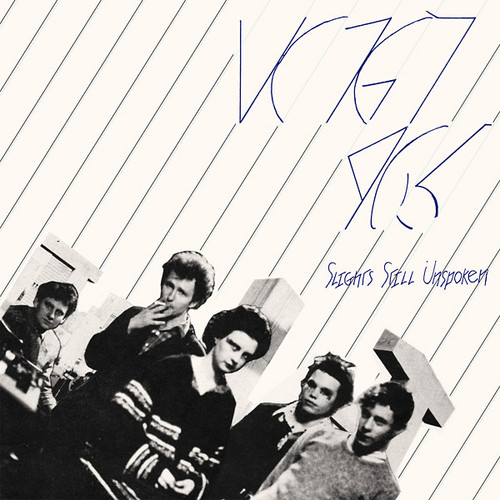
Slights Still Unspoken (1978-1979)
LP version. Includes download coupon. Mental Experience present an expanded reissue of Voigt/465's 1979 album Slights Spoken, titled Slights Still Unspoken (1978-1979). Formed in Sydney in 1976, Voigt/465 was a truly unique band from the exciting days of the Australian post-punk scene. Heavily influenced by such luminaries as the Velvets, Stooges, Syd Barrett, Pere Ubu, Can, Faust, Henry Cow, Slapp Happy, and Eno's Roxy Music, they created an abrasive sound in which krautrock, DIY, avant-gar…
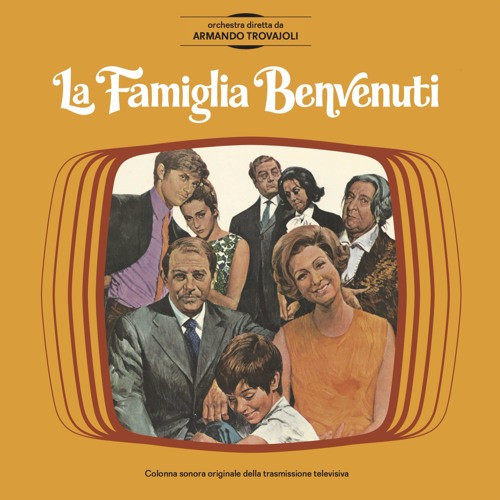
La Famiglia Benvenuti
Presenting one of the greatest works by maestro Armando Trovajoli; a solid Italian easy listening masterpiece. After its commercial debut in 1968 as an original soundtrack of famous Italian TV-movie, this record gained renewed interest in the 1990s when four tracks were compiled in the immortal Easy Tempo series. From then on, La Famiglia Benvenuti has not only been considered one of Trovajoli’s most sought after records, but has achieved the status of being the manifesto of the Roman swin…
Mayan Canals
Rich La Bonte is a musician, writer and editor from upstate New York born in 1946. At age 11 he figured out how to record a piano backwards with his first tape deck and discovered Monk, Mingus and Art Blakey. In 1965 Rich moved to Ithaca, bought an electric guitar and started singing in garage rock band the huns. After the band dissolved, he moved to NYC and played bass and sang in the original cast production of the musical Godspell. In the late 70s La Bonte moved to Hollywood with Shari Famous…
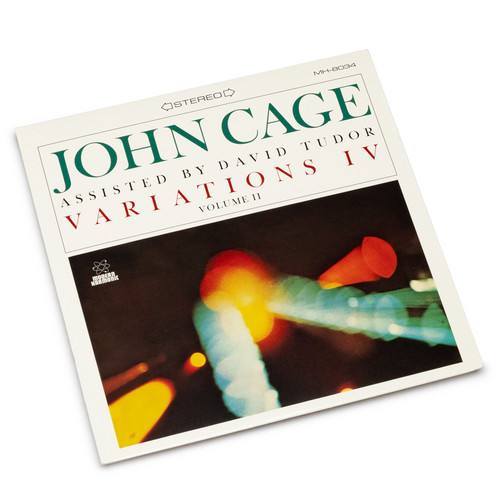
Variations IV, Vol. II
A 1965 journey into found sound; this is John Cage. Another seminal volume of indeterminate music, from an icon of experimental sounds. Reissued for the first time and thematically on gorgeous clear vinyl! It could be argued that there is no more controversial figure in music history as avant-garde electronic composer John Cage. Perhaps best known for his composition “4'33"" which consisted of Cage sitting at a piano for four-plus minutes of total silence, Cage was both loved and loathed …
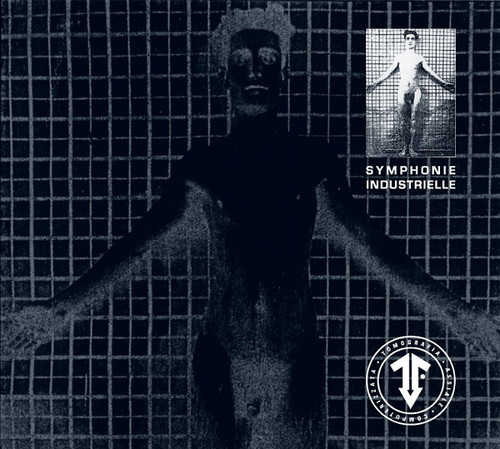
Symphonie Industrielle
In 1985, Andrea Azzali and Simon Balestrazzi remained the only members of Tomografia Assiale Computerizzata (T.A.C.). They decided to reconfigure their work around tape manipulation. The two were recording in a studio in Florence and in an intense week, they realized Symphonie Industrielle. With the emergence of this new formation, however, T.A.C. dedicated itself to new projects and live performances, and the album was actually abandoned. Miraculously, the tapes have been recovered, and the res…
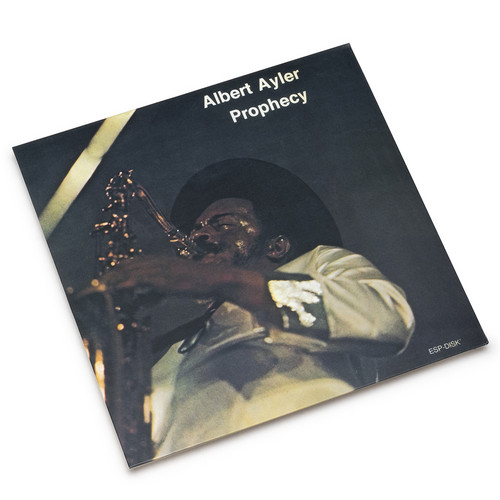
Prophecy
ESP-Disk present a reissue of Albert Ayler's Prophecy, originally released in 1975. Recorded in concert at the Cellar Cafe, NYC, June 14, 1964. Three weeks before this trio recorded ESP-Disk's first jazz album, the epochal Spiritual Unity (ESPDISK 1002CD/LP), it was captured "live" by Canadian poet Paul Haines, who also recorded the New York Eye and Ear Control soundtrack (ESPDISK 1016CD/LP). This is one of the most influential groups in jazz history, a coming together of like-minded innovators …
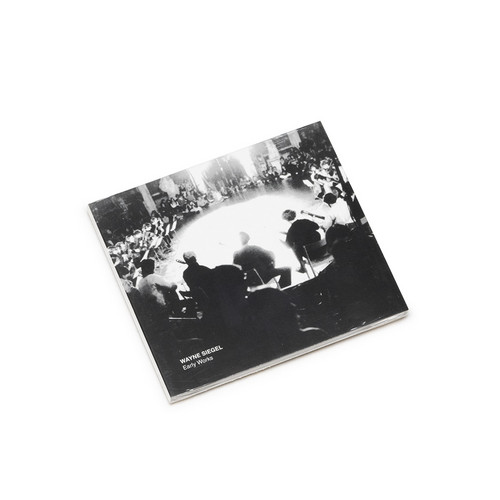
Early Works
A selection of the most radical impressive works composed by Wayne Siegel when he was mid-twenties. Moved to Denmark, between 1979 and 1980, he began to investigate possibilities of a very personal language, contributing to mould the heterogeneous kaleidoscope of Post-Minimalism results. The early works are constructed around a relentless musical process that consists of delaying and repeating every element in a certain measure, without intentional alteration. Siegel called this process canon te…
Revolutions Per Minute (The art Record)
Restocked, reduced price. Bubbling below the surface of the sonic avant-garde - spanning art and music, lays the rarely observed context of the Artist Record - a field of recorded sounds stemming from, or attached to, the environments of fine art. Though expansive, elastic, and at times difficult to define, the largest body of its artifacts have been made by artists who are known for their work in other media - painters, sculptors, etc. These thrilling experimental gestures, draw on ideas which …