New Arrivals
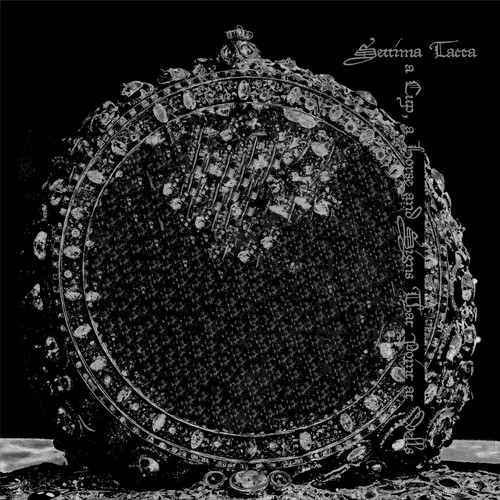
A Cup, a Horse and Signs That Point at Wells
Settima Tacca's eleven songs of voice, drones and throat singing on Stroom, with Natalia Grishanina on one track.
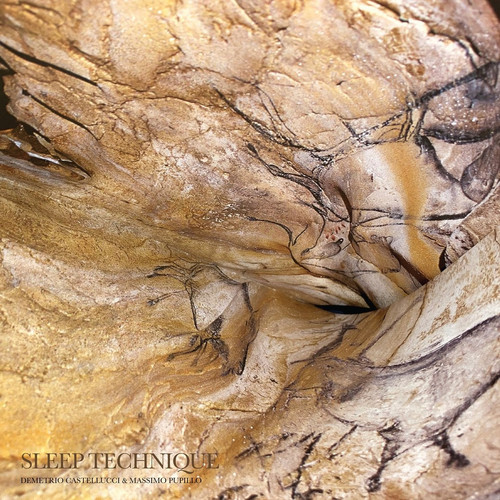
Sleep Technique
Music for Dewey Dell's dance piece on the Chauvet cave, by Demetrio Castellucci and Zu bassist Massimo Pupillo, with Attila Csihar on one track.
To Remind Myself I Have Lived (Collage Works 2020-2025)
Michele Tellarini of Qlowski and Secrecy gathers five years of home collages, loops and fragments as Catholic Block, on Maple Death.

UnKnown
Second DarkSonicTales album by Swiss sound artist Rolf Gisler, drone minimalism and post-rock built from field recordings, mastered by Lawrence English.
Breathing Soil
Third album by the Swiss musician Elischa Heller: two side-long drone pieces meant to resonate with the room, mastered by Giuseppe Ielasi.
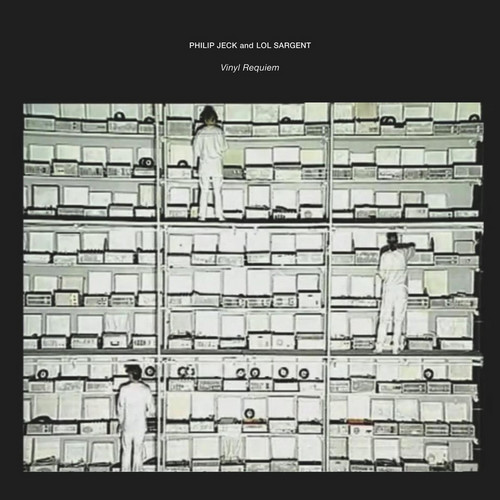
Vinyl Requiem
First vinyl edition of Vinyl Requiem, the 1993 piece by Philip Jeck and Lol Sargent for 180 record players and projections, on Touch.
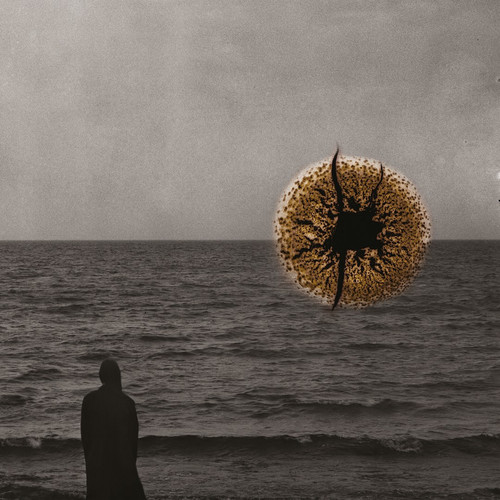
Echoes of Impermanence
David Granström brings the electric guitar into his long-form, digitally precise music, recorded partly at EMS Stockholm, with Maria W Horn on hurdy-gurdy.
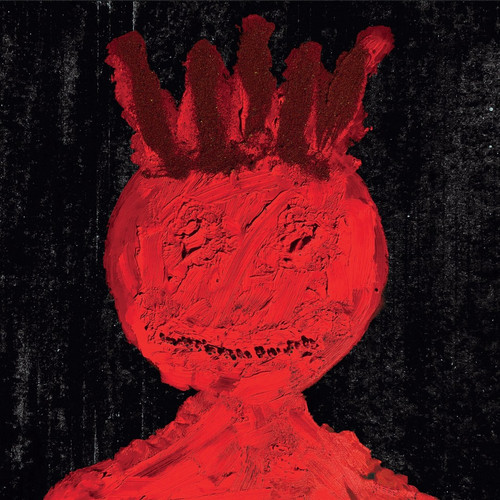
Hallucinate, Children
Six-CD box issued alongside David Tibet's exhibition at Dox Gallery in Prague: the six installation musics played in its six rooms plus an overview of Current 93, with six colour cards of his paintings. None of this music appears on the vinyl or cassette.
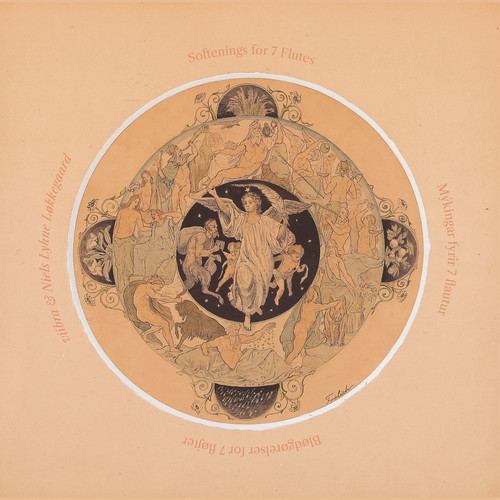
Softenings for 7 Flutes
Niels Lyhne Løkkegaard's Softenings for 7 Flutes, four movements named after the Greek winds, written for and played by the Icelandic flute septet viibra. World premiere recording, limited LP of 200 copies.
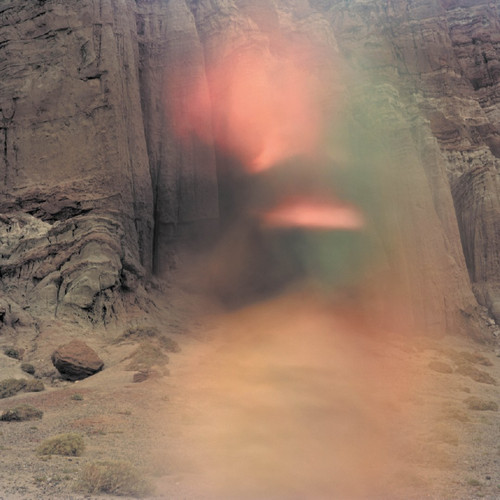
A Landform Embodies a Mythical Creature
Sixteen audio scenes answering the long-exposure photographs of Brice Bischoff: cassette recordings of canyons, caves and ravines, reshaped in the studio with film-style spatial effects. Mastered by Giuseppe Ielasi.
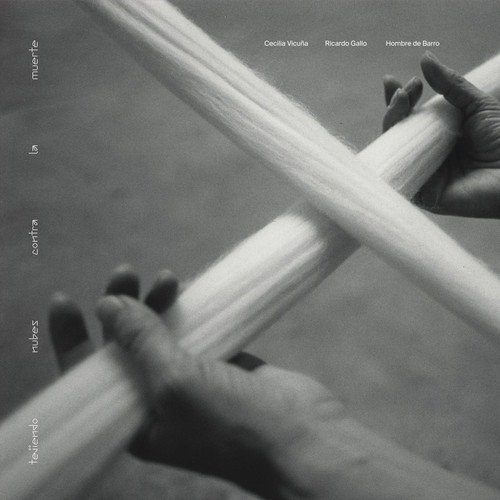
Tejiendo Nubes Contra la Muerte
Chilean poet Cecilia Vicuña reads from Cloud Net over spontaneous music by pianist Ricardo Gallo and the Colombian trio Hombre de Barro, recorded in 2022 near Bogotá. A plea for water, life and ancestral knowledge.
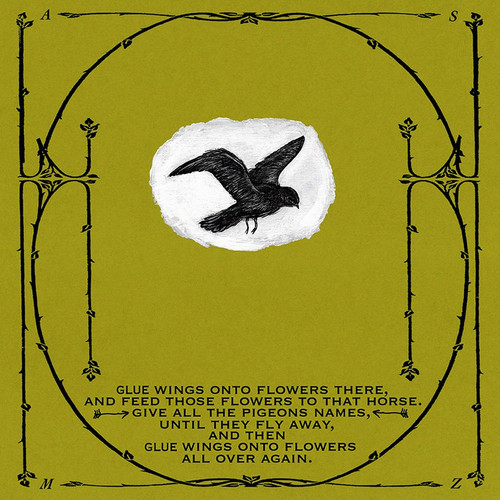
Horses in the Sky
The 2005 album of the Montreal ensemble, back for its 21st anniversary: six songs of protest and love for strings, guitars, piano and group voices, recorded at Hotel2Tango with Howard Bilerman.
Written in the Universe
Flutist Nicole Mitchell and percussionist Joe Westerlund, a former mentee of Milford Graves, improvise in a rural studio near Chapel Hill: looped flutes, mbiras, metallophones and live electronics, with no overdubs.
Evergreen
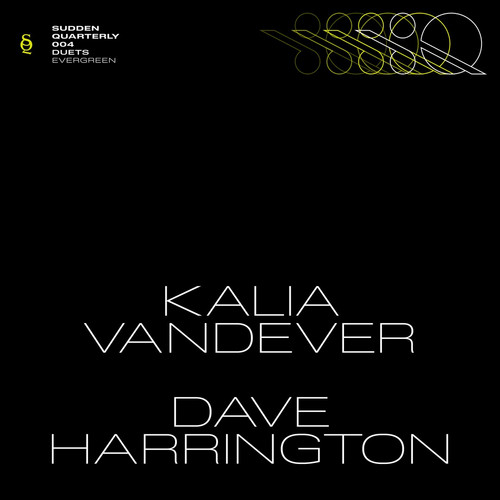
First duo album by trombonist Kalia Vandever and DARKSIDE guitarist Dave Harrington, recorded in three rainy days in Los Angeles: brass and guitar between drum machines, samples and quieter, intimate pieces.
I I
Nine new pieces with Latin titles by the Swiss accordionist and composer, his first album since the Invada diptych Introspectio and Repertio. Recorded and mixed by Nicola Jannuzzo at Veruston Studios.
Dede-K-Tion
The closing chapter of Fred Warmsley's Ded trilogy: ten tracks between ambient, drone and noise, with Ryuichi Sakamoto as guest producer. Hand-numbered edition of 500 on 180 gram vinyl, co-released with Ojas Music.
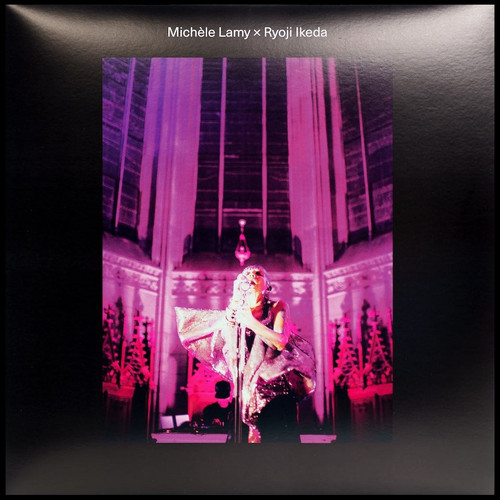
Echoes of Rights / Echoes of Nights
Two pieces with music by Ryoji Ikeda and voice and words by Michèle Lamy: Echoes of Rights, recorded in Los Angeles in 2022, and Echoes of Nights, recorded in London in 2026. Red vinyl, 500 copies.
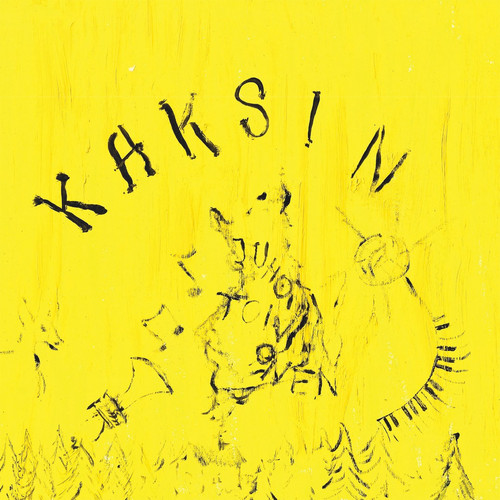
Kaksin
Two side-long pieces for piano and trumpet, with Raimo Sinnemäki: the last part of Juho Toivonen’s trilogy for Discreet Music.
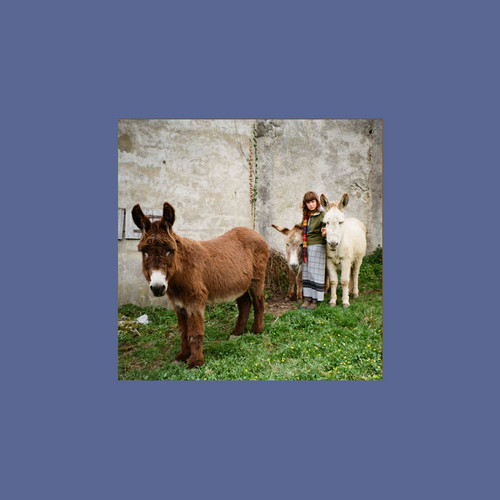
Au Nom Deus Asos
Elizabeth Vogler sings in Occitan and other South-West dialects to harmonium alone in the church of Lescun, in the Pyrénées: six songs between ancient folk and experimental music, first time on vinyl, 100 copies.