New Arrivals
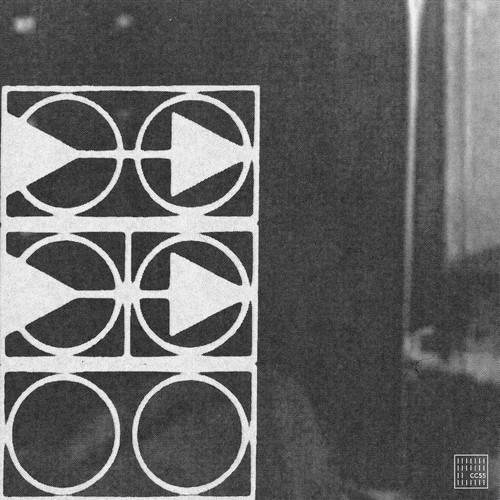
Strategy of Tension
Four compositions by the Stockholm artist built from modular synthesizers, microphones and self-regulating systems: feedback held at a fragile threshold between order and instability.
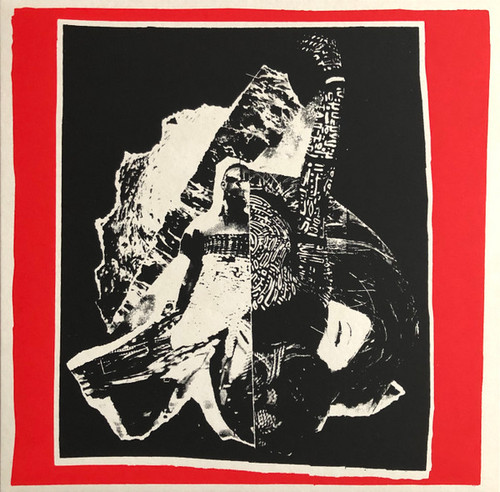
Laroyê
Acclaimed Hungarian, Berlin-based producer, composer and pianist Àbáse (AKA Szabolcs Bognár) returns, sharing a special, 5 anniversary remaster of his breakthrough project 'Laroyê'. Releasing via Bridge The Gap & Oshu Records, this sensitive exploration of Afro-Brazilian culture originally began as an audio diary, documenting Szabolcs’ travels and collaborations in Brazil through a collection of voice memos, fragmented beats, sketches and field recordings. As his journey progressed, and his coll…
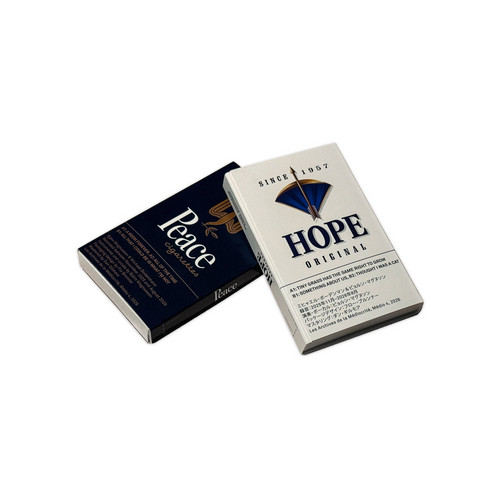
Hope & Peace
*100 copies limited edition* It was the spot—where you'd meet up with friends or bump into strangers. Walls covered with deteriorated posters and endless spray-paint conversations. A friendly face in a city suffering from an obsessive-compulsive cleaning disorder. I would stare at those walls, wondering what was behind them, yet there were no doors, no windows, no way to get in. Now it's all open: a stretch of yellow gravel, a wasteland that still feels strangely alive despite being practically …
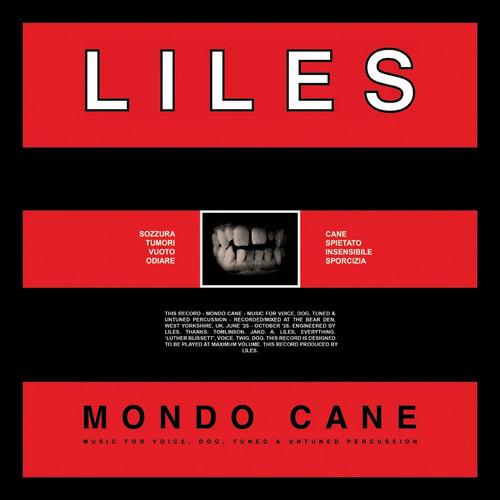
Mondo Cane
*165 copies limited edition* Lumberton Trading Company is pleased to announce that Andrew Liles has a new LP coming in January/February 2027. Limited to 165, the first 65 will be pressed on special black/red 'colour in colour' vinyl, while the balance will be simply black vinyl. The red/black vinyl edition will be only available from the label.
Here are Andrew's own words on the LP: "The title 'Mondo Cane' is a reference to the 1962 Italian film directed by Gualtiero Jacopetti, Paolo Cavara, and…
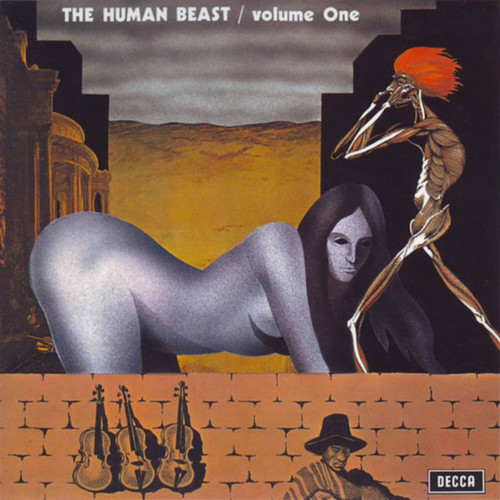
Volume One
The state51 Conspiracy is proud to present the reissue of The Human Beast’s legendary (and sole) album ‘Volume One’ - a visceral slice of the late 60s Edinburgh underground. Remastered by Grammy-recognised mastering engineer Sarah Register, this definitive edition gives both collectors and casual buyers the chance to own one of Scotland’s cult hidden psych hard rock gems, complete with updated sleeve notes, never before seen photos/ephemera and an art card signed by the band.
The sedate gentilit…
Lions In Autumn
When you’re a three-piece, every move must mean. There’s no place to escape, and no one to hide behind. This might be why Unmarry Me’s slim body of recordings so far – one seven inch, one shared single with Lung Leg and Lora Logic, and now this, a five-track EP, Lions in Autumn – reads so clearly; there isn’t a step out of place. It’s a DIY effort, certainly, anti-rockist in intent, a home-made sound-system jerry-rigged into being by three uncontrollable spirits.
Unmarry Me is the unholy trinity…

Signal(24bit)
Although humans possess language as a means of communication, we sometimes hurt each other simply by intending to. In war, bullets kill people. If we consider words to be like bullets, they can be violent and cause mental suffering. However, when communication causes problems, the only way to solve them is through more communication. I thought: wouldn't it be wonderful if those bullets could turn into flowers instead? In everyday life, when we talk, laugh and share moments with friends and famil…
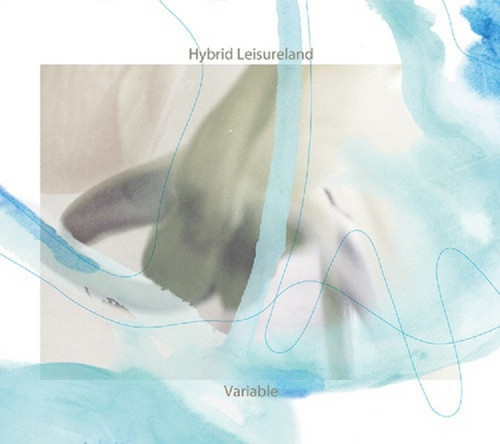
Variable
“Variable,” an album by Hybrid Leisureland-the project of Hidetoshi Koizumi, who has been active as an electronica and ambient composer and arranger since his debut in Paris, France, in 2010-is now available on CD.
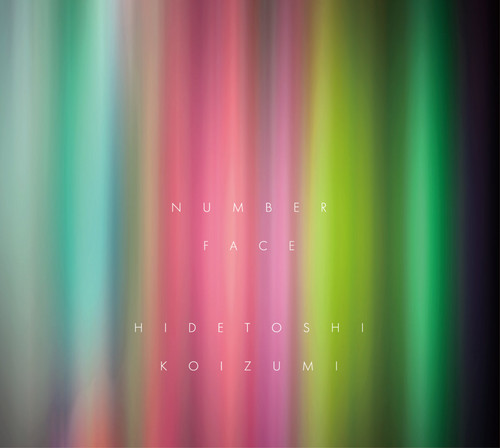
Number face(24bit)
The title “Number Face'' comes from my wish for a peaceful world where individual values and ways of thinking are respected. No one in the world is the same or has the same face. Just like our environments, what we like, what we don't like, what we're good at, and what we value are different. I would be happy if you could realize that no two people are the same, that means you are unique, and that each of you is important.
In this album, "Number Face," the music expresses a sympathy with the var…
Signal(24bit)
This 12-track album is the artist's first album released after changing from his stage name to his real name, Hidetoshi Koizumi. The songs were composed with the hope that they would be an opportunity for listeners to receive "signals" they need. Signals are everywhere. When aware of them, they touch the listener and evoke emotions and thoughts relating to various things around them that have influenced them. In life, we all are influenced by things such as the environment, nature, and other peo…
New Americana String Quartets for the 21st Century
The present recording celebrates the staggering variety of the American string quartet in the 21st century. All but one of the five works was given its first performance by the Momenta Quartet, a group which since its founding nearly 22 years ago has proven itself equally comfortable with modernist complexity, neoromanticism, postminimalism, microtonality, and music with indeterminate and/or improvisatory elements. Echoes of all these aesthetics surface here, but each composer has carved out an …
15
Supersilent's 15th album and their first since 2018: a gatefold double LP with 15 tracks and 64 minutes of new improvised music, on Smalltown Supersound.

Headfirst Into the Flames - Live in Europe
First vinyl edition of Last Exit's 1989 live recordings from Stockholm and Munich, with Brötzmann, Sharrock, Laswell and Shannon Jackson.
Zo
Reissue of Zo, the first duo album by Matthew Shipp and William Parker, recorded in 1993, with an epic Summertime, on ESP-Disk'.

1996
Reissue on double LP of 1996, Ryuichi Sakamoto's piano trio album revisiting his film themes, from Merry Christmas Mr Lawrence to The Sheltering Sky.
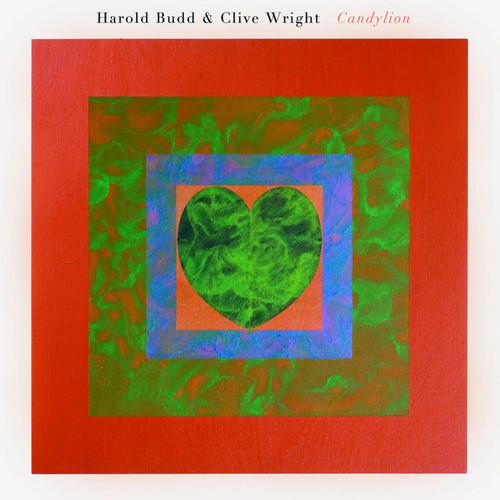
Candylion
First vinyl edition of Candylion, Harold Budd and Clive Wright's second album together, with harp, strings and drums, on Darla.
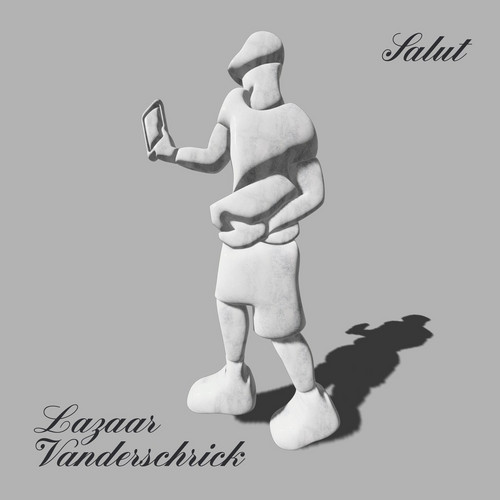
Salut
Victor De Roo's single as Lazaar Vanderschrick, companion to his debut novel Heil, on Stroom.

11000 Dreams
2026 repress of the Stroom compilation spanning thirty years of home recordings by the Belgian architect and Absent Music founder.
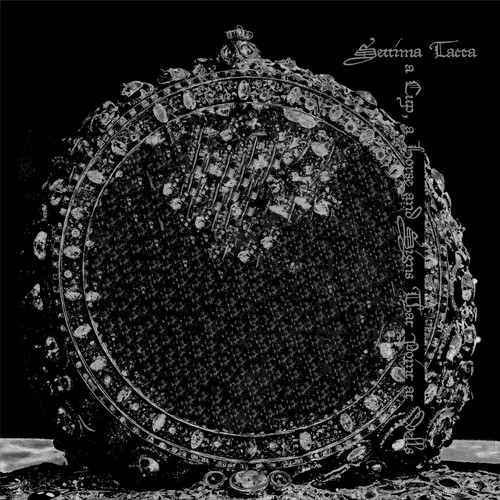
A Cup, a Horse and Signs That Point at Wells
Settima Tacca's eleven songs of voice, drones and throat singing on Stroom, with Natalia Grishanina on one track.
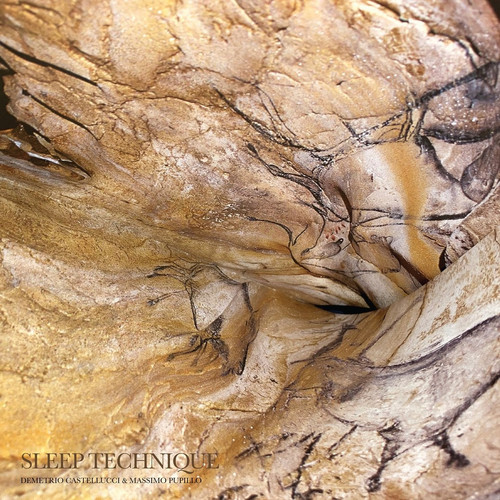
Sleep Technique
Music for Dewey Dell's dance piece on the Chauvet cave, by Demetrio Castellucci and Zu bassist Massimo Pupillo, with Attila Csihar on one track.