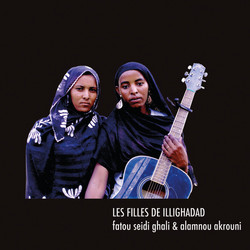
Les Filles de Illighadad, Edmony Krater
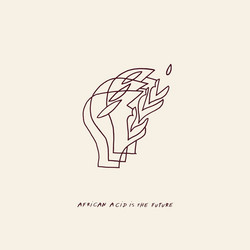
African Acid Is The Future: Ambiance II (2x12")
Ambiance II is the second instalment of the trilogy that the Berlin club night and label African Acid Is The Future released with The Vinyl Factory. Like the first volume, it pairs a disc of live performances with a disc of remixes. This time the live material was taped in the heat of an AAITF party in May 2018. It brings together Les Filles de Illighadad from Niger and the Guadeloupean singer, percussionist and trumpeter Edmony Krater.
Les Filles de Illighadad come from a remote commune in central Niger, in the scrubland at the edge of the Sahara. The group is best known for the Tuareg guitar of Fatou Seidi Ghali, heard on their releases for Sahel Sounds. This set leaves the guitar aside for drum and voices. Krater appears with his band, Fender Rhodes, bass, drums and ka drums under his voice and trumpet. Louis McGuire recorded and mixed the night, and Noel Summerville mastered and cut the lacquers.
Side A belongs to Tende I and Tende II, named after the tende, a drum made from goat skin stretched across a mortar. The sound is stripped back to that drum and the women's voices, and the two pieces run past six and seven minutes. On side B Krater plays two songs written three decades apart. Gwadloup first appeared in 1988 on Tijan Pou Velo with Zepiss, while Lagé comes from his 2018 album An Ka Sonjé. The remix disc follows with a Dauwd and Maryisonacid mix of Tende II, Dauwd's take on Gwadloup and a short AAITF outerlude on Lagé. Side D is given entirely to the nine-minute DJ Oil remix of Gwadloup.
The Vinyl Factory heard in the tende pieces "a celebration of wealth in simplicity", and in Krater's set a funky, jazz-inflected sound shaped by gwo ka, the drum music of Guadeloupe. The release was launched at an African Acid Is The Future night at Loftus Hall in Berlin on 27 July 2019, the kind of party where the recordings were made.
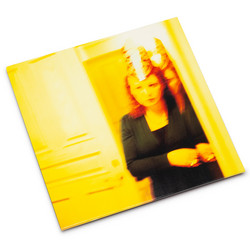
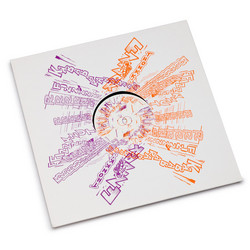
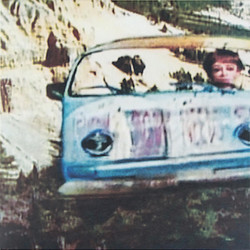
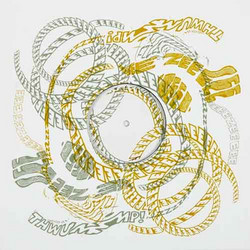
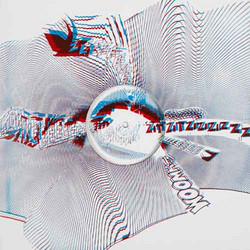
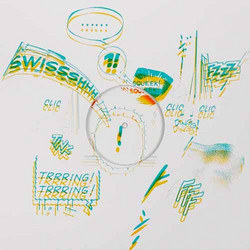
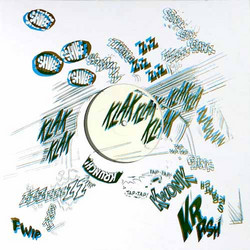
Two 12" discs on 180-gram black vinyl in a printed gatefold sleeve, with printed inner and outer sleeves and a second African Acid Is The Future booklet. Drawings by Vava Dudu and photographs by Camille Bokhobza, limited to 500 copies.