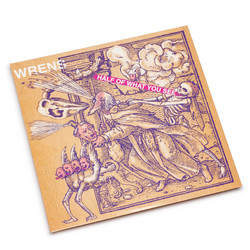
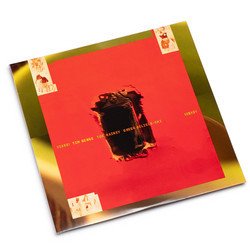
Wrens creates music that is modern and without immediate comparison. This is revolutionary art, both musically and lyrically. Had Miles Davis lived to be 100, continuing on his path of repeatedly changing the direction of jazz, it would be easy to imagine that by 2026 it could have sounded like Wrens, not only because of the heavily affected and brilliant trumpet playing, but because it feels so contradictory to the institutions that breed much of this music today. When asked about the meaning behind the track Charlie Parker, Easter explains: “I don’t like how pacified and academic the lens on jazz music is - there’s no real examination of the people and lifestyle, so why not use the forefather of bebop to recontextualize what it really means to pay homage.” And while the music sounds anything but academic, it is obvious throughout Half of What You See that it is performed by virtuosic musicians who have logged hours upon hours honing their collective improvised language. The jazz and creative music world needs more artists like Wrens, a true working band with a singular vision, and who respect the past but are not concerned or interested in recreating it.
"There’s a long-standing aroma around the concept of the sophomore album that, for some, triggers involuntary vomiting of “what if it’s not”’s and similar brown notes. The interesting thing about Wrens, same with many ensembles that are rooted in a constant through-line of reactive improvisation, is that the very essence of what is heard is rooted in three things: how good are they on their own, how good are they at knowing each others’ individuality, and what did they eat that day? This record is, as decided by the casually grown men involved, sinister. Amidst many a “in times like these” prefixes, the triplet of ingredients spells the recipe: these guys are clever noise-makers, these guys know each other’s dialects, and somehow they haven’t given into deadly spells of food poisoning while consuming the atmosphere of the planet’s greasiest inhabitants: humans.
There’s a fantastical element to trying to combat the option of sinking with sneakiness, humor, and boastful nuance. There’s a solemn sense of wonder while painting a landscape of feverish dissonance and tunnels of matted, hairy sonic architecture while the studio is filled with laughter. The sanctity of honesty has a cherished abstention from hiding the darkness. This album is sinister. Music as an escapist frolic has little solidarity with the tension that’s flirted with here. “In these dark times” is cliche. It’s dismissive of history, present, and what lurks onward. But Wrens is comfortable knowing that. Maybe a little too comfortable. Too ready to be more wretched than the skeletal hands that want us all. And that, perhaps, is why there’s so much meditative solace, much triumph, and much a good giggle nested within." - Ryan Easter