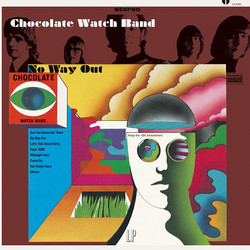
Chocolate Watch Band
No Way Out (LP)
Chocolate Watch Band's No Way Out is one of those records that defines what happens when hungry young musicians grab the wheel and take you somewhere you never expected to go. Originally released in September 1967 on Tower Records – distributed by their Uptown label aimed mainly at blues, a curious mismatch that almost guaranteed commercial failure – this album deserves its current status as one of the genuine seven wonders of garage rock. Time has been very, very good to this record.
What you're hearing is raw creative energy, the kind of thing that can't be faked or manufactured. Dave Aguilar's vocals are simply extraordinary – this cat doesn't imitate Mick Jagger, he channels him so completely you'd swear the Stones frontman was doing a guest shot. But that's exactly the point: Aguilar makes Come On – an early Stones single – sound like the Watch Band owned it from day one. The guitars of Mark Loomis and Sean Tolby are roof-rattling, distorted, utterly committed. Bill Flores holding down the bass, Gary Andrijasevich on drums – this lineup understood something crucial: garage rock should feel dangerous, should feel like it might fall apart any second but somehow holds together through sheer force of will.
The album's architecture is clever too. Opening with Let's Talk About Girls – a track that somehow doesn't feature Aguilar as lead vocalist yet became a favorite among followers – you get an immediate sense of the band's swagger. That song made it into the 1972 Nuggets compilation, the ultimate validation for underground '60s rock. Then there's Midnight Hour, Darkside of the Mushroom, Hot Dusty Roads venturing into back alleys that Buffalo Springfield never dreamed about. There's Are You Gonna Be There (At the Love-In) – absolutely on everyone's list of top twenty garage rock anthems. Period. No Way Out itself dances rings around the outskirts of the nearest Human Be-In. Gossamer Wings, Expo 2000 – instrumental jams that feel like psychedelic experiments conducted in a basement with four-track equipment and pure instinct.
Sure, the recording situation was complicated. Producer Ed Cobb at American Recording Studios wielded considerable control over final arrangements. Percussion, harmonica, vocals were overdubbed. Session musicians appeared on certain tracks. The band had limited power in the studio. But here's the thing – none of that matters when the music hits you like this. The balance between gritty garage rock foundation and the druggy ambiance of genuine psychedelic exploration is flawless. Bruce Eder called it "highly potent, slashing, exciting, clever pieces of music" and he nailed it.
The album went unnoticed at release. It fell out of print by the early '70s. But the late 1980s saw a garage rock revival, and No Way Out – especially the 1993 Big Beat reissue No Way Out...Plus – gradually expanded its reputation into something approaching cult legendary status. Today, original pressings command serious money. First pressing Tower Records variations are hunted like treasure. Mono copies especially are scarce and sought after.
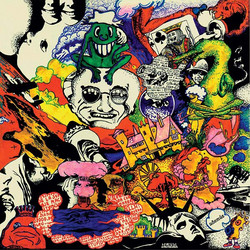
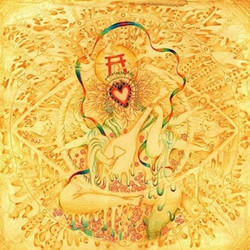
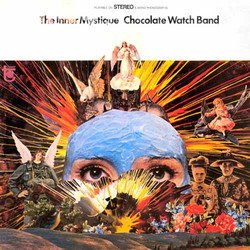
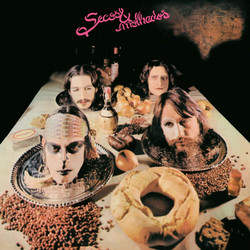
San Jose, California produced this band whose reputation has grown exponentially over decades. They stand now among the canonized achievements of 1960s psychedelic music. The cover art alone – almost like a Dalí painting – sits in the back of your brain for months. But it's the music that matters. Stones swagger, cosmic significance, eye-opening psychedelic legerdemain that makes your neck snap backwards in pure joy.
This is creative music of the highest order – raw, exploratory, unpolished, an adventure. Highly recommended. If you're serious about understanding what garage rock was actually about, this record is non-negotiable.
Trim your garden!