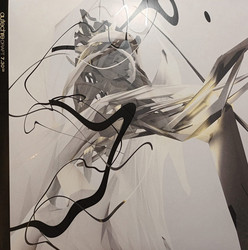
“We’ll Take It” sits near the core of Age Of, Oneohtrix Point Never’s eighth mainline studio album, and erupts as its most bluntly aggressive track: a post‑industrial, post‑digital song about buying a car that spirals into a portrait of expansionist desire. Written, performed and produced by Daniel Lopatin with additional production and keyboards from James Blake, the piece compresses many of the record’s themes into one hyper‑compressed vignette: the tension between impulse and calculation, the seduction of glossy commodities, and the way personal debt and vanity purchases sit at the heart of late‑stage capitalism.
Lyrically, the song dramatizes a small scene that feels disturbingly familiar. “I reckon you’re interested in a vehicle / Let’s pray,” the salesman voice opens, before the hook snaps: “We’ll take it!” A second voice protests: “Woah, woah, woah, honey, we don’t even know what the price is! / The radio was playing Bell Biv—!” The cut‑off reference to Bell Biv DeVoe and the half‑remembered R&B ambience conjure a showroom soundscape; the repeated, shouted “We’ll take it!” embodies a desire that overrides reason, while the partner’s hesitance suggests a more calculated stance. As one listener summary puts it, the track stages “tension between a person that desires to impulsively buy an expensive car and a partner that favors a calculated decision,” pointing toward broader patterns of racking up debt via mortgages, electronics, cars and other vanity goods.
Musically, “We’ll Take It” is maximalist in both sound and philosophy. Drum programming is among Lopatin’s deadliest: heavy, side‑chained hits slam into jagged fills, creating a sense of hydraulic machinery jolting under pressure. Synths swarm in ecstatic, reckless layers, alternately shrill and cavernous, while James Blake’s piano contributes what Lopatin has described in performance contexts as “sideways ragtime,” skewed rhythmic figures that evoke the warped elegance of showroom jazz pushed off‑axis. The track’s structure feels simultaneously tight and disorienting: under four minutes in duration, but “bafflingly stretching into infinity,” as one longform essay observes, thanks to its use of repetition, abrupt cuts and spatial tricks.