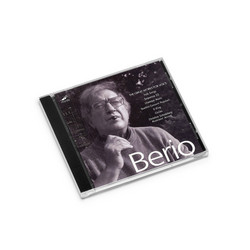
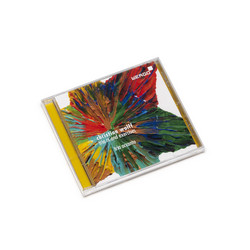
Luciano BerioFeaturing: Cathy Berberian, Vinko Globokar
Circles / Sequenza I, III, V (LP)
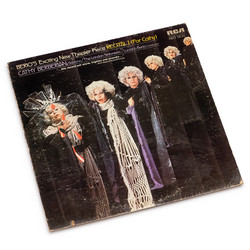
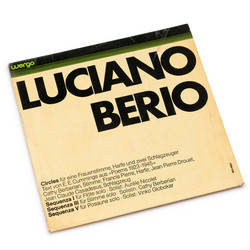
condition (record/cover): NM / NM Insert included. | The Wergo album featuring Luciano Berio's Circles and selections from his Sequenza series is praised for its first-rate, vintage recordings performed by the original, dedicated artists for whom the pieces were composed, notably the mezzo-soprano Cathy Berberian and trombonist Vinko Globokar. The performances are considered definitive interpretations of these challenging contemporary works. Circles (1960), based on e.e. cummings poems, is a seminal work in which Berio explores the relationship between music and language, focusing on the sound of words and their phonetic properties rather than just their semantic meaning. Cathy Berberian's interpretation is considered masterful, demonstrating her exceptional vocal range and agility. Reviewers note a "permanent exchange" and "extraordinarily stimulating challenge" between her voice and the instrumentalists (harp and two percussionists). The piece is described as captivating, intriguing, and a radical yet strategically composed work that rewards concentrated listening. The integration of vocal sounds with instrumental timbres, such as a snare-drum roll extending an 's' sound, is highlighted as particularly effective.
The Sequenzas are a series of virtuoso solo numbers designed to push the technical, textural, and expressive possibilities of each instrument and performer to the utmost. They have become standard test pieces in conservatories and competitions. Sequenza I: The piece for solo flute, performed by Aurèle Nicolet, is described in other contexts as a dazzling performance and an abstract, self-sufficient soliloquy. Sequenza III: Written specifically for Cathy Berberian, this work exploits her tremendous vocal range with whispers, shouts, shrieks, and breathing noises. While highly impressive and widely available for study, some reviewers have never been able to warm to it wholeheartedly, finding it challenging, though the performance itself is regarded as stunning.
Sequenza V: Performed by Vinko Globokar, this piece for trombone is an evocation of a famous Italian clown. Critics note the "inner drama" and surreal quality, with the single-word utterance of "why?" described as a painful stab amid the musical cavorting.