Gyorgy Ligeti
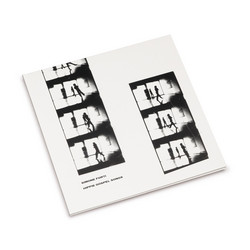
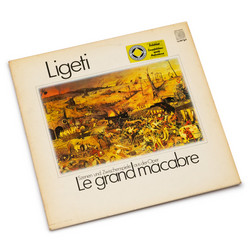
Poème Symphonique Für 100 Metronome (LP)
condition (record/cover): NM / VG+ (spine with neat tape reinforcement) | Gatefold sleeve. György Ligeti's Poème Symphonique Für 100 Metronome (1962) is an avant-garde composition for 100 mechanical metronomes, a conceptual piece created during his involvement with the Fluxus art movement. The piece is a musical experiment that explores the transition from apparent chaos to order through the gradual unwinding of mechanical metronomes. The composition is not a traditional score with notes but a set of performance instructions. Performance: Ten performers each manage ten metronomes. The metronomes are wound to their maximum extent, set to different tempos, and then started as simultaneously as possible at a signal from a "conductor". The performers then leave the stage. Sound Evolution: Initially, the sound is a dense, constant "sound mass" of ticking. As individual metronomes wind down and stop at their own pace, the texture thins, rhythmic patterns emerge, and the sound becomes sparser until only one metronome is left ticking, which eventually stops, concluding the piece. Themes: The work is a critique of the contemporary musical establishment and explores themes of time, impermanence, and the interaction of individual systems. Ligeti intended the title to be ironic, referencing the 19th-century genre of program music but using mechanical devices to "tell a story" of time itself.