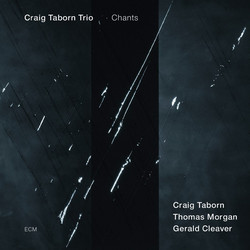
Daylight Ghosts is the third album Craig Taborn recorded as a leader for ECM, and his first with a quartet. It followed the solo Avenging Angel (2011) and the trio record Chants (2013). Taborn plays acoustic piano and electronic keyboards, often at the same time, and the band works as one body rather than as soloists with accompaniment. The music moves between chamber jazz, ambient stillness and bursts of rock energy. The electronics are woven so closely into the acoustic sound that they rarely announce themselves.
The quartet rests on long friendships. Taborn has played with drummer Dave King, of The Bad Plus, since they were teenagers in Minneapolis, covering bebop, free jazz, dance music and metal. Chris Lightcap, here on double bass and bass guitar, has shared bands with him in New York for more than fifteen years. Chris Speed (tenor saxophone, clarinet) has been an occasional partner for a decade. The album was recorded at Avatar Studios in New York in May 2016, engineered by James Farber and produced by Manfred Eicher. In ECM's notes Taborn says he wanted some of the band's live energy in a chamber-like palette, "yet with no hint of fusion."
Eight of the nine pieces are Taborn originals. The Shining One opens at speed, with quick exchanges of motifs, twisting unison lines and King's skittering percussion. On Phantom Ratio Speed's tenor traces long tones over a pealing synth loop and a low electronic buzz. The one cover is Jamaican Farewell by Roscoe Mitchell, the AACM pioneer whose albums first brought Taborn to ECM. Speed takes its plain, songlike melody on clarinet, with discreet electronics opening space around it.
Reviewing the album in The Guardian in February 2017, John Fordham described fragments of melody that come and go, "steadily transforming the moods". He also heard a Chick Corea-like Latin vamp inside the free playing of New Glory. Troy Dostert of All About Jazz called the record "a definite breakthrough in Taborn's maturity as a composer". He noted that the electronic parts stay unobtrusive, giving the music its underlying sense of mystery. Several critics also pointed to the cinematic quality of the pieces, which can sound like music for a film not yet shot.
This is the CD edition, ECM 2527, first released on 3 February 2017, in a jewel case with a 24-page booklet.