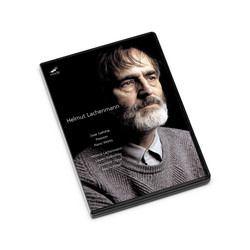
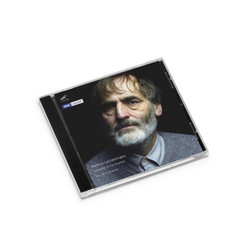
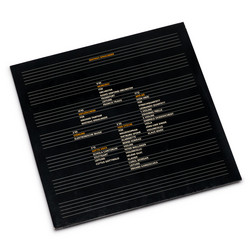
Helmut Lachenmann
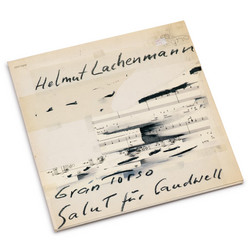
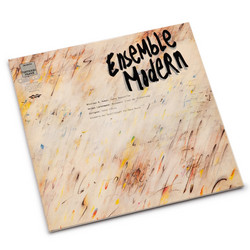
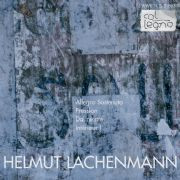
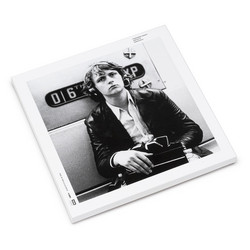
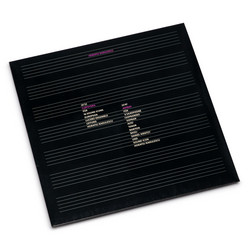
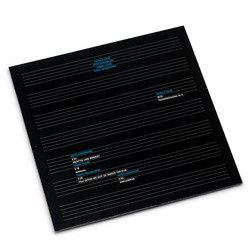
Guero / Pression / Gran Torso (LP)
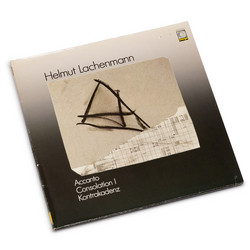
condition (record/cover): NM / EX | Insert included. The album features three significant works that exemplify Lachenmann's radical approach to sound, where traditional instruments are used to produce unconventional, noise-based acoustic textures. Accanto (1975–76): A "concerto" for clarinet and orchestra. It is famous for its "dialogue" with Mozart’s Clarinet Concerto, featuring a tape recording of the Mozart work that plays throughout, often subliminally. The soloist uses techniques like tapping mouthpieces and playing without them to create "breathy, toneless" memories of melodies. Consolation I (1967–68): Scored for 12 voices and 4 percussionists, this vocal work sets a text by Ernst Toller. It disassembles the text through phonetic analysis, removing semantic meaning to focus on the raw energy and sound of the human voice. Kontrakadenz (1970–71): A large orchestral work described as a "cascade of acoustic situations". It incorporates everyday objects - such as Ping-Pong balls bouncing on the floor and water drops - alongside a symphonic apparatus to highlight the physical energy required to produce sound.