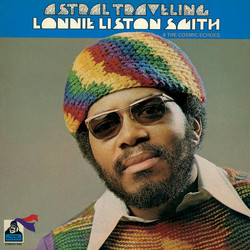
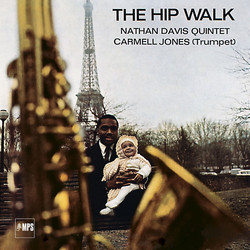
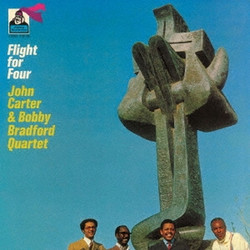
RCA Studios, New York, 19 and 20 April 1971. After the poetry-and-percussion debut, Bob Thiele gave Gil Scott-Heron a band. Brian Jackson, his partner from Lincoln University, on piano; Ron Carter on bass; Bernard Purdie on drums; Hubert Laws on flute and saxophone; Burt Jones on guitar; Johnny Pate conducting. Two days.
Pieces Of A Man is where Scott-Heron became a singer. The band version of The Revolution Will Not Be Televised is here, the one everyone knows, with Carter's bass line. So are Lady Day and John Coltrane, Home Is Where the Hatred Is, the first song about addiction he wrote from the inside, and the title track, about a man laid off and coming apart, which Jackson has described as the song that launched their career. Uncut calls the album a key text in the development of jazz-funk and the pick-up band extraordinary.
It sold modestly at first. Wikipedia and Wax Poetics both note that sales picked up two years later, after Scott-Heron and Jackson had left for Strata-East, and it became one of Flying Dutchman's best-selling records.
Japanese CD edition from Solid's Flying Dutchman series.