New Arrivals

Ommayads
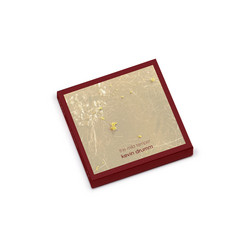
*300 copies limited edition* Klaus Wiese’s monumental Ommayads appears on CD for the first time. A long-awaited reissue of one of the deepest and most mystical albums by German drone-ambient master Klaus Wiese. Originally released in 2004 as a very limited CDr edition, Ommayads now returns as a proper CD release, with carefully restored and remastered sound. The breath of Sufi mysticism.
Ommayads is a 57-minute immersion into a space of stillness, resonance and suspended time. Named after the gr…
City of Light
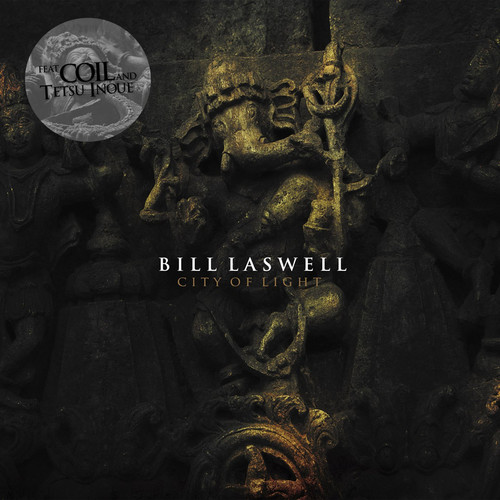
Bill Laswell music true legend, “man with the golden ears“ – 2013, he has been involved in hundreds of recordings with many collaborators from all over the world. Bassist, composer and music producer - enough to say that he was the producer for such legendary albums like Motörhead - “Orgasmatron”, Iggy Pop’s “Instinct”, Public Image Ltd - “Album” or Swans “The Burning World” to name just a few. In 1997, Bill Laswell released his sixth solo album “City of Light” recorded in Banaras, India, and m…
Ancient Leaves
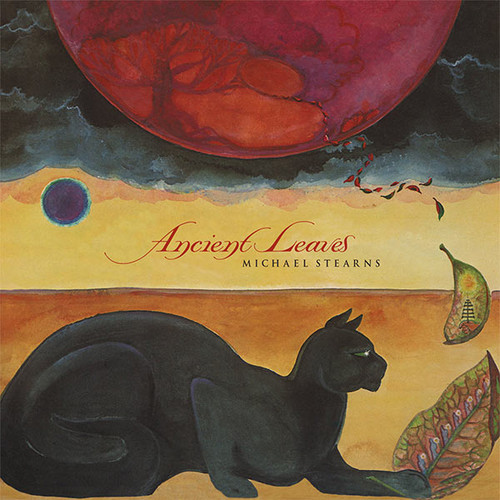
*2026 stock* Infinite Fog Productions is glad to announce this vinyl edition of Michael Stearns' Ancient Leaves, one of the most important ambient reissues on the year and a pure gem of early ambient music. Michael Stearns is an ambient music composer and performer, film composer, sound designer and soundtrack producer for theatrical films, documentaries, large format films, commercials and themed attractions. His award winning scores to Ron Fricke’s non-verbal global film masterpieces Chronos, …
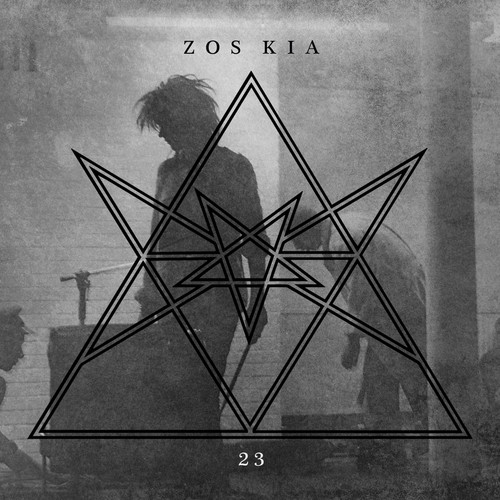
23
*2026 stock* The final and complete anthology of Zos Kia recordings known under title 23 is now released on a limited vinyl set with different artwork and remastered specially for vinyl by Martin Bowes of Attrition at The Cage Studio. Zos Kia was formed by John Gosling (Mekon), John Balance (Coil) and Min – with guest Peter ‘Sleazy’ Christopherson (Throbbing Gristle, Coil). Their one and only album, Transparent, was released on August 23rd 1983 by the now defunct Nekrophile label in Austria. The…
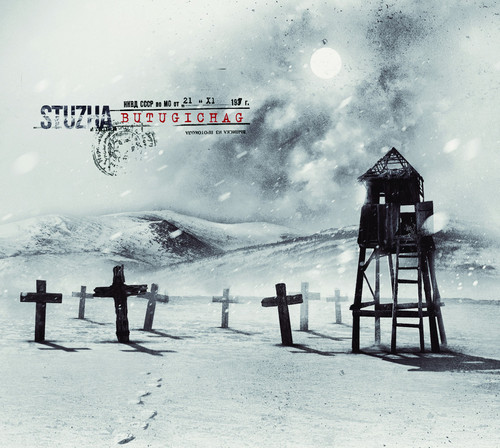
Butugichag
*2026 stock* The Siberian cold ambient project Stuzha - “severe cold” in Russian - returns with its second full-length release, Butugichag. As on the previous album, the sound is filled with field recordings from Siberia. Butugichag tells the story of a single day in one of the deadliest labor camps of Kolyma. If you are into Northaunt or the releases of Glacial Movements, give this one a try - I believe you will not be disappointed. Stuzha is mercilessly cold. Perhaps too cold for life itself.
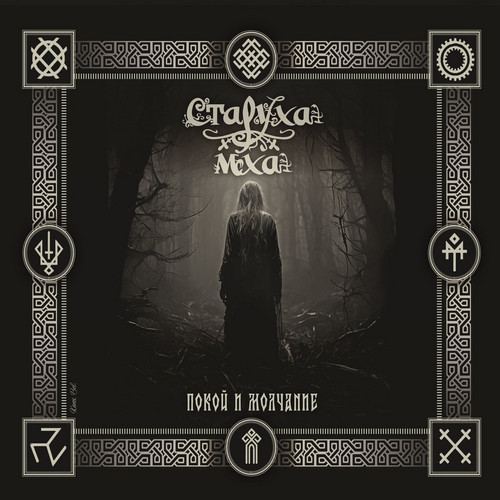
Rest And Silence...
*2026 stock* Staruha Mha (Старуха Мха) of 2001-2004. Controversial, but certainly one of the most interesting, significant and at the same time little-known Russian dark ambient-industrial projects. The only person behind this is Roman Sidorov (6/02/1974 - 20/09/2003), in whose fate creative research, unfortunately, played an unsuccessful and decisive role. Roman, even many years after his king remains one of the most mysterious and respected musicians in all of modern dark ambient/industrial, a…
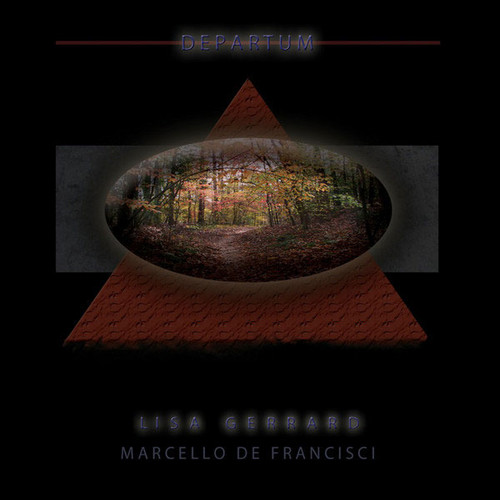
Departum
*2026 stock* Academy Award nominee and Golden Globe winner singer and composer Lisa Gerrard, of Dead Can Dance fame, and film composer Marcello De Francisci have joined forces to bring you their first collaborative album work titled Departum. This album is a collection of pieces, which are filled with lyrical soundscapes, orchestrated with vocal chants, cimbalom, guitars, percussion, modern instruments and orchestra. An effort that took two years in the making moreover a journey inspired by anci…
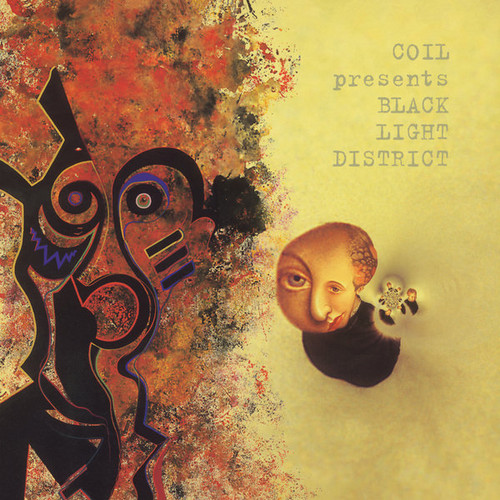
Black Light District: A Thousand Lights In A Darkened Room
*2026 stock* ...At Last, it's here! During the transitional period in which Coil’s primary leadership (Peter “Sleazy” Christopherson and John Balance) reorganized their creative direction by taking on new membership in the group through their inclusion of Drew McDowall, Coil took a drastic turn towards the metaphysical unknown. Employing the subtle handiwork of Coil’s “real life” members, as well as the cleverly guised aliases and spiritual collaborators, the band chose to filter their identity…

The "Bayan Mongol" Variety Group (Эстрадын “Баян Монгол” Чуулга)
*2026 stock* A long-awaited reissue of a unique and only album of a legendary Mongolian ensemble. The self-titled album first time was released on vinyl in 1980 by the Soviet label Melodia and due to a huge demand was urgently re-pressed again in 1981. A musical pearl in the vein of Dos-Mukasan, Firyuza, Soyol Erdene, and Gunesh. Now Ebalunga!!! happy to present the first vinyl reissue of the album and the first time with a correct photo on the front cover. Released in 1980 and 1981 vinyl versio…
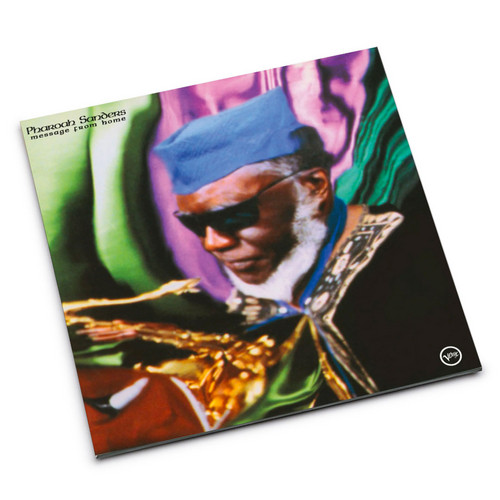
Message From Home
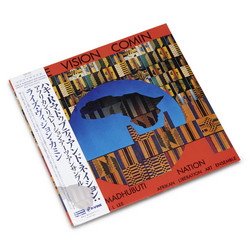
Pharoah Sanders' 1996 Verve album with Bill Laswell producing, Foday Musa Suso, Hamid Drake, Bernie Worrell and Charnett Moffett: hip-hop pulse, Gambian kora and the full-cry tenor on one record. Back on vinyl for the first time since the rare French original, on 180g black vinyl

Exotic Moods
JJ Whitefield dives deep into the golden era of library music, drawing inspiration from KPM, De Wolfe, Bruton Music, CAM and the composers who shaped the genre. Slow Moods presents 14 original instrumentals packed with atmospheric grooves, exotic touches and meticulously layered overdubs. East Asian and East African influences meet locked-in rhythms and sharp arrangements.
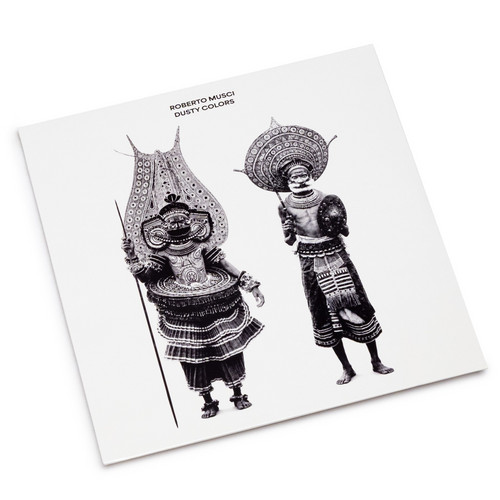
Dusty Colors
*300 copies limited edition* Soave returns with Dusty Colors, an astounding new full-length by Roberto Musci, one of the most enduring and important figures in the movement of Italian Minimalism. Utilizing the composer's longstanding, singular approach to electroacoustic composition that first altered the collective consciousness back in 1984 with the legendary LP, The Loa Of Music - intertwining field recording, samples, and Musci's own instrumental interventions - Dusty Colors draws its primar…
Derma
*150 copies limited edition* Derma emerges from my dialogue with music, space, and silence. It is an immersive sonic experience where every gesture is guided by the here and now—by raw emotion, sensory perception, and the act of creation itself.
Through the use of extended techniques, the performance evolves into a unique, unpredictable path where distinct soundscapes merge into a deep, continuous flow. The core of the sound lies in the tactile relationship between the drum skin and the objects …
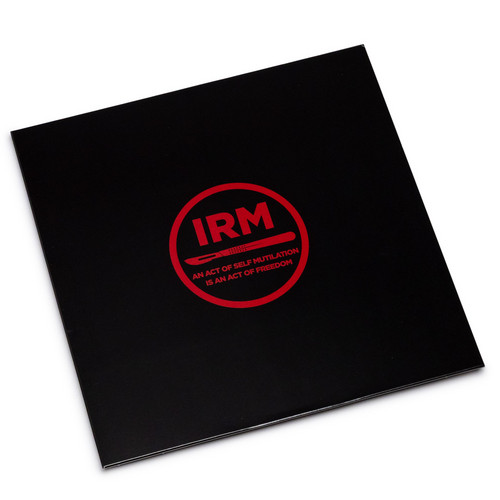
An Act Of Self Mutilation Is An Act Of Freedom
*2026 stock. 200 copies limited edition* IRM presents An Act Of Self Mutilation Is An Act Of Freedom, a work that transforms inner conflict, physical intensity, and emotional extremity into a radical statement of liberation. Released through Phage Tapes, the album inhabits the unstable space between violence and vulnerability, collapse and renewal, destruction and release.
Rather than offering easy catharsis, IRM confronts the listener with an uncompromising sonic language—raw, abrasive, and dee…
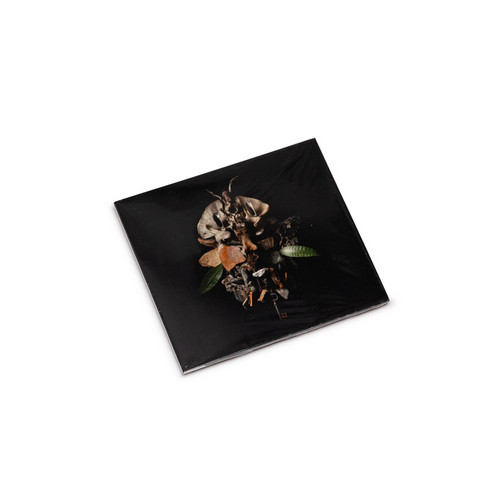
Displaces
On Displaces, sound artist Francesco Fabris fashions a high‑dimensional cartography of memory, hyperobjects and matter, where langspil, biophonies and geophonies are folded into phased time‑space, drifting between suffocation and release in an eerily tactile sonic ecosystem.
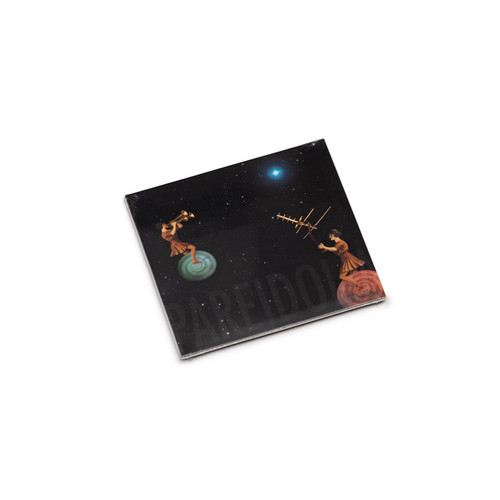
Far Away Worlds
*2026 stock. 150 copies limited edition* Sounding waves between the inner and outer spaces, electromagnetic forces from the breathing ether.
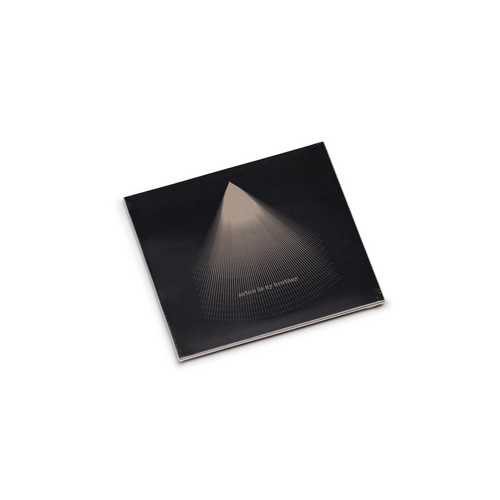
Close Your Eyes, See Black
*150 copies limited edition* "Close your eyes, see black" is a slow descent into the depths, like freediving or deep anesthesia taking us to the sunken center of ourselves. When the darkness is too dense, when visibility is too low, what we had imagined as a privileged observation point becomes a lookout over the void. We must resurface to understand, with the new awareness that we cannot find everything within ourselves. Re-emerged, once again we ask ourselves how far we can see.
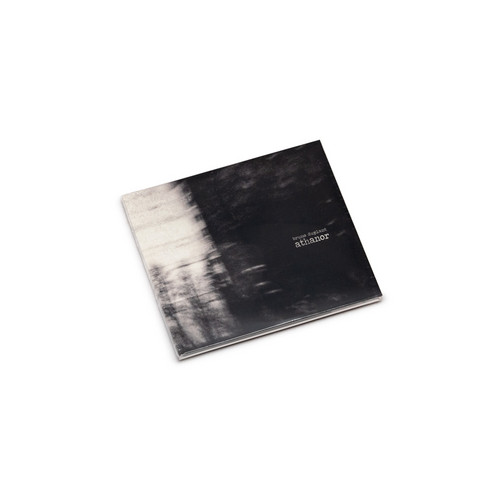
Athanor
*150 copies limited edition* Within him lies a chamber made of attention rather than walls. There, a quiet warmth works without flame, loosening certainties, refining what has settled into form. Nothing is forced; everything is listened into being. A tone, a shadow, a fragment of light; each pass through him as trace rather than possession. The world is not captured but accompanied, allowed to breathe, to fade, to re-emerge altered. In this inward vessel, transformation is a discipline of patien…
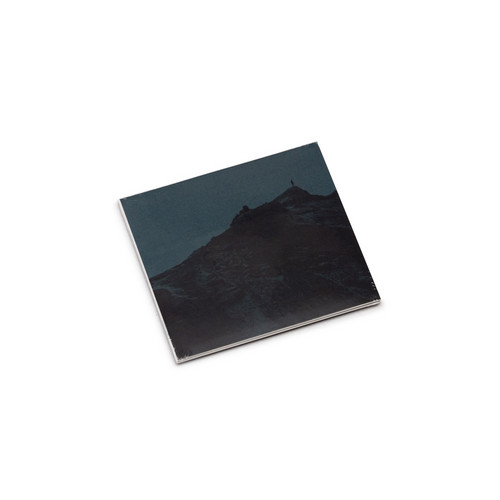
L'Anticristo (O L'Accettazione Del Male)
*2026 stock. 150 copies limited edition* This new album titled "The Antichrist or the Acceptance of Evil" is a project that is particularly important to me. It's a difficult theme, discussing violence, which exists in each of us, and how we make it seem normal by accepting and justifying it. Unfortunately. It is an imaginary story of a person—whether man or woman doesn't matter—who, by experiencing violence, discovers themselves.
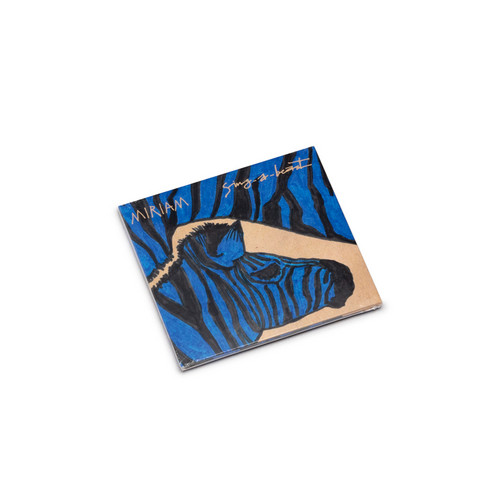
Sing A Beast
*2026 stock. 150 copies limited edition* Sing-A-Beast is the debut solo album of Mariella Modonese following numerous collaborations with various exponents of the Italian research scene. The album contains 10 tracks conceptualized, composed and performed by Miriam and produced by her son Fabrizio Modonese Palumbo (Larsen, ( r ), Blind Cave Salamander,...) portraits of different animals organized into a sort of bizarre bestiary containing short spurts and long elaborate musical suites as well as …