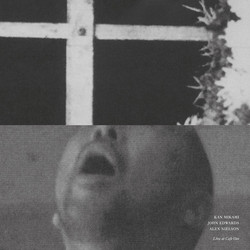
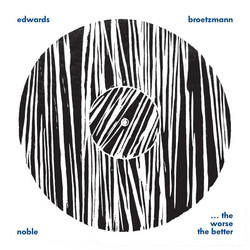
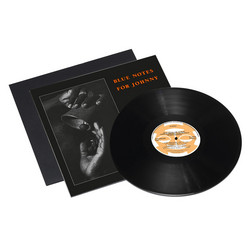
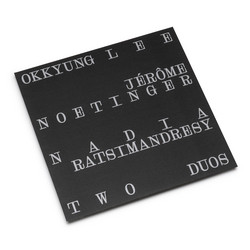
For a while the trio just called itself "Me, you and Sue", which suited them - none of the three has ever seemed especially concerned with naming things. Adam Bohman, Sue Lynch and Crystabel Efemena Riley found each other through London's Horse Improvised Music Club and have been playing together in various rooms for years. This is their first record as a three, and it needed a real title. Lynboril Lisinopril takes Lyn(ch), Bo(hman) and Ril(ey), puts the invented word into a search engine and keeps what comes back: a drug prescribed for high blood pressure. Seymour Wright explains the joke in the liner notes.
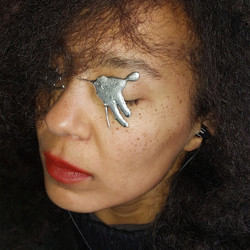
Bohman began recording himself around 1980 on a pair of cheap cassette machines, circulating the tapes through the mail art network while his contemporaries were pressing records for Rough Trade. He has stayed at that edge of British underground music ever since, playing home-made instruments and amplified objects, drawing graphic scores, reading his own texts aloud, working in Morphogenesis, Secluded Bronte and the London Improvisers Orchestra. Lynch plays tenor, clarinet and flute. She came up through Eddie Prévost's weekly workshop, started the Horse in 2013 and also plays with the Sudanese band The Scorpios. Riley arrived from somewhere else entirely - she toured Japan and Europe in the power-noise trio Maria and the Mirrors, using drums, electronics and make-up - and her work since has circled around skins, human and drum, and the idea she calls care and uncare.
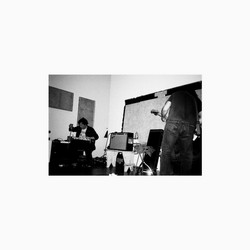
The two pieces were recorded in a single session at the end of January 2025 and they sit at different temperatures. Lynboril stays light for most of its half hour. Riley keeps things moving without ever settling into a beat, Bohman's table of objects supplies a low, constant activity of scrapes and rattles and small metallic noise, and Lynch plays long clear lines over the top, alternating tenor and clarinet. There is no hurry anywhere in it. Every sound gets its time and then makes way for the next.
Lisinopril is louder and more crowded. Riley's patterns begin crossing over each other, Bohman's interventions get sharper and more deliberate, and Lynch stops floating and starts cutting in. The density goes up but nothing turns to mud - you can still hear each player clearly right through to the end.
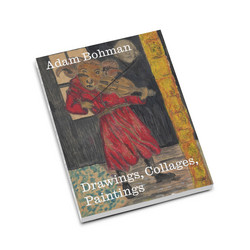
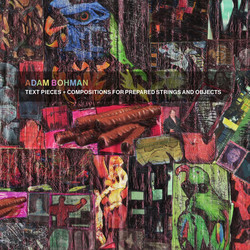
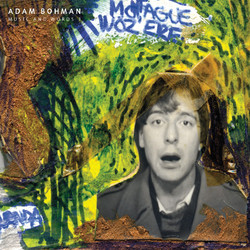
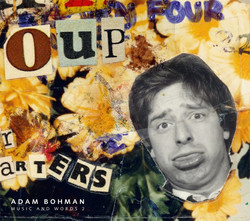
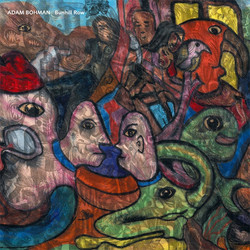
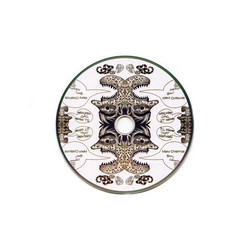
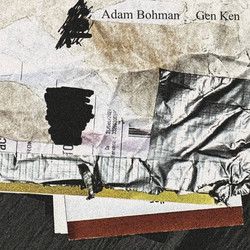
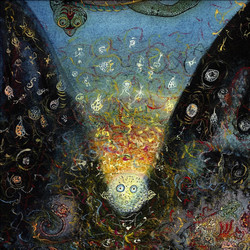
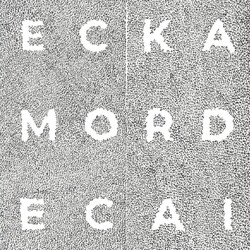
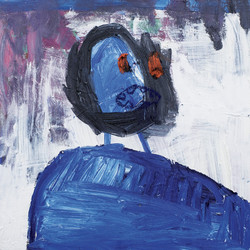
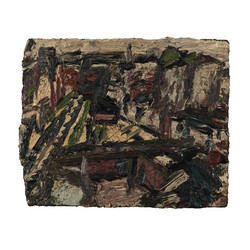
Billy Steiger recorded and mixed it, Taku Unami mastered, and the quietest material has been given plenty of room. Bohman made the cover art, in the same vein as the drawings and collages collected in his recent OTOHON book. Wright, who wrote the notes, works with Riley as xcrswx and plays alongside her and Steiger in Edward George's X-Ray Hex Tet.
Improvised music like this is usually discussed in terms of friction and endurance. There is very little of that here. Three musicians who have known each other a long time, playing generously, at a volume that leaves room to listen. Recommended.