Don Cherry
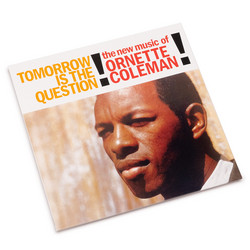
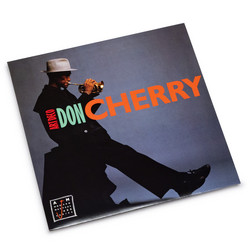
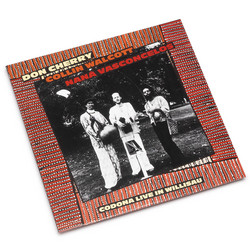
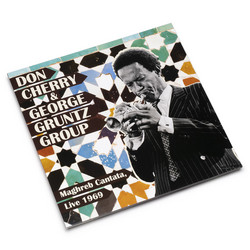
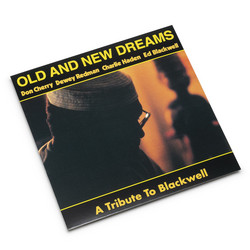
Don Cherry (1936 to 1995) played a pocket trumpet, a toy-sized horn, and used it to lead jazz away from virtuosity and towards something closer to song. Raised in Los Angeles, he was Ornette Coleman's partner in the quartet that recorded The Shape of Jazz to Come (1959) and broke the rules of bebop harmony; by the mid 1960s his own Blue Note albums, Complete Communion above all, were built as long suites of interlocking themes. Then he left. Living in Sweden with the artist Moki Cherry, he studied Indian, Turkish and African music, played flutes and the doussn'gouni, and turned concerts into communal rituals (Organic Music Society, 1972).
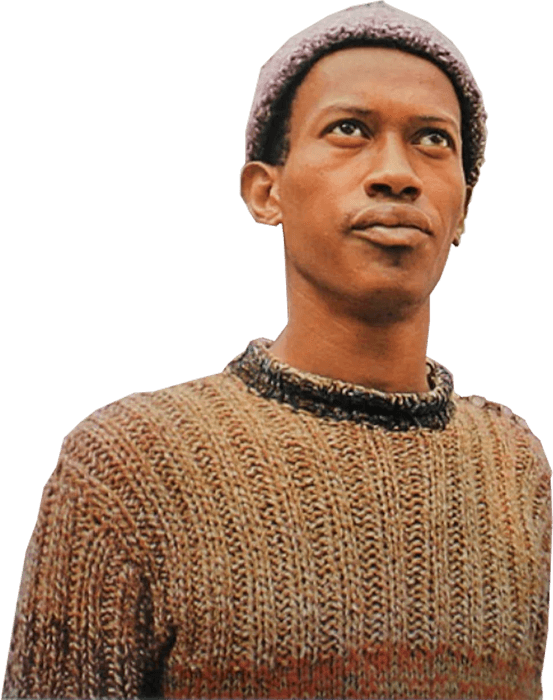
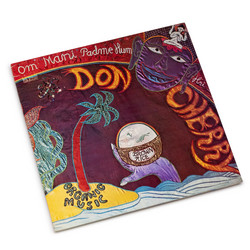
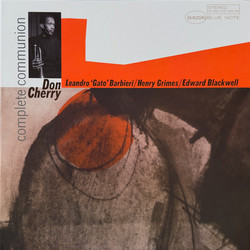
Don Cherry (1936 to 1995) played a pocket trumpet, a toy-sized horn, and used it to lead jazz away from virtuosity and towards something closer to song. Raised in Los Angeles, he was Ornette Coleman's partner in the quartet that recorded The Shape of Jazz to Come (1959) and broke the rules of bebop harmony; by the mid 1960s his own Blue Note albums, Complete Communion above all, were built as long suites of interlocking themes. Then he left. Living in Sweden with the artist Moki Cherry, he studied Indian, Turkish and African music, played flutes and the doussn'gouni, and turned concerts into communal rituals (Organic Music Society, 1972).